Following initial pro-cryptocurrency signals from China and news that the crypto regulatory clarity bill is progressing in the US Senate, the crypto market experienced a short-term surge. BTC joined in on the broader enthusiasm driven by artificial intelligence stocks. As Warsh prepares to assume the chair of the Federal Reserve on Friday, market conditions turned favorable for altcoins such as DOGE, AVAX, SOL, and LINK—at least temporarily. Here’s a look at key targets and recent price action for these top tokens.
Short-term momentum and policy backdrop
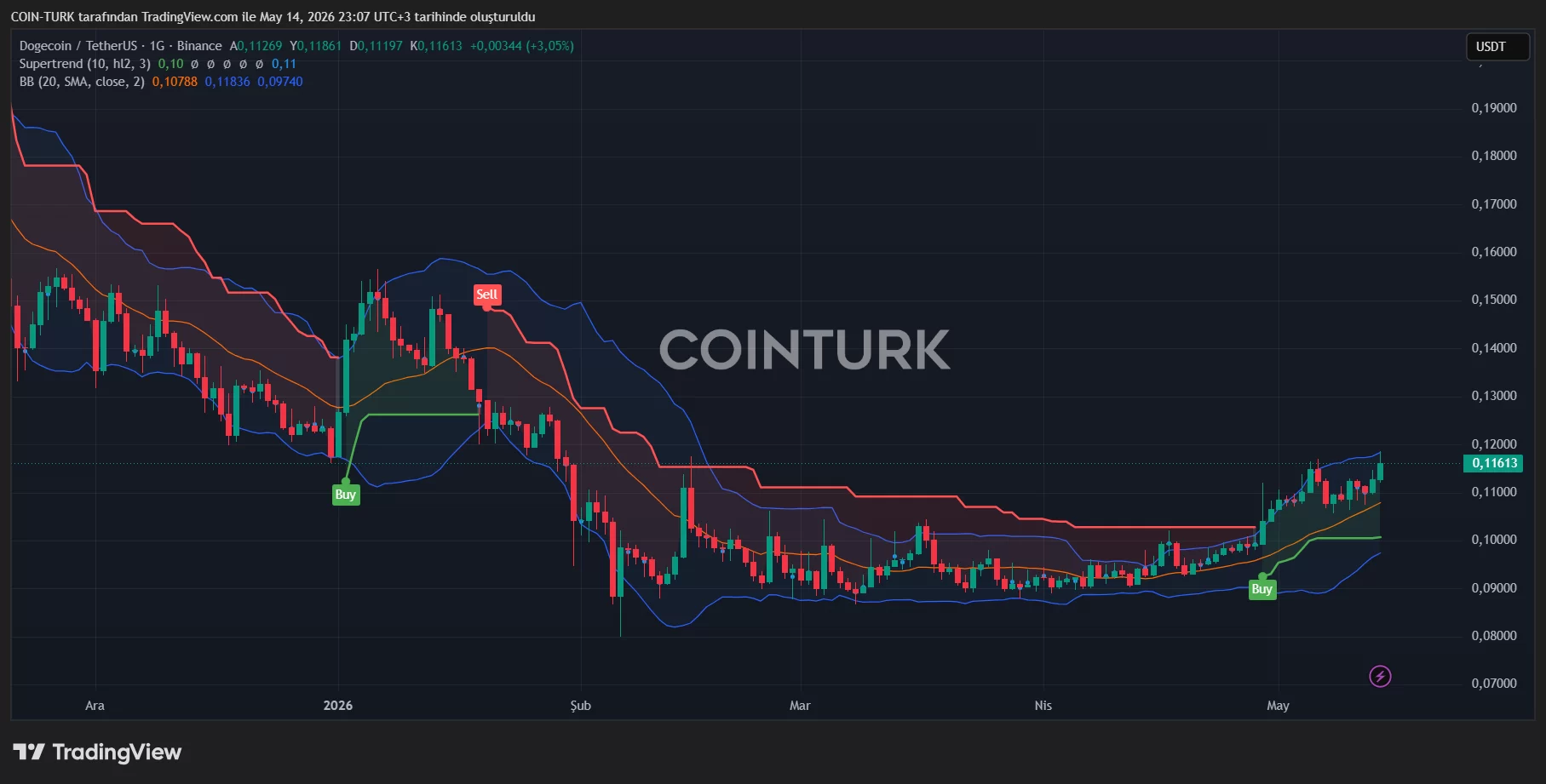
Despite expectations of downward pressure on cryptocurrencies as inflation continues to influence monetary policy over the medium and long term, the short-term outlook is now skewed to the upside. Many crypto assets recorded daily gains of up to 5 percent, reflecting a wave of optimism. As this report was written, DOGE was trading at $0.116.
DOGE and LINK break key levels
A close above $0.114 had previously been flagged as pivotal for DOGE, with $0.117 emerging as a key resistance to watch. If this level is held, the door may open to the $0.121 to $0.129 range. The next phase for DOGE, replicating January’s move, would require converting this zone into a lasting base and targeting $0.156. However, if a correction takes hold, swift retreats to the $0.111 and $0.106 regions may follow.
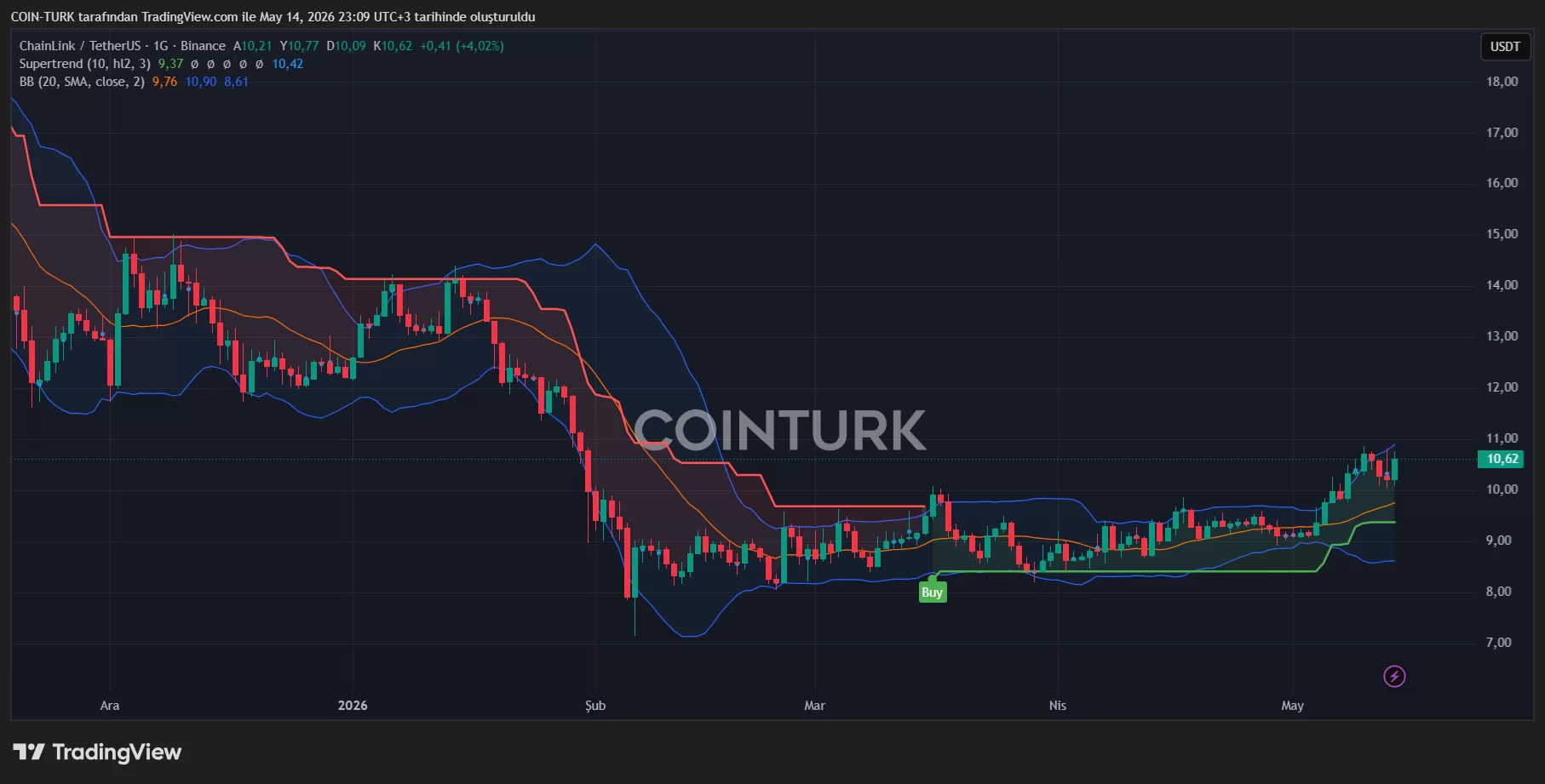
Chainlink’s LINK, despite major partnerships and ongoing industry buzz, has not translated that momentum into price strength. Nevertheless, reclaiming double-digit territory matters. The token previously faced selling pressure around $10.12—which sent it as low as $8.32. Should LINK dip again, this range is key support, while a renewed run could see it recapture support at $11.78 and then challenge resistance at $14.10.
The fundamentals for both DOGE and LINK remain driven by shifts in market sentiment, policy changes, and technical milestones, keeping traders alert to sudden reversals as well as breakouts.
SOL eyes ETF catalyst while AVAX struggles
Solana (SOL) continues to draw attention with growing anticipation around a possible ETF. Weekly inflows have easily surpassed $50 million, with over $10 million of net daily buy-side volume. However, bulls have failed to sustain prices above $98, resulting in profit-taking. As of now, SOL is holding the $92 level, but further declines could see a drop toward $88 and $80 support.
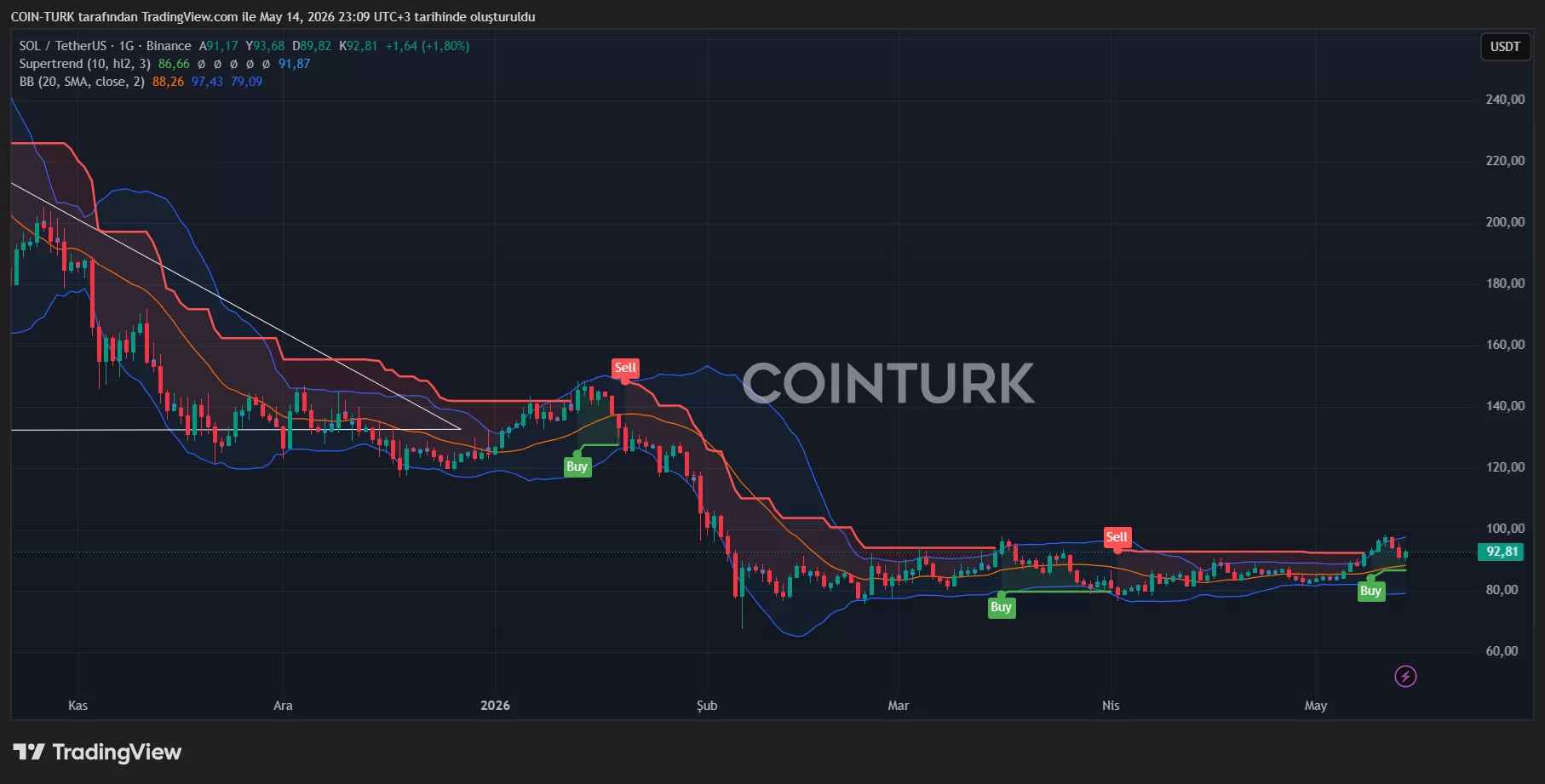
If bullish momentum returns and closes are achieved above $98, SOL has upside potential targeting a $120 peak in the current rally.
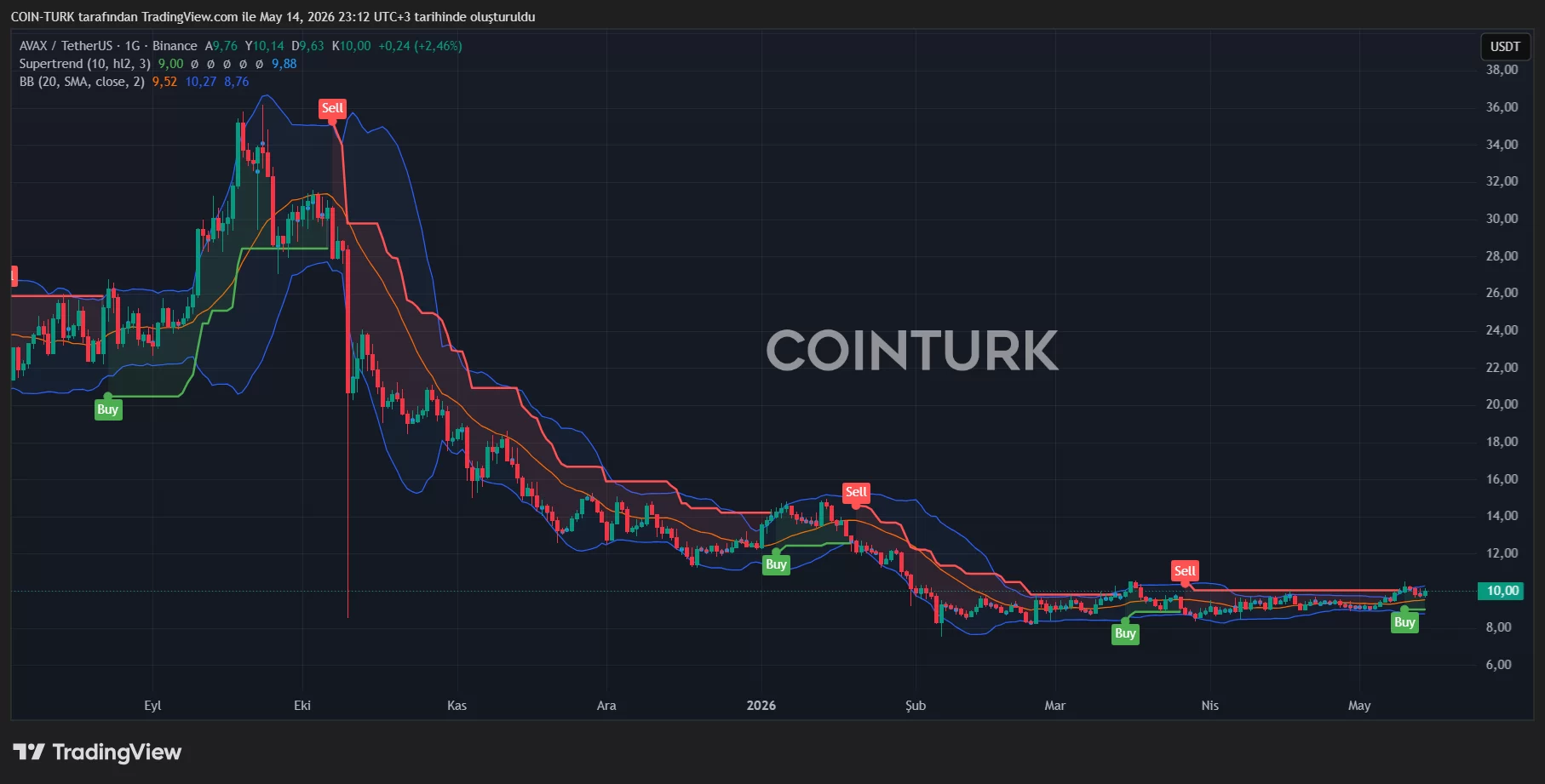
By contrast, AVAX has spent nearly 100 days locked below the $10.50 threshold. Over the past 223 days, it has been beset by constant selling, while other altcoins posted local highs—leaving AVAX stagnant. Without the $8.20 support seen in the last bear market, AVAX could have been at risk of sliding back to its 2020 lows.
Among the main challenges facing AVAX are persistent high token inflation, a comparatively weaker ecosystem than rivals like Solana, competitors drawing away the already tightening liquidity, the emergence of new alternatives, and Ethereum’s steady progress in lowering costs and resolving scaling issues. These factors leave Avalanche at a clear disadvantage in the current environment, unless game-changing applications emerge or it secures major RWA partnerships—neither of which appears imminent. Although anything is possible in crypto and AVAX could revisit $35 if the market surges broadly, waiting for such a move may not fit every investor’s risk approach.