The representation of real-world assets (RWA) on blockchain networks has rapidly emerged as a core focus for the crypto sector. Although the on-chain value of RWA has surged in recent years, this expansion has not fully translated into higher adoption within decentralized finance (DeFi). New research by analyst Tanaka reveals that just around 10 percent of current RWA liquidity is actively employed across DeFi protocols.
Compliance barriers restrict DeFi integration
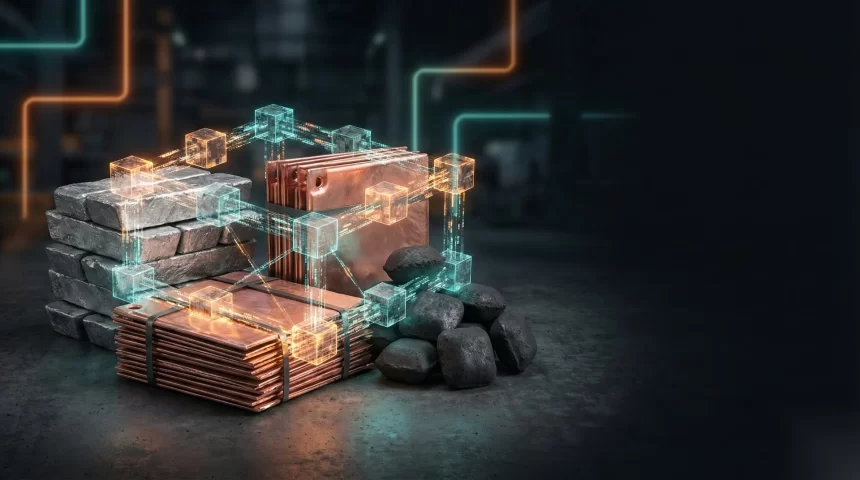
Even as blockchain-based tokenized gold and commodities have reached a combined total value of nearly $7 billion, only $184 million of that is being transacted within decentralized finance applications. Similarly, out of $2.2 billion worth of tokenized equities, only about $78 million is actually circulating in DeFi platforms.
Tanaka’s findings highlight that offerings like tokenized Treasury bills often come with strict compliance requirements, including mandatory know-your-customer (KYC) checks, transfer restrictions, and controls for qualified investor participation. Popular products like BUIDL and OUSG, despite their large assets under management, allow transfers only between whitelisted addresses. This structure prevents users from freely moving these assets through protocols like Aave or Pendle.
Traditional DeFi advocates expected RWAs to serve as crypto collateral. Yet within the current system, although assets may be transferable on-chain, a rigid compliance layer keeps them locked somewhere between classical finance and crypto.
For companies, these restrictions are not necessarily obstacles. In fact, they often seek these features, prioritizing regulatory alignment and secure collateral over the flexibility offered by decentralization.

Solutions for a more open DeFi emerging
Some platforms are now developing RWA products designed for truly permissionless environments from the outset. Ondo’s USDY, for example, recently surpassed $1 billion in total value locked across nine different blockchain networks. With a structure that prioritizes protocol integration, USDY stands out among newer offerings.
Maple Finance’s Syrup and Centrifuge are also making a mark as DeFi-native solutions. Their direct integration into the DeFi landscape is reshaping traditional strategies. Notably, the 4–5 percent low-risk yield provided by tokenized government bonds is reducing the appeal of conventional stablecoin swap cycles on the same platforms.

Meanwhile, recent developments in the US—such as the proposed Clarity Act and potential new SEC exemptions for tokenized equities—suggest DeFi adoption of RWAs may accelerate soon. Experts caution that the trajectory of the regulatory framework in 2025 will be pivotal for the integration of RWAs into DeFi ecosystems.
Mini glossary: RWA (Real World Asset) refers to digital representations of physical or traditional financial assets (such as gold, bonds, or fixed-income instruments) on blockchain networks. This increases liquidity and enables interaction with multiple protocols, paving the way for new financial products.
Gap between RWA tokenization and DeFi use
There remains a significant discrepancy between the scale of asset tokenization and their active usage in DeFi protocols. This gap is particularly pronounced for instruments subject to regulations.
| Asset Type | Total On-Chain Value (USD) | Active in DeFi (USD) |
|---|---|---|
| Tokenized Gold & Commodities | 7,000,000,000 | 184,000,000 |
| Tokenized Equities | 2,200,000,000 | 78,000,000 |