
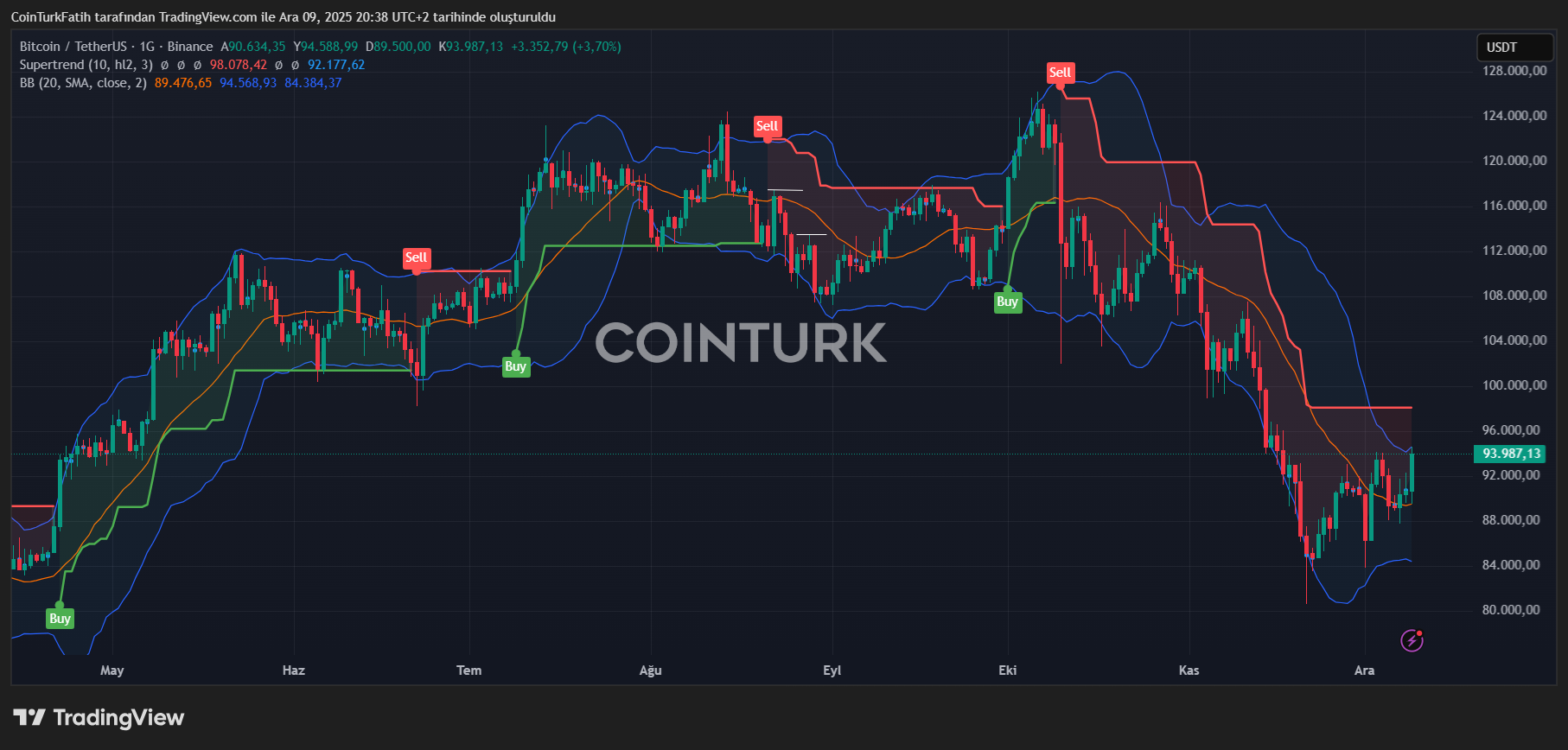
Bitcoin  $83,015 is maintaining a stable position at $94,000, levels not seen in a long time. Recently, a significant development has occurred that could further institutional adoption of cryptocurrencies. The U.S. banking regulator has published a new guideline encouraging the nation’s banks to boldly enter the cryptocurrency business. This move represents a substantial step towards more widespread institutional acceptance of digital currencies.
Latest Developments in Cryptocurrency
The Office of the Comptroller of the Currency (OCC) is a federal entity responsible for the implementation and authorization of laws concerning national banks. As such, the steps it takes regarding cryptocurrencies have a pronounced impact. The latest announcement grants banks the authority to act as intermediaries in cryptocurrency transactions. The newly released guideline is expected to embolden banks to venture into the crypto sphere.
The recent development allows banks to serve as legal intermediaries in transactions between customers and entities like cryptocurrency exchanges through new integrations. Since Trump assumed office, there have been numerous changes benefitting cryptocurrencies, countering the prior Biden administration’s policies implemented by financial regulatory bodies like the OCC, which were unfavorable towards digital currencies. In March, the OCC approved certain crypto activities, overturning an earlier “threatening” guideline that required prior approval for entering cryptocurrency activities. These are among the positive shifts introduced during Trump’s administration.
In conclusion, the OCC’s recent guidelines grant banks a more involved role in the cryptocurrency domain. This positions them to facilitate and perhaps innovate in the digital currency space by providing intermediary services. The changes stand as a testament to the progressive shift in regulatory stance towards cryptocurrencies within traditional financial frameworks, marking a pivotal moment for banks previously reluctant to engage with digital assets.
This development has the potential to reshape the banking landscape by integrating crypto transactions into mainstream banking services. As banks leverage these new permissions, we may see a ripple effect, encouraging broader acceptance and development of crypto-friendly financial environments.
By empowering banks to engage actively with cryptocurrencies, regulators are paving the way for innovation and evolution in banking, aligning financial services with emerging digital trends. The implications of these guidelines could be profound, influencing not only banking operations but also the broader financial market’s relationship with cryptocurrencies.
As this integration develops, it will likely spur further dialogue on how best to accommodate the rapidly evolving world of digital currencies within established financial systems, ensuring both regulatory compliance and market dynamism.