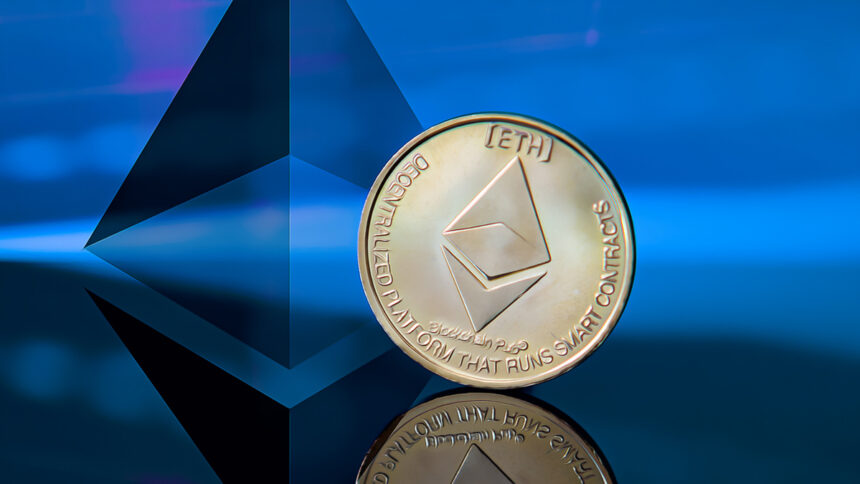
JPMorgan has made a strategic move in the financial services sector by leveraging blockchain technology, specifically Ethereum  $2,511, to create a tokenized money market fund. In a bid to diversify its offerings and tap into the evolving landscape of digital assets, the banking giant announced the launch of this innovative approach, marking its entry into blockchain-based financial services with a focus on efficiency and transparency.
How Does JPMorgan’s Fund System Work?
The fund utilizes blockchain to tokenize money market instruments, essentially converting traditional assets into digital tokens that can be easily tracked and managed on the Ethereum blockchain. By doing this, JPMorgan aims to increase the liquidity and accessibility of money market funds, potentially attracting a broader range of investors. The use of blockchain enhances the speed of transactions, offers reduced settlement times, and aims for increased efficiency compared to traditional methods.
JPMorgan has sought to leverage tokenization for improved operational performance within financial markets. A representative from the bank highlighted this technological integration’s potential,
“Blockchain in finance could provide more efficient solutions for today’s problems.”
What Are the Potential Benefits for Investors?
Investors might see advantages such as lower costs and faster transaction throughput due to the blockchain-based nature of the fund. Additionally, this system might appeal to tech-savvy investors looking for more transparency and control over their investments, as all transactions are recorded on the Ethereum blockchain. Enhanced security features of the blockchain might also protect investors’ interests more robustly.
The tokenized fund structure allows fractional ownership, enabling investors to purchase a portion of financial products, thus diversifying their investments more easily. A JPMorgan spokesperson stated,
“Tokenization allows investors to access a wide array of financial opportunities conveniently.”
JPMorgan’s decision to use Ethereum could shape the future strategies of other financial entities considering blockchain technology adoption. This venture might encourage other major banks to explore similar pathways, potentially transforming how financial products are modeled and distributed.
As institutions experiment with blockchain technology, the implications for the broader financial industry remain significant. These developments could inspire innovation, leading to more widespread adoption of blockchain within capital markets, driven by observed efficiencies and increased investor appeal.