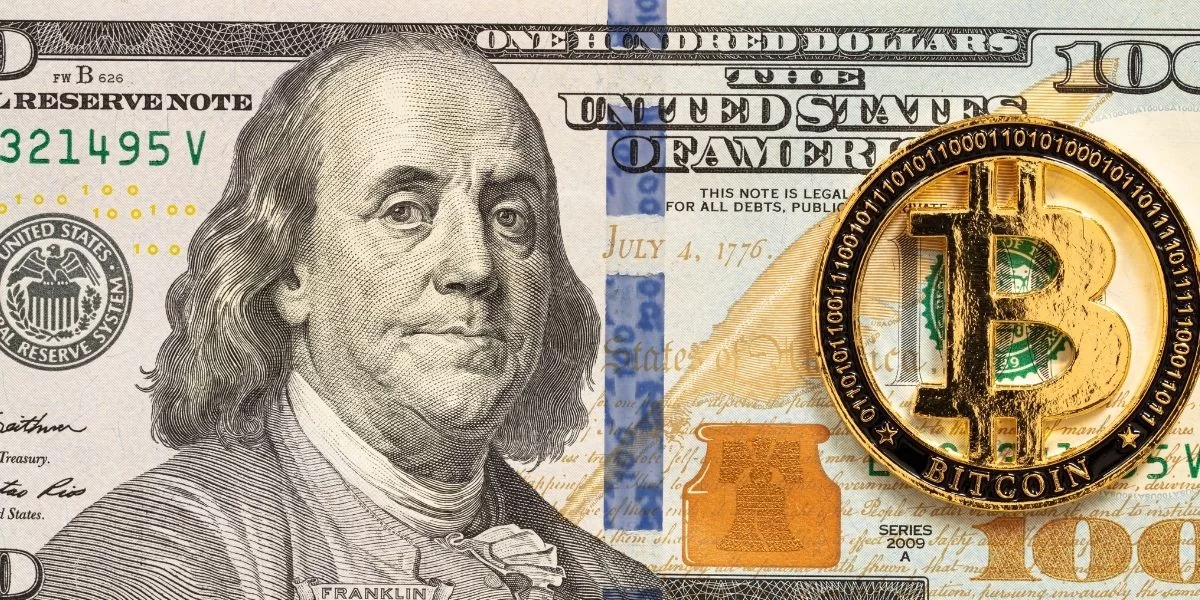
The debate over stablecoin regulation in the United States has taken a new turn, evolving into intense competition between banks and the cryptocurrency sector for consumer deposits. While early discussions focused on the mere existence of stablecoins, the spotlight is now on whether these digital assets should be allowed to offer interest-like rewards to users—and crucially, whether they should be categorized as deposits or regulated through a different framework.
Surging Stablecoin Supply Reshapes Market Dynamics
Recent months have witnessed a remarkable surge in stablecoin markets. According to DeFiLlama, the total supply of stablecoins reached $311.3 billion by January 2026. This explosive growth has moved the policy debate beyond theory, forcing a broader reckoning with how “cash” is distributed in the financial system—and who stands to benefit most from this evolving landscape.
Traditional banks argue that stablecoin models divert capital from their balance sheets into short-term US government bonds and similar assets. As deposits—banking’s main source of low-cost funds—dwindle, the power center in the financial ecosystem begins to shift. Of particular concern are yield-bearing stablecoins, which could present a direct competitive threat to banks’ deposit-based earnings.
GENIUS and CLARITY Acts Reshape Regulatory Landscape
Efforts to regulate stablecoins in the US have taken on new significance amid ongoing legal ambiguity. In July 2025, former President Donald Trump signed the GENIUS Act, which aims to bring stablecoins into a transparent legal framework and imposes strict reserve requirements on issuers. However, Treasury Secretary Scott Bessent has indicated that the act will not go into effect until July 2026.
Following the GENIUS Act, a new legislative proposal known as the CLARITY Act has stirred fresh controversy, particularly regarding stablecoin rewards. Banks are calling for broad prohibitions—not only on issuers, but also on exchanges and fintech companies—against offering rewards to stablecoin users. Draft proposals envision exceptionally narrow exceptions to such bans. Crypto firms, by contrast, argue that rewards are crucial for fostering competition; removing them could further entrench the dominance of banks in the financial marketplace.
Sectored Fault Lines and Competing Outcomes
This regulatory uncertainty has also exposed deep divisions within the industry itself. Coinbase CEO Brian Armstrong has voiced opposition to the current legislative drafts, objecting to provisions that restrict stablecoin rewards. This disagreement has reportedly contributed to delays in the Senate Banking Committee’s work. On the other hand, BitGo CEO Mike Belshe has called the GENIUS Act debates unnecessarily protracted, pointing out the urgent need for regulatory clarity regarding market structure.
If no consensus emerges from these debates, three main scenarios could unfold. Under the first, strict prohibitions on rewards would see stablecoin usage expand mainly for payments and transfers, potentially encouraging traditional finance to adopt stablecoin technology more widely. Visa has already reported processing $3.5 billion in stablecoin transactions in November 2025, offering USDC-based solutions to American institutions.
A second possible outcome envisions a compromise between banks and crypto firms, setting defined limits on rewards. In this scenario, incentives could be permitted for spending and transferring funds, but not for merely holding stablecoins. This would likely strengthen large platforms with significant resources and user bases.
The third scenario foresees an ongoing stalemate, with continued market access to stablecoin rewards and a growing divergence in interest rates hastening the outflow of deposits from banks. Such trends could eventually prompt a forceful policy response as authorities move to address potential systemic risks.