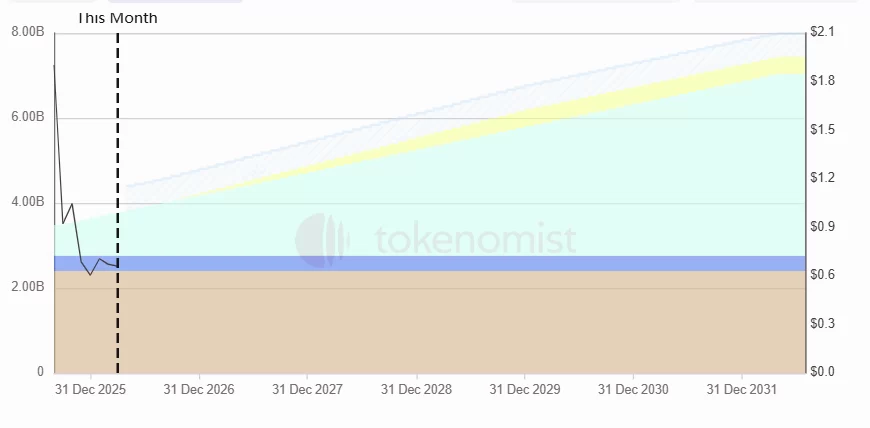
Global markets were quiet today due to local holiday closures, but the crypto sector remained fixated on news from the Middle East after Iran reportedly shot down an F-15 fighter jet. This ongoing geopolitical tension has kept the spotlight on crypto assets, especially as investors gauge potential market responses. With Bitcoin still unable to break above the $67,000 mark, traders are closely watching developments not just in mainstream coins, but also among rising decentralized exchange (DEX) platforms. In particular, two emerging tokens―Hyperliquid (HYPE) and Aster Coin―have been at the center of attention, prompting investors to reevaluate their outlook on decentralized finance.
HYPE navigates volatility amid geopolitical risk
Despite the chaos of recent conflicts and overall market unease, HYPE Coin managed to distinguish itself in March, surging as high as $43, boosted by the strength of commodity derivatives. This significant rally fueled optimism that the coin might reclaim its all-time high in 2025. However, the persistent headlines around military clashes and broader risk-off sentiment have moderated buying enthusiasm, with investors growing increasingly inclined to lock in profits whenever the market pulls back.
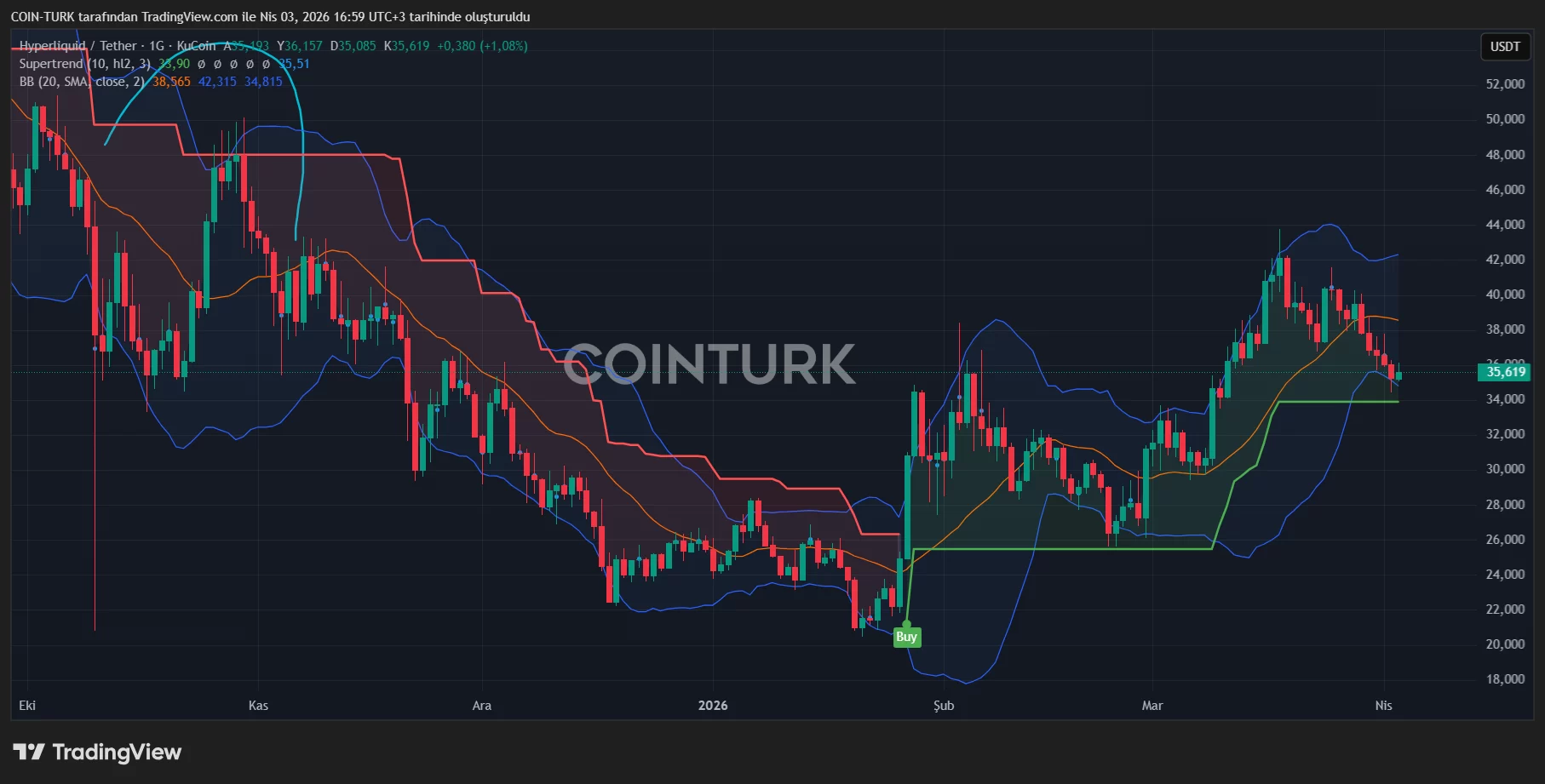
Currently, HYPE Coin stands at a critical decision point. Should it lose the $35 support level, an ongoing 10-day decline could gain momentum, potentially pushing the price down to $31. If selling pressure persists, $28.20 is expected to act as the next key support. In the near term, news flow remains somewhat favorable to crypto markets, suggesting HYPE could benefit either from a surge in risk appetite or renewed volatility in commodity markets. If market sentiment turns positive, demand could accelerate; alternatively, increased protocol revenues from commodity trading might spark another rally similar to previous months.
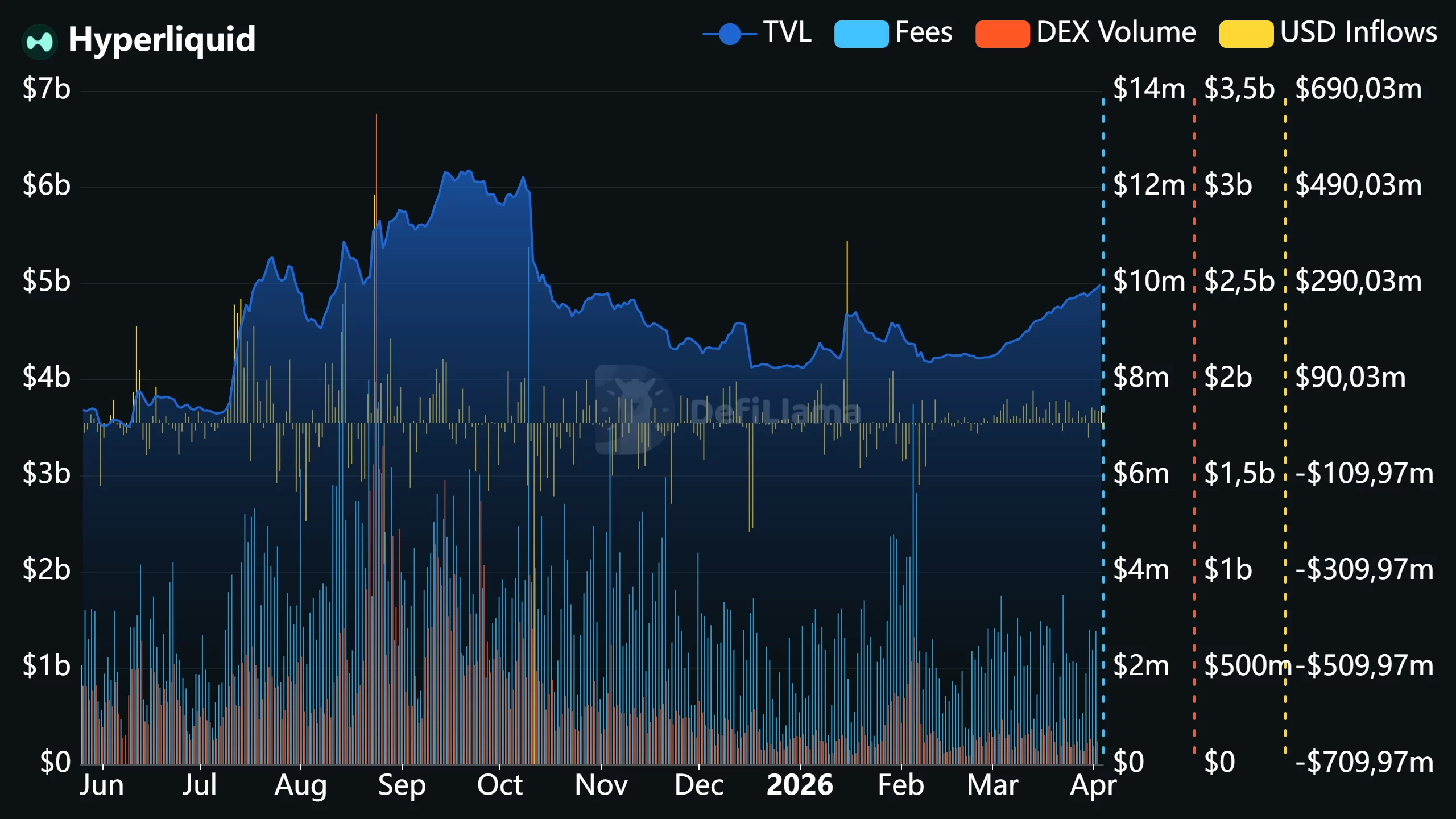
While dollar inflows into the Hyperliquid protocol have slowed, its total value locked (TVL) figures remain robust compared to competitors. Over the last 30 days, protocol fees exceeded $66 million, and with cumulative earnings of approximately $1.2 billion, the platform is widely seen as resilient. In summary, HYPE Coin’s upward trajectory appears fundamentally anchored in protocol performance rather than speculative hype, underpinning its current resilient stance.
Aster faces mounting pressure as protocol outflows grow
A different picture emerges for Aster Coin. Its price chart has seen a nearly continuous decline for sixteen days, with the token sinking to its lowest level since February 11. In March, the price briefly challenged resistance at $0.63, but persistent bearish sentiment in broader crypto markets has weighed heavily. Additionally, controversies among prominent exchanges and the resulting shift in community support have notably cooled enthusiasm for Aster.
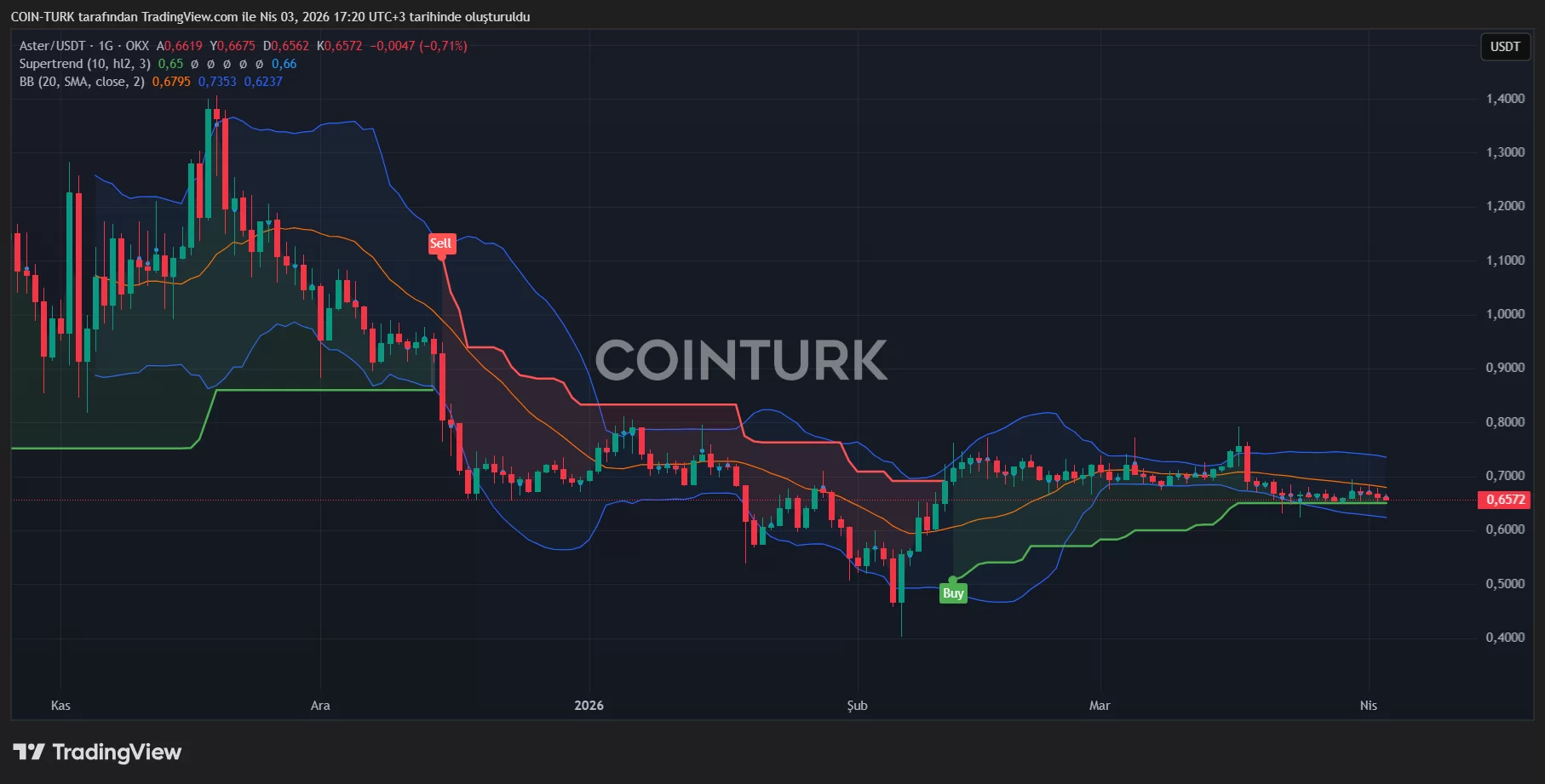
For now, Aster is managing to hold its ground around the $0.65 support level. However, if the $0.63 floor is breached again, analysts warn that the token could slide toward $0.558 in the short term, intensifying concerns for holders.
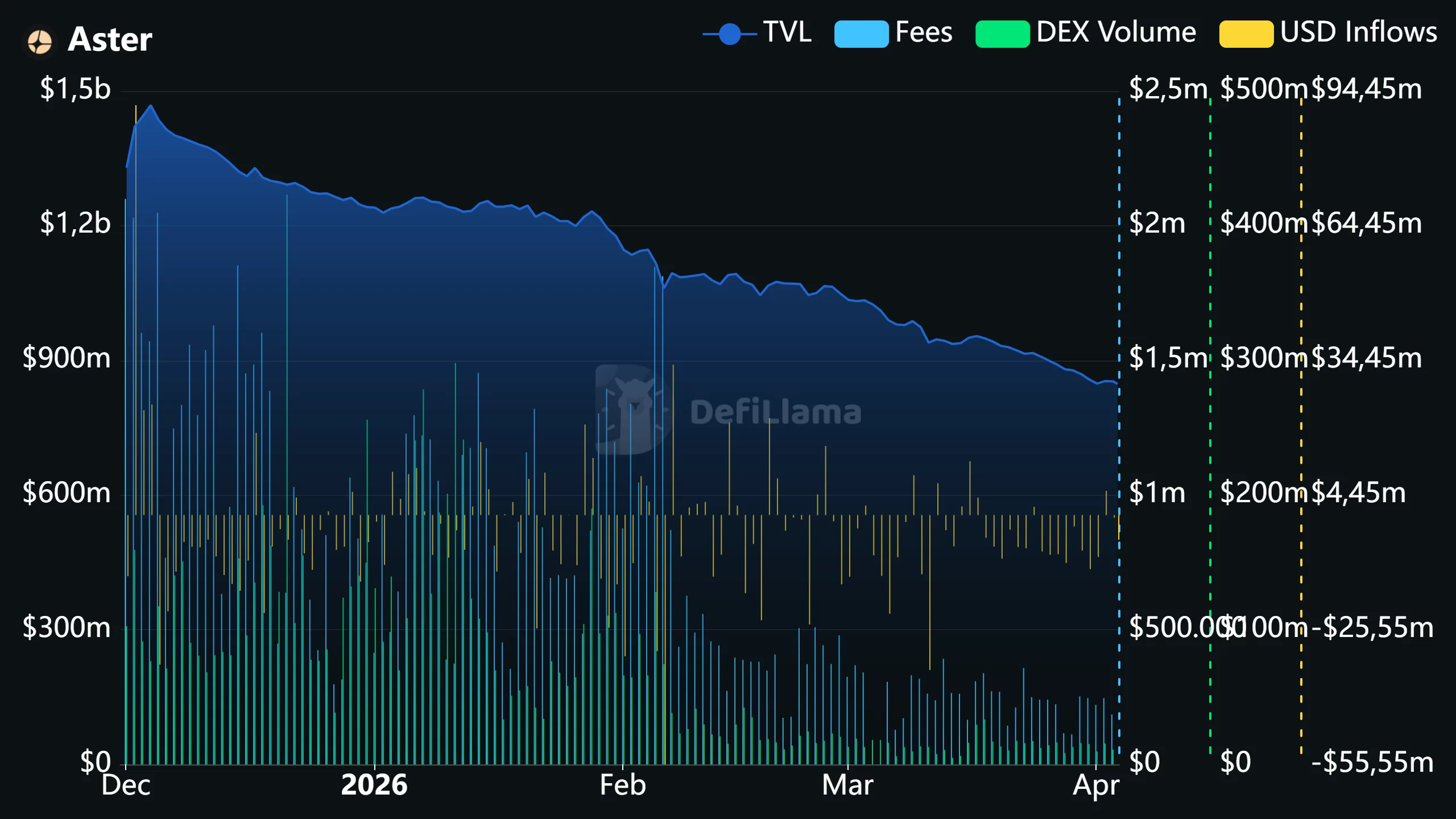
Beyond price action, Aster’s fundamental metrics are also troubling. Recent data indicate that outflows from the protocol have accelerated throughout March, resulting in a steady loss of both users and capital. With the protocol visibly shrinking, market participants expect that the downward pressure on Aster Coin could intensify if current trends persist. The decreasing total value locked on the network serves as a warning for long-term investors, while the token’s lock-up unlock calendar shows $29.7 million worth of supply scheduled for release within a month. Monthly protocol income has slipped to $6 million, raising doubts about the strength of future buyback activity.