
Over $400 million has flowed into Bitcoin ETF products, signaling renewed appetite among institutional investors. For the global markets, the critical Iran-related tensions now appear to be under control. At press time, International Monetary Fund (IMF) Managing Director Kristalina Georgieva was making key statements regarding inflation.
IMF outlines ongoing economic risks
Both the United States and Iran recognize that a continuation of the conflict would only escalate their losses, and both nations now seem more willing to negotiate. This willingness has helped keep oil prices below $100 per barrel. However, it is essential to fully grasp the risks, as supply issues that could rapidly accelerate global inflation remain at the forefront of the IMF Director’s concerns.
Some of the most significant highlights from Georgieva’s speech included a cautious outlook on how ongoing conflicts could disrupt key supply chains and impact economies around the world.
“If oil prices remain high, we should brace for tough times. So far, many countries have refrained from broad, untargeted tax cuts, energy subsidies, and price controls. Such generalized measures, when adopted, only prolong the pains caused by high prices.
We are worried about the physical disruptions to supply chains caused by the conflict in the Middle East. Shortages are emerging across Asia in oil, gas, naphtha, helium, and other commodities.
To central banks with high credibility, we advise emphasizing price stability as their priority, but without acting hastily.
Short-term inflation expectations are trending upward in both the US and the EU, although long-term expectations remain firmly anchored.
We are concerned about the risk of inflation spilling over into food prices if fertilizer supplies do not resume soon and at reasonable prices. March proved to be a challenging month for the economy; April is already set to be even tougher. The energy shock will likely prompt further demand-curbing measures.”
QCP Capital’s cautious crypto outlook
Analysts have highlighted a recent divergence in market behavior. While Bitcoin and other risk assets posted substantial gains, long-term interest rates were largely unchanged. Optimism about peace has fueled hopes of lower inflation, which would typically drive bond markets, but this response did not materialize. With oil prices declining and 10-year bond yields barely moving, QCP Capital warned that the current rally could be short-lived.
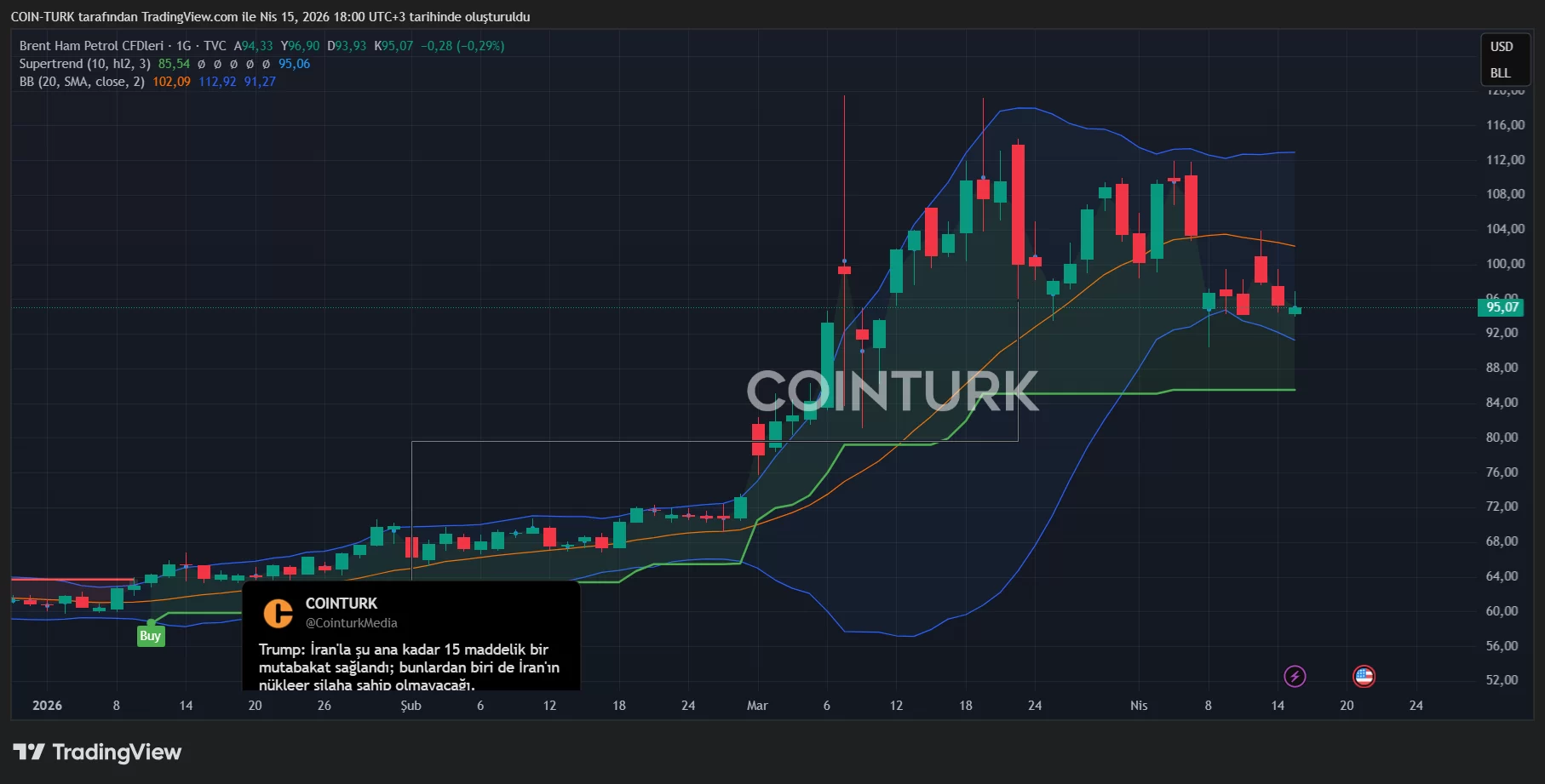
“The core issue is uranium enrichment. Iran continues enriching uranium to 60% purity, while the US wants levels well below 20%. This gap can’t be bridged merely with an agreement headline—it would require a concession from Tehran, which they haven’t indicated they’re willing to offer. Previous ceasefires lasted weeks, but enrichment has remained unresolved since 2015. Markets are pricing in peace, while the deeper risk persists.”
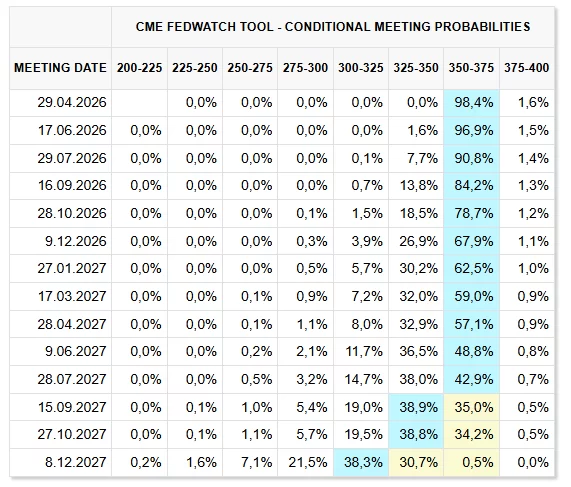
Analysts also noted that, unlike spot and futures markets, options markets have yet to confirm a decisive breakout. The defensive positioning in options, according to experts, should be viewed as a further warning sign.
“The overall trajectory hasn’t changed. After the market repriced expectations in response to the oil shock, the Fed remains stuck, with net rate cuts for the year hovering near zero and liquidity conditions staying tight. What we’re witnessing is a market relief rally due to geopolitical developments, not a shift in macroeconomic regime. Last week was about easing the blockade; this week the question is whether investors should ease off on their optimism.”
The twin influences of geopolitical tension and economic policy uncertainty are maintaining market volatility. Even as relief rallies spark hope, the underlying challenges—especially surrounding inflation, energy, and supply chains—persist and keep investors cautious.
Amid these shifting currents, institutional demand for Bitcoin ETFs rises even as experts preach vigilance. The coming weeks are likely to remain turbulent as major financial players and policymakers respond to developments in both crypto and traditional markets.
Ultimately, the headlines reflect renewed institutional confidence in risk assets such as Bitcoin, even as global financial authorities urge careful navigation through a period fraught with political and economic risks. The next decisive moves will depend on how underlying conflicts and central bank strategies evolve.