Since Trump’s presidency, developments outside the crypto world have had an outsized impact on cryptocurrency markets. For over a year, discussions around tariffs dominated the agenda, and now, escalating tensions with Iran are turning investors into geopolitical spectators. Volatility in Bitcoin prices continues with each new statement from global leaders.
US-Iran standoff intensifies in the Gulf
Early yesterday, Trump expressed his satisfaction that the strait was open, noting that Chinese President Xi also welcomed the news. Trump hinted that major breakthroughs had been achieved regarding the nuclear issue, suggesting a solution might be close. However, he later warned that unless a deal was reached by Wednesday, the ceasefire might not be extended and the blockade would remain in place. Negotiations between the parties were supposed to resume over the weekend, but that failed to materialize.
Instead, the UK Maritime Trade Operations (UKMTO) reported an attack on a ship 25 nautical miles northeast of Oman. Iranian Vice President Aref asserted that Iran was solely responsible for managing the strategically vital strait.
“Either our rights are recognized at the negotiating table, or we enter the battlefield,” declared Aref, underscoring Iran’s firm stance.
Following the UKMTO report, US officials stated that the Iranian Revolutionary Guard Corps (IRGC) had carried out at least three attacks on commercial vessels since early Saturday. The situation has rapidly escalated, with both sides exchanging heated rhetoric and displaying no signs of backing down.

According to Iran’s Supreme National Security Council, “Iran is determined to control all traffic through the Strait of Hormuz until the war is definitively over and lasting peace is restored to the region. As long as our adversaries maintain their naval blockade, Iran will see it as a breach of the ceasefire and will not allow the conditional and limited reopening of the Strait.”
What happened next? Trump accused Iran of again trying to shut the strait, adding, “We’re having very good talks; Iran cannot blackmail the United States.” The narrative has been shifting almost hourly, with Trump sounded optimistic on Friday, only for the entire script to flip by Saturday.
The Wall Street Journal reported, citing inside sources, that after attacks on Indian-flagged ships, the US was preparing to board Iran-linked vessels. Since Iran has been using a “shadow fleet” to maintain oil trade, Trump’s administration aims to disrupt these operations and cut off financial flows.
Meanwhile, the IRGC Navy issued statements contradicting Trump’s earlier remarks.
“Approaching the Strait of Hormuz will be regarded as cooperation with the enemy. Ship owners and crews must heed IRGC Navy warnings. Trump’s statements on the Strait carry no validity. Any vessels ignoring these warnings will be targeted. As of Saturday afternoon, the strait is closed until the US blockade against Iranian ships ends. If the US Navy attacks Iranian ships, they will suffer severe consequences.”
While officials like Ghalibaf and Arakchi offered more constructive messages, Iran’s military wing was on the verge of denying the very existence of negotiations, illustrating a deepening rift within Iran’s power structure.
Market impact: Crypto and oil price jitters
So, where do things stand now? Arakchi announced the commercial traffic through the strait would remain open until the ceasefire ends. Around the same time, Mojtaba Khamenei insisted Iran’s navy was “ready for war,” raising the stakes further. Ghalibaf emphasized that although there’s been progress with the US, significant hurdles remain, adding:
“We have made progress in negotiations with the US, but there is still considerable distance left. We need guarantees that the US or the Zionist entity will not launch another war against Iran. Both negotiating teams now understand each other pragmatically, and we control all traffic through the strait. If the US blockade continues, passage through the Strait of Hormuz will be restricted.”
CNN reported that talks were scheduled to begin Monday in Islamabad, yet there was confusion throughout the week as officials debated the timeline. Iran’s military side hadn’t confirmed a second round of talks, while other sources suggested discussions could happen as soon as tomorrow. Trump’s reference to “regime change” possibly signals an increased divide between Iran’s military and political leadership, with the ultimate power said to reside with Khamenei and the military establishment.
Which faction will prevail? The world awaits the outcome by Wednesday. Should Arakchi and Ghalibaf revive the negotiation table and strike a deal with the US, the military’s provocations will lose relevance. However, the internal balance of power in Iran remains precarious. Despite significant losses, Iran’s military has yet to launch real reprisals beyond boosting oil prices.
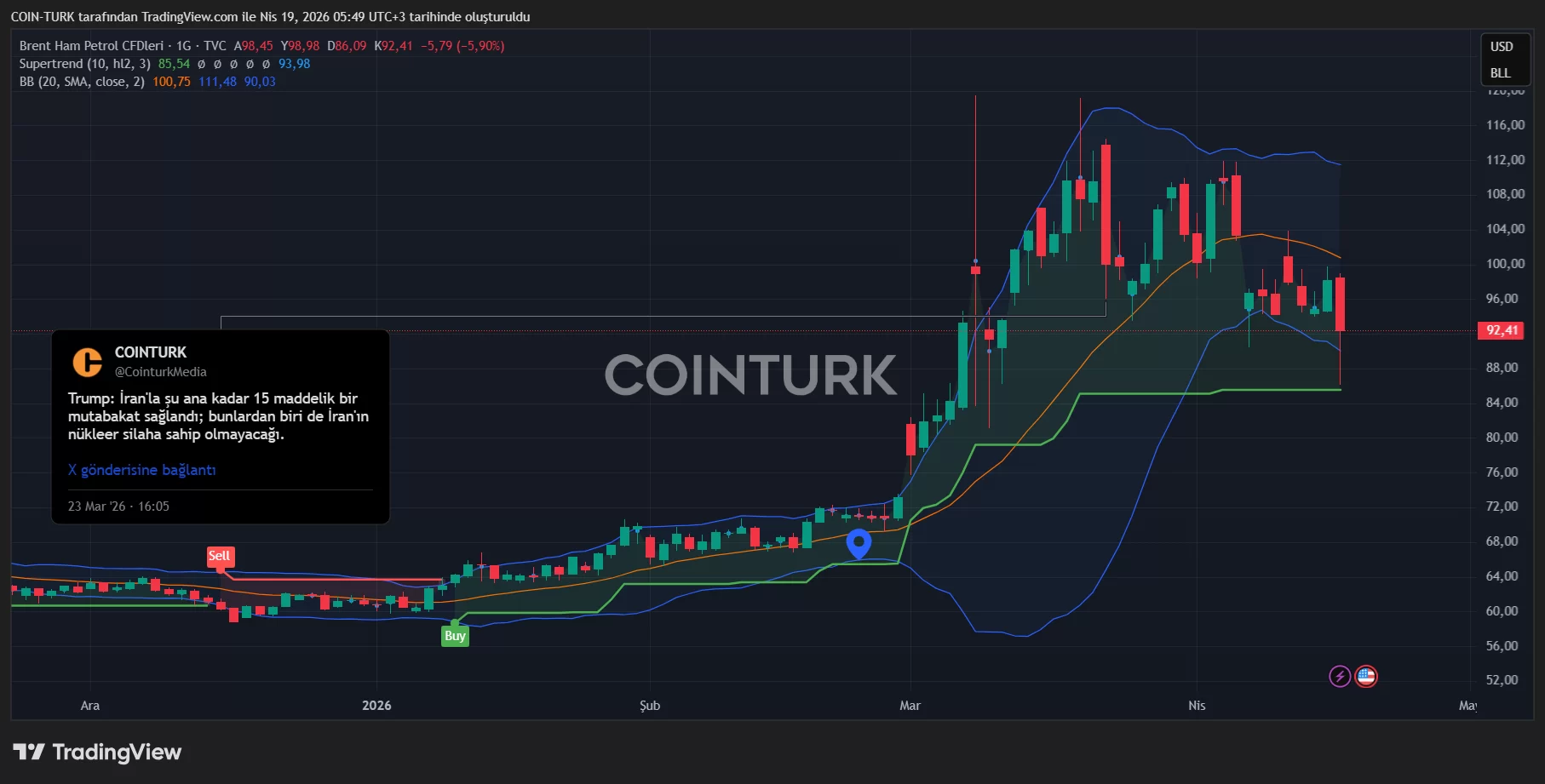
For cryptocurrencies, statements from the Arakchi and Ghalibaf side will be especially crucial in the coming hours. So far, markets seem relatively unfazed by the military’s threats about the prospect of renewed war, something reflected in oil’s stability near the $90 mark.
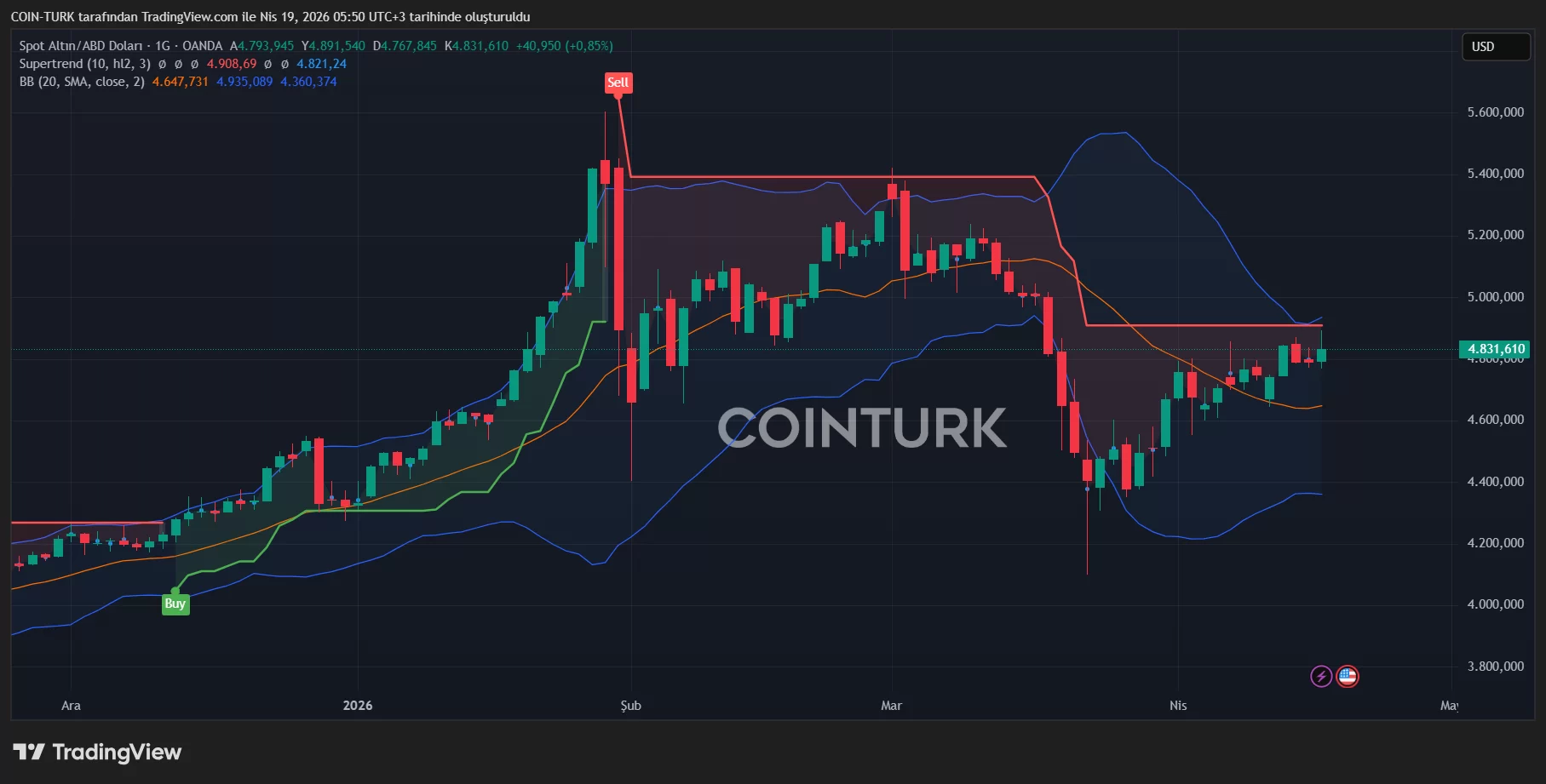
Gold prices are likewise holding steady, underscoring the market’s cautious wait-and-see approach amid these high-stakes geopolitical tensions.