The United Arab Emirates (UAE) has announced, effective May 1, that it is leaving OPEC+ and OPEC, a decision that immediately sent ripples across global energy and financial markets. This move grants the UAE the ability to produce and export oil without the quota restrictions previously imposed by the alliance. While increased supply from the UAE is expected to push oil prices down, there is growing concern that other major oil exporters may follow suit, risking instability in global oil supply.
Impact on US Financial Markets
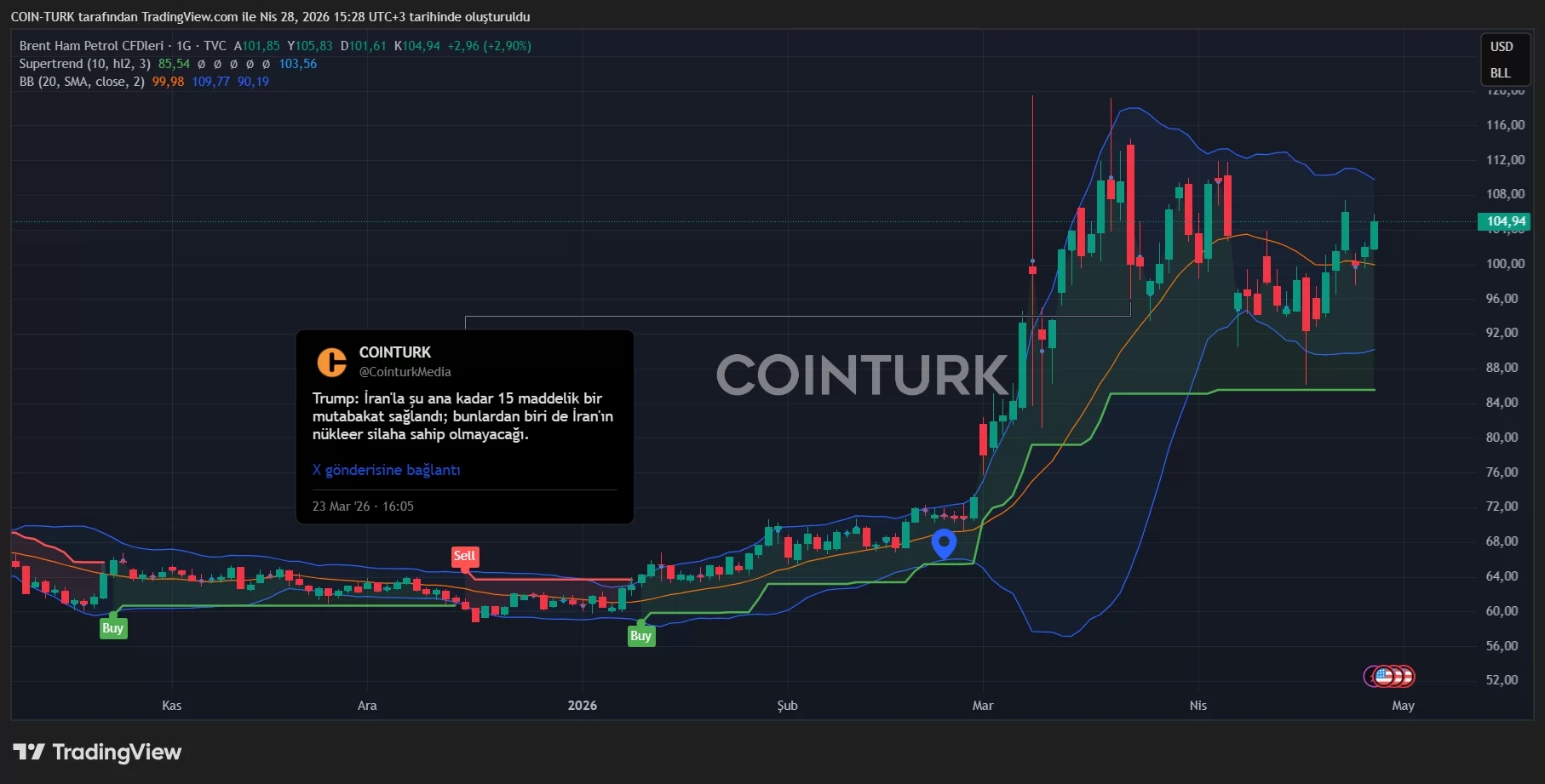
The UAE’s departure means it will no longer coordinate oil exports with OPEC, enabling the country to ship as much oil as it wants. Traditionally, OPEC and OPEC+ have controlled oil prices by adjusting production levels among member states. The UAE’s move could prompt similar decisions by other key producers, challenging this framework. Oil prices slipped below $105 per barrel and are expected to fluctuate further in the coming hours as markets digest the news.
Addressing the development, the UAE Minister of Energy explained:
“This decision comes after a careful review of our strategies in the energy and oil sectors, as well as other domains. We believe that now is the right moment to reevaluate our policy direction. The UAE is acting at the right time, taking into account constraints in the Strait without significantly impacting the market.
The UAE has long been a member of OPEC and OPEC+, but we foresee a growing global need for energy in the future. This is a sovereign national decision grounded in the UAE’s long-term strategic and economic vision. It allows us to work with our partners and investors to meet future global demands for crude, petrochemicals, and gas.”
Just before this surprise decision, Brent crude climbed above $111 per barrel, marking a three-week high. In parallel, after the Bank of Japan kept its policy rate unchanged in a split decision, the USD/JPY currency pair rose by as much as 0.3 percent to 159.69, currently hovering around 159.48. Should energy flow toward Asia continue to face disruptions, renewed debate over the carry trade may surface.
Meanwhile, consumer inflation expectations in the eurozone jumped sharply in March, creating fresh concerns for the European Central Bank as it gauges the fallout from heightened tensions in Iran. With inflation on the rise, interest rate hikes are once again back on the table for upcoming ECB meetings.
Crypto Markets and Economic Calendar
At 5:00 p.m., the US Conference Board will release its Consumer Confidence report, which is seen as a key indicator of how ongoing conflicts are affecting consumers. After the market closes, investors will be watching for earnings from major companies such as Visa and Starbucks. Later tonight, former President Donald Trump and First Lady Melania are set to attend a ceremony with King Charles III and Queen Camilla, and their statements may draw further attention.
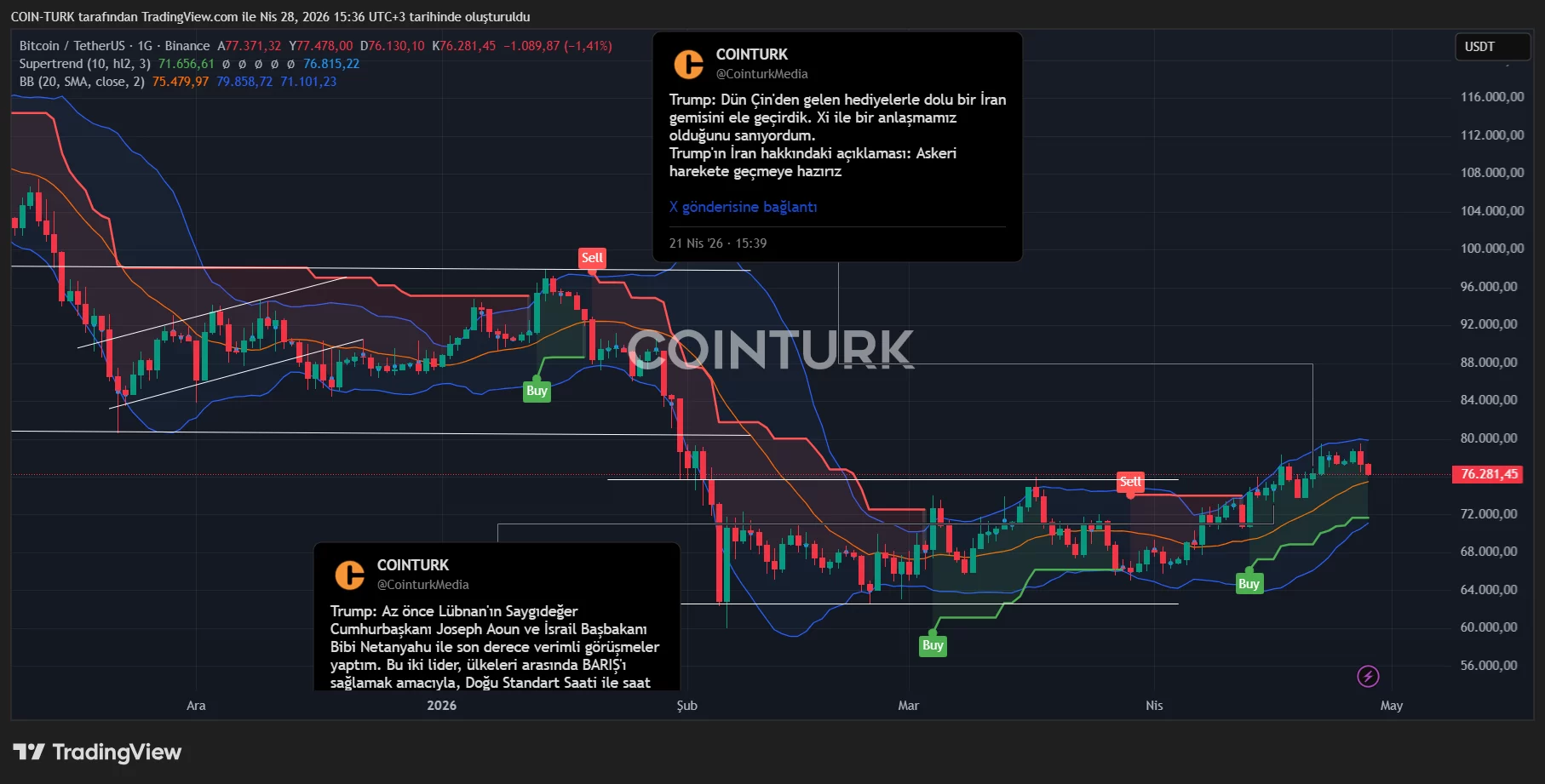
BTC attempted to approach the $75,500 range as discussed previously, but failed to reach that resistance level. There has been a modest recovery on the hourly charts; however, market sentiment remains fragile given tomorrow’s crucial interest rate decision and the continued uncertainty with Iran. The UAE’s exit from OPEC could rapidly impact oil prices, and if other major producers like Saudi Arabia follow, a swift downturn in oil may trigger a surge in cryptocurrencies.