
Throughout the week, reports surfaced that Iran was examining the latest 14-point proposal sent by the United States. This speculation kept market volatility in check, with even limited U.S. military action largely overlooked by traders. However, according to The Wall Street Journal (WSJ), Iran’s official response remains unchanged.
Fresh insights into Iran’s response
WSJ obtained details of Iran’s counterproposal, revealing that Tehran has not softened its position. The content of the reply closely mirrors Iran’s stance from earlier in April. The U.S. had demanded Iran halt uranium enrichment for twenty years, but Tehran rejected this condition outright. Similarly, requests to fully shut down or decommission nuclear facilities were also declined by Iran.
According to WSJ, the latest Iranian reply omits any pledges regarding the future of its nuclear program or uranium stockpile—key U.S. demands. Nonetheless, Iran did offer some initiatives. In exchange for a ceasefire and the lifting of the U.S. blockade, Iran proposed a phased reopening of the Strait of Hormuz to commercial shipping. Additionally, discussions on nuclear matters would take place within 30 days, with a partial dilution of enriched uranium and shipping the remainder to a third country.
Iran has also requested guarantees for the return of uranium sent abroad if negotiations fail or the U.S. withdraws from the deal. Pakistani authorities recently confirmed receipt of Iran’s response to the U.S. offer and relayed it to relevant officials, consistent with WSJ’s account.
Tasnim, a media outlet based in Iran, highlighted the following key points in its report:
The Iranian proposal stresses the need to end warfare on all fronts. It emphasizes that any interim deal should be followed by immediately lifting the naval blockade. Furthermore, Iran’s draft underscores the necessity of removing U.S. sanctions as a prerequisite for negotiations.
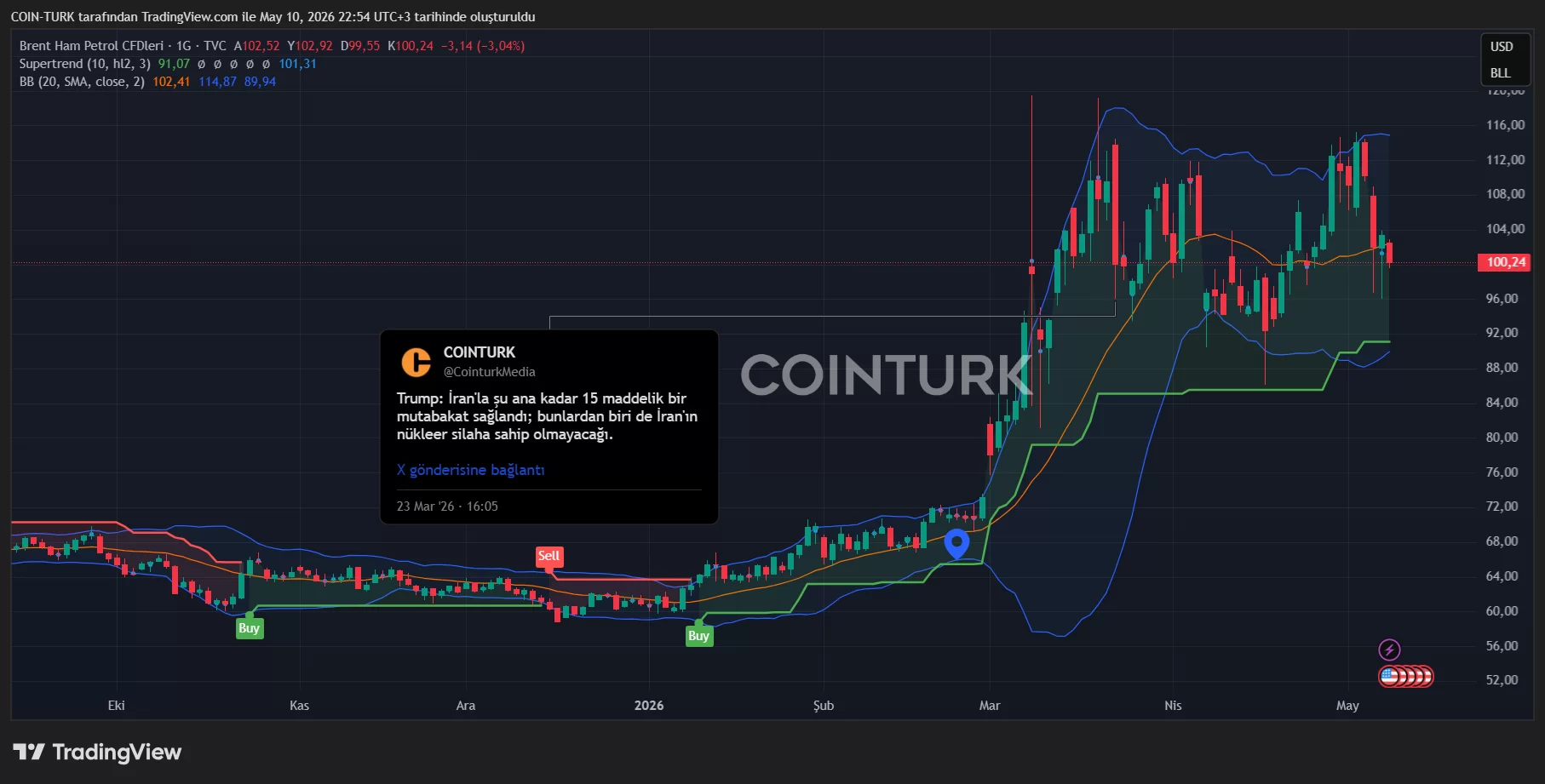
Oil prices, while briefly dipping below $96, spent extensive periods in triple digits. Each decrease has been followed by a swift recovery, creating unease among bullish traders eyeing a continued rally.
What’s next for cryptocurrencies?
If the reported leaks from WSJ are accurate and former President Trump received a response resembling previous Iranian positions despite limited strikes, then the stage is set for a genuine turning point. With midterm elections looming and another near 1% inflation increase expected in upcoming reports, macroeconomic uncertainty is bound to rise. Further, as energy-driven inflation spreads to other sectors, the Federal Reserve may be compelled to consider fresh rate hikes.
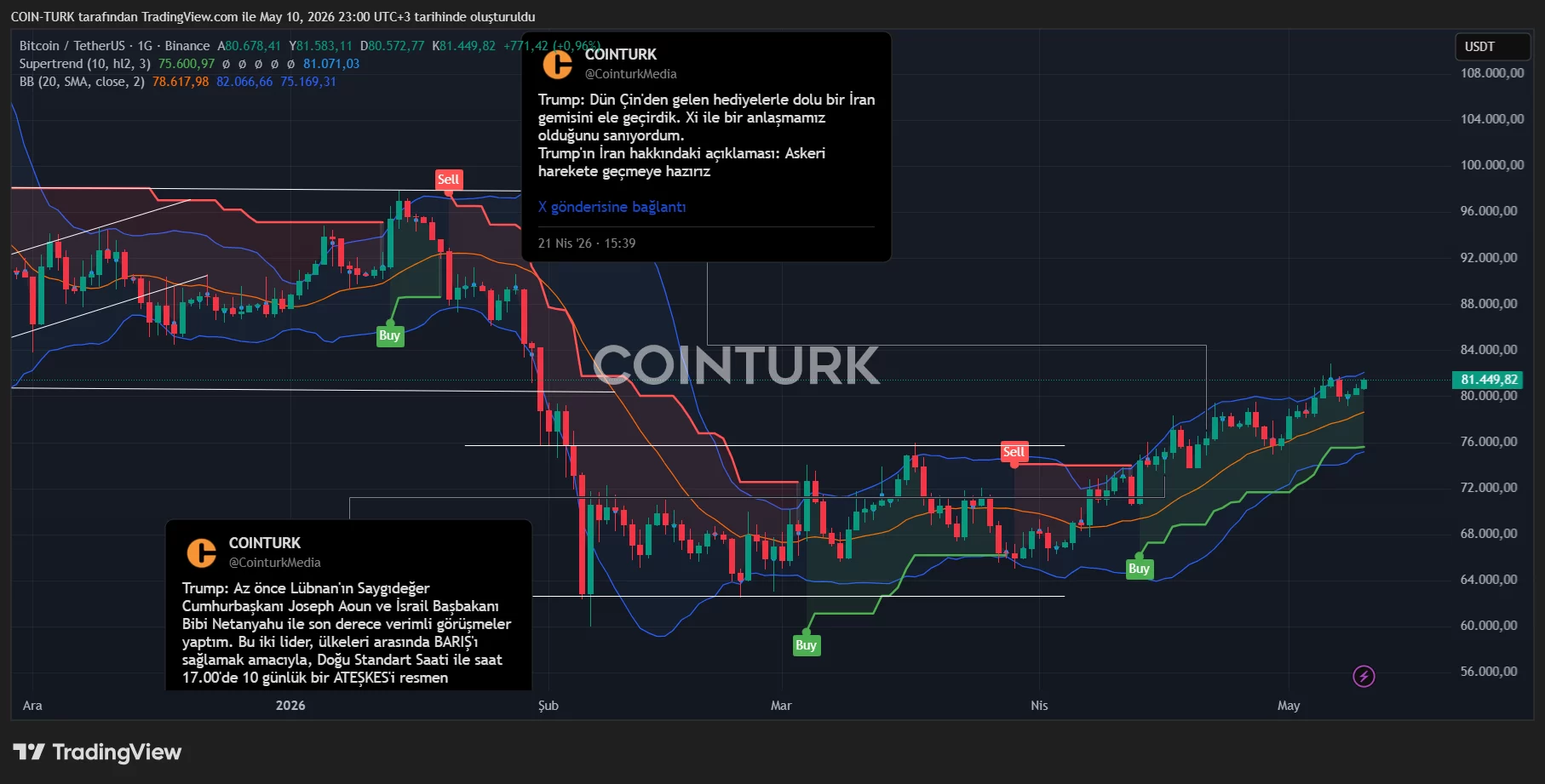
For now, BTC is holding steady at an impressive $81,400. If Trump refrains from launching a more forceful retaliation, tensions could gradually de-escalate from the U.S. side. Yet, should the President seek to declare victory, he may opt for a substantial new strike against Iran. In such a scenario, cryptocurrencies would face a sharp downturn.