In 2026, game design is going through a market reset. A recent analysis of more than 3,200 Web3 gaming projects found that roughly 93% are effectively dead, with only a small share still having a real chance of survival.
That number sounds brutal, but it does not mean the category is dead – it means the easy version of the category is dead. The market no longer rewards games that sell hype first and gameplay later, which is probably for the best, because “trust us, the fun comes after the economic model” was never a great pitch.
The shift is bigger than rewards. Games are moving toward familiar user experience, lower friction, better retention, more stable economies, and ownership that supports identity instead of trying to become the whole product. In simple terms, the market is moving from “come here to earn” toward “come here to play, build, belong, and keep progressing.”
Rewards Still Matter, but They Cannot Lead the Game
Rewards work because they drive action, increase activity, and help early growth. The problem starts when they define the entire experience.
When people play mainly for small rewards, the system starts to eat itself. Players chase the fastest return, skip anything that does not improve the outcome, and leave as soon as the reward feels too small for the effort. To keep activity at the same level, the game needs stronger incentives, which turns the whole thing into a treadmill that keeps asking for a higher speed setting.
That behavior follows the design. If a product looks like a reward machine, players will treat it like one.
The better question for 2026 is not how to add more rewards. The better question is what rewards should support.
The 51 Games Approach: Make the Game Work First
51 Games approaches this shift through browser-first worlds, progression-first design, and economies that reward time, skill, and creativity without turning the game into a pay-to-win spreadsheet with nicer graphics.
Instead of building around a single loop, the studio combines shared technology, live ops, analytics, and scalable game systems to support high-volume player activity across regions. It is the less visible part of game development, but often the one that determines whether a game survives after the launch chart stops looking exciting. This approach takes shape in Chainers, the studio’s flagship game.
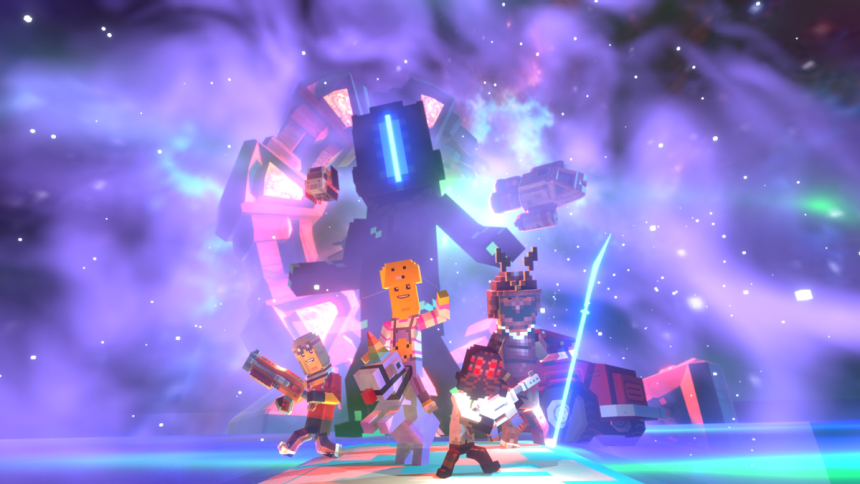
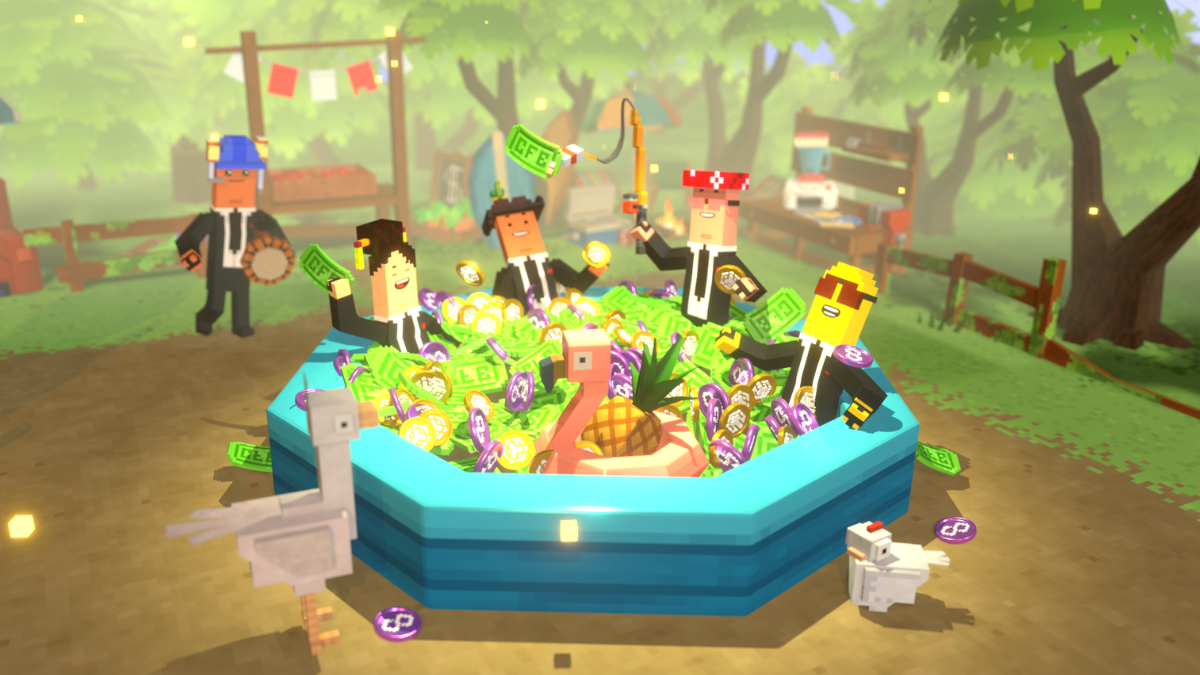
Chainers is a living world that players can enter instantly in the browser, where they build their space, evolve their Chainers, explore the frontier, and shape the world through progress. Instead of relying on a single loop, the game connects city-building, character growth, exploration, events, collectibles, and social play into one system.
Progress sits at the center of that system. As players build, unlock, and evolve, their actions accumulate and become part of a world that keeps growing with them. This reflects the core idea behind Chainers: progress powers the world.
Web2-Style UX, Quiet Infrastructure, and Optional Ownership
One of the clearest shifts in 2026 is that games can no longer ask players to solve a technical puzzle before they reach the fun. Players want to enter, understand the loop, and start playing without feeling like they accidentally opened an onboarding manual.
This is where browser-first access matters. It reduces the distance between curiosity and play. The player does not need to commit before they understand the world, which is exactly how mass-market games usually win.
Chainers is not trying to make Web3 louder, it makes it quieter, so the game can do its job. That does not mean ownership disappears. It means ownership moves into the right place. In stronger game systems, ownership supports identity, collection, progression, and long-term attachment. It does not stand at the front door waving a neon sign that says “profit here,” because that is how a game starts sounding less like entertainment and more like a very stressful side hustle.
In Chainersen Systems
Stronger games now follow a different structur, ownership works best as an extension of progress. Items, characters, traits, and world contributions matter because they connect to what the player builds and becomes inside the game. The value comes from the role they play in the world, not from treating the world like a temporary extraction zone.
From Reward-First Design to Progress-Driven. The game has to stand on its own before any reward matters, and the player needs identity because a character, a world, or a role creates attachment. Rewards can then amplify that experience rather than define it.
This shows a broader shift in game design, where gameplay comes first, identity and progression follow, and rewards work best when they reflect effort and time.
The problem is that many systems still follow the opposite logic. When rewards sit at the center, player behavior becomes fragile. Players focus on extraction, and the system starts depending on stable output to keep activity alive. If rewards drop, activity drops. If activity drops, confidence drops, and the system becomes harder to balance over time.
At the same time, games need to evolve. Teams rebalance systems, add features, and adjust progression as the product grows. A live game cannot promise stability while it continues to change.
This creates a clear mismatch. Players expect predictable value, while the game requires flexibility to survive. Over time, that gap becomes visible and starts to break the system.
How Chainers Turns Progress Into a Living World
Chainers shows how progression-first design works in practice. The game does not treat progress as a number or a reward counter. It builds a system where progress shapes the world itself and connects player actions across different layers.
Progress Has to Mean Something
Many systems include progression, but few make it meaningful over time. Players invest hours, unlock things, and move through levels, but the result often stays trapped inside one loop or loses relevance after the next update.
A more durable model makes progress compounds. It connects effort to the world, the community, and the role each person builds inside the game.
Players stay when their effort changes something, when their place in the community grows, and when rewards recognize commitment instead of replacing it. In this model, progress does not sit on top of the game like a bonus label slapped on the box. It becomes part of the system itself.
Why Living Worlds Hold Players Longer
Traditional loops create structure, but they rarely produce lasting meaning on their own. A world-based approach builds multiple connected layers that reinforce each other.
Players shape space, develop characters, collect and use assets, join events, compete, collaborate, and interact with others inside the same environment.
This is where Chainers fits the broader evolution. The game does not collapse into one genre or one mechanic. It brings together city-building, character growth, collectibles, social dynamics, and rewarded progression inside one living world.
Designing for Builders, Not Extractors
Game systems shape player behavior. Reward-heavy systems tend to create players who optimize and extract, which limits long-term engagement. A different approach focuses on players who build, explore, and participate.
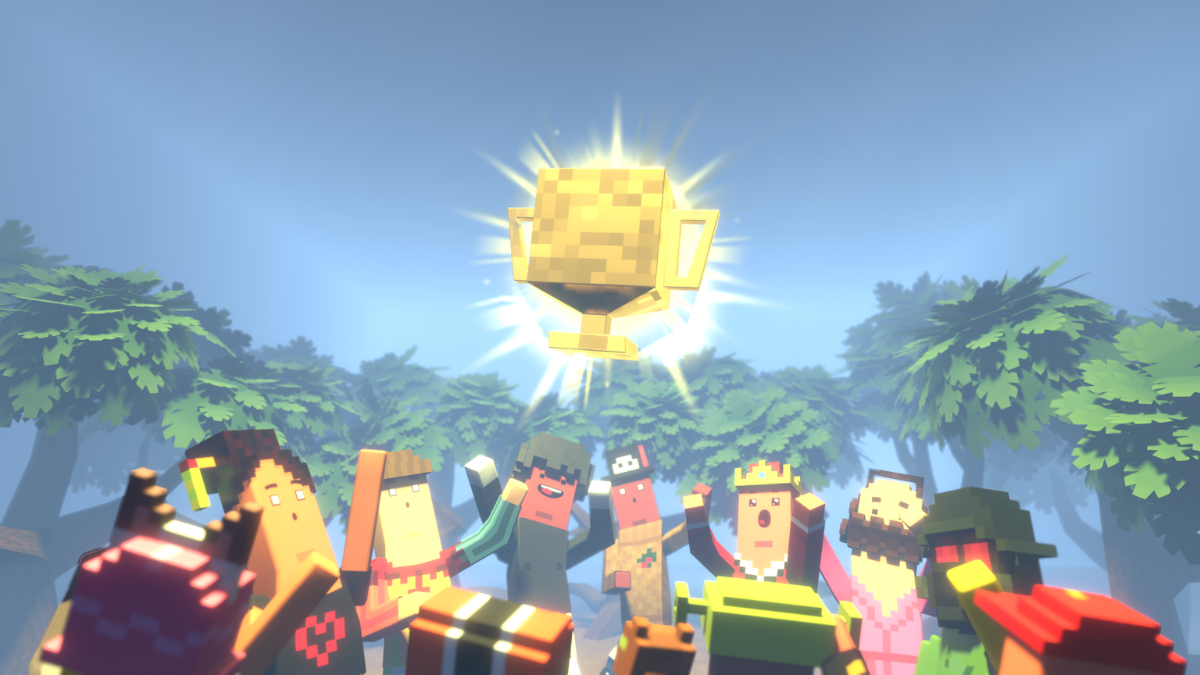
Chainers reflects this through a clear player role. The player is not a passive participant or a pure optimizer. The design supports a builder-defender-explorer identity inside a world where creativity advances progress.
That shift changes how players relate to the game and how long they choose to stay.
Sustainable Ecosystems Beat Short-Term Spikes
Short-term growth can make a chart look heroic for a week, but charts do not build communities by themselves. Sustainable systems depend on participation, progression, trust, low friction, and repeat engagement. This is also where studio infrastructure matters. Live ops keeps the world active. Analytics helps teams understand where players drop, what they value, and which systems need adjustment. Scalable economies help rewards support progression without creating pay-to-win pressure or turning every update into an economic emergency.
Chainers reflects a broader shift from speculation-driven models toward player-focused ecosystems. Its structure focuses on participation, where value builds through activity and contribution over time. This changes the core question. Instead of asking how much players can take out, stronger systems focus on what players can build and carry forward.
What Games Need to Learn in 2026
Games do not need to remove rewards. They need to change how rewards fit into the system. Gameplay gives players a reason to start, progression gives them a reason to continue, identity gives them a reason to care, and community gives them a reason to belong.
Rewards should recognize that effort and make the player feel that time spent in the game still matters.
This order shapes how players experience the game. When rewards come first, players tend to optimize their behavior around outcomes, but when the game leads with a world and meaningful progression, players engage more naturally through participation, exploration, and long-term involvement. In that structure, rewards still play an important role, but they support the experience rather than replace it.
Players already know how to claim rewards because every platform, quest board, season pass, and limited-time system has trained them well. The harder task is making progress feel worth keeping, because “click here to claim” can start activity, but it cannot build attachment.
Games in 2026 need worlds that remember player effort, systems that make progress visible, ownership that deepens identity, and communities where participation creates value over time.
In the games that last, progress will not be a number players chase. It will be the reason they return.