
This Friday, U.S. financial markets are gearing up for one of the most closely watched employment reports of the year. The latest data paints a complex picture: Tuesday’s JOLTS survey revealed a weaker-than-expected labor demand, and today’s ADP National Employment Report also pointed to signs of softening in the jobs market. The intersection between a slowing employment landscape and persistent inflation is beginning to sharpen concerns that stagflation—a troubling mix of stagnation and rising prices—could become a risk by 2026.
ADP report offers early signals ahead of critical employment data
The ADP National Employment Report, which collects payroll data from 400,000 private sector companies, is seen as a leading indicator of broader labor market trends. Notably, it tracks changes in private sector employment, excluding agriculture. This month’s numbers take on added significance, coming on the heels of fresh geopolitical tensions involving Iran, and will offer clues into how such developments may be influencing employer hiring decisions. Moreover, recent months have shown a rebound in employment—a trajectory that now appears to be reversing, providing important context ahead of Friday’s official labor market data.
Latest numbers show mixed signals for the U.S. economy
Released just two days ahead of the highly anticipated Non-Farm Payrolls (NFP) report, today’s ADP figures show the following key data point: ADP reported an increase of 62,000 jobs for the month, surpassing market expectations of 40,000 but slightly down from the previous month’s 63,000. Interestingly, last month’s reading was revised up to 66,000, suggesting a little more resilience in private sector hiring than initially thought.
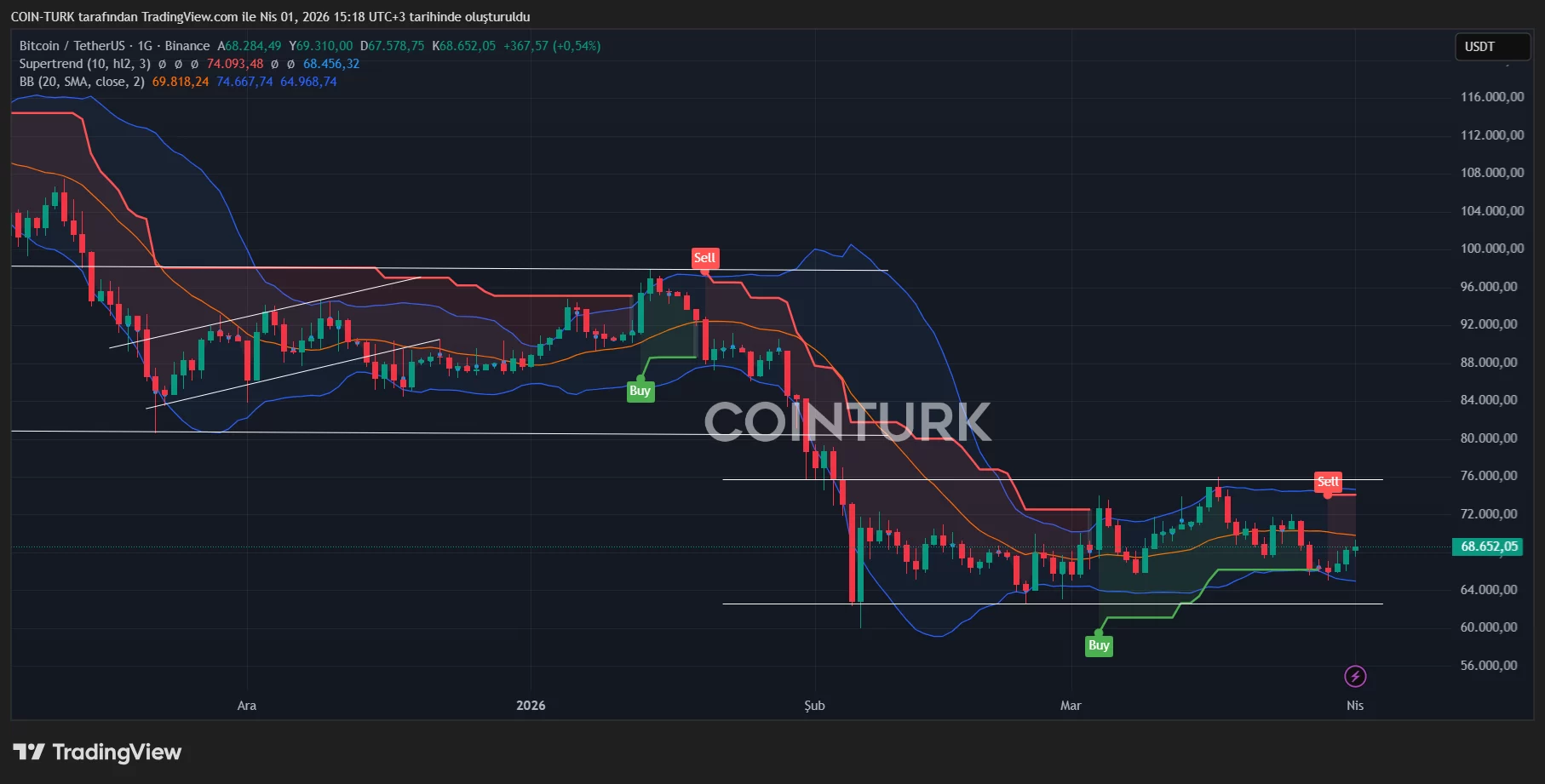
The upward revision for the prior month and a print above consensus have added a layer of complexity for investors. Despite the unexpectedly weak job openings figure from Tuesday’s JOLTS report, the better-than-expected ADP data now raises the possibility that official employment figures released on Friday could meet or even exceed forecasts. Should this correlation between leading ADP data and official labor statistics hold, it could influence financial markets—including cryptocurrency prices, which have been sensitively tracking macroeconomic developments.
With the Federal Reserve remaining focused on inflation risks, stronger employment numbers could prompt policymakers to reconsider their current approach. Market participants are acutely aware that any signs of resilience in hiring might delay or even reverse expected interest rate cuts, and could potentially lead to rate hikes instead. Such a move would have broad implications for financial markets and lending conditions through the remainder of the year.
The evolving data landscape has therefore put extra spotlight on Friday’s Non-Farm Payrolls report. Investors are closely weighing how the latest employment and inflation figures interplay, especially after recent shocks to key economic indicators. As anxiety grows over the prospect of stagflation in 2026, markets are bracing for heightened volatility.
“If strong job data persists even as inflation risks intensify, the Fed could consider raising rates this year,” analysts suggested in market commentary, echoing the sentiment of many investors tracking both the labor and financial markets.
Alongside labor market data, broader macroeconomic forces are also in focus. Geopolitical disruptions, especially those stemming from tensions with Iran, may further weigh on employer confidence. Over the coming days, market sentiment is likely to be shaped by the interplay between these headline events and the next round of official U.S. data releases.