
As the weekend approaches, Bitcoin is holding steady above $73,000 despite mounting inflation, while anticipation builds around key negotiations set to begin tomorrow in Islamabad. For cryptocurrency investors, the next 48 hours are likely to be decisive, with a host of market dynamics vying for attention. Five topics dominated investors’ focus today, and analysts are closely scrutinizing how two bearish flags on the Bitcoin chart may foreshadow trends for the rest of 2026. This article explores the interpretations and outlooks shaping the conversation in the crypto sphere.
Key topics dominating the crypto agenda
The analytics firm Santiment has mapped out the top five issues discussed across crypto-themed social media, offering a unique lens into what’s shaping market sentiment. Understanding these conversations is critical for market watchers hoping to decode the broader moves in digital assets.
The main point of interest today was the U.S. inflation data, showing a 3.3% climb, bringing the indicator to levels last seen in May 2024. A surge in energy prices was the prime mover, which also had ripple effects on core inflation, rising to 2.6%. The developments in Iran and the forthcoming Islamabad negotiations are viewed as central factors, underscoring their significance in the broader market context.
Another widely discussed story centered around the departure of Covenant AI, the largest subnet operator on the Bittensor network, and reports of the subsequent sale of approximately 37,000 TAO tokens—valued between $10–11 million. Concerns regarding centralized governance and perceived abuses of moderation within Bittensor have been cited as reasons for this withdrawal. As a result, TAO Coin dropped nearly 20% today, and along with persistent selling in coins like WLFI, investors hoping for a return to the $500 mark have faced growing disappointment.
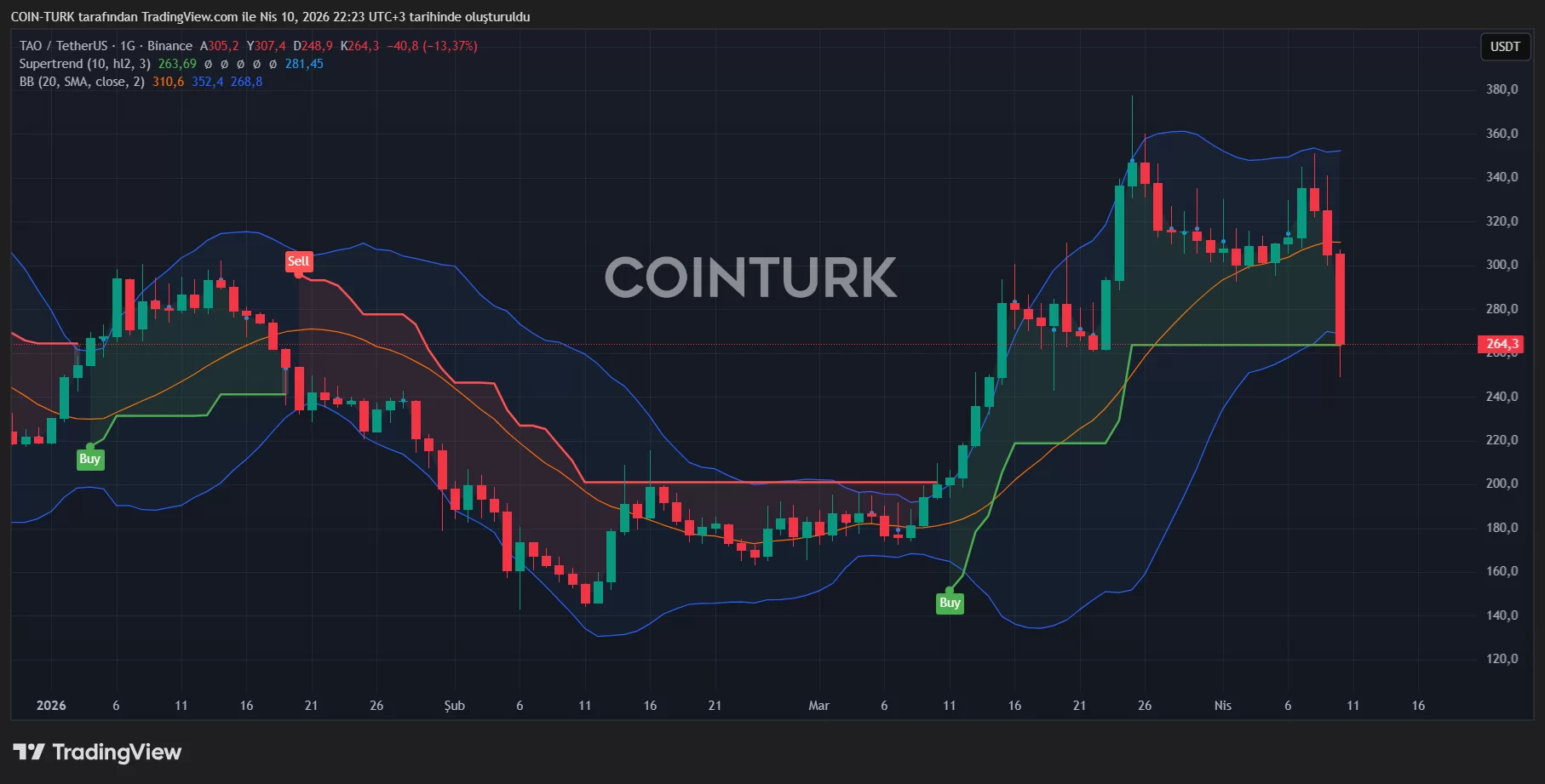
In contrast, RAVE tokens experienced an explosive rally, surging 200–300% on massive volume, while WLFI saw its fortunes decline as billions of tokens were used as collateral, leading to tens of millions of dollars in loans and, ultimately, collapse. Altcoins like ZEC, DASH, and MON have shown pronounced volatility, signaling a renewed appetite for high-leverage trading and risk-taking across the sector.
Shifting social media trends and regulatory anxieties
The closure of crypto-focused X (formerly Twitter) accounts remained a key concern for the community this week. Now, tensions have grown further as journalists and users protest Twitter’s decision to remove the mutual follower feature, raising questions about security and trust in social media-discussed investment communities.
Santiment observed that “people say this was their last tool for quickly reviewing crypto accounts and avoiding scams. Some believe this change will aid bots and misinformation.”
Such changes have prompted fears that the evolving social media landscape could make it harder for investors to identify credible voices and detect fraudulent activity, at a time when the crypto industry is already navigating an atmosphere of regulatory uncertainty and technological disruption.
Bearish signals and market forecasts for Bitcoin
Looking at technical trends, analysts have drawn parallels with 2022, when five bearish flag patterns appeared on the Bitcoin chart and the market reached a cycle bottom. While CryptoCon, a well-followed analyst, acknowledges that no one chart formation can predict the future, he notes similarities that could suggest another period of correction is possible. Specifically, lingering within the second bearish flag may be a warning sign of further declines ahead.
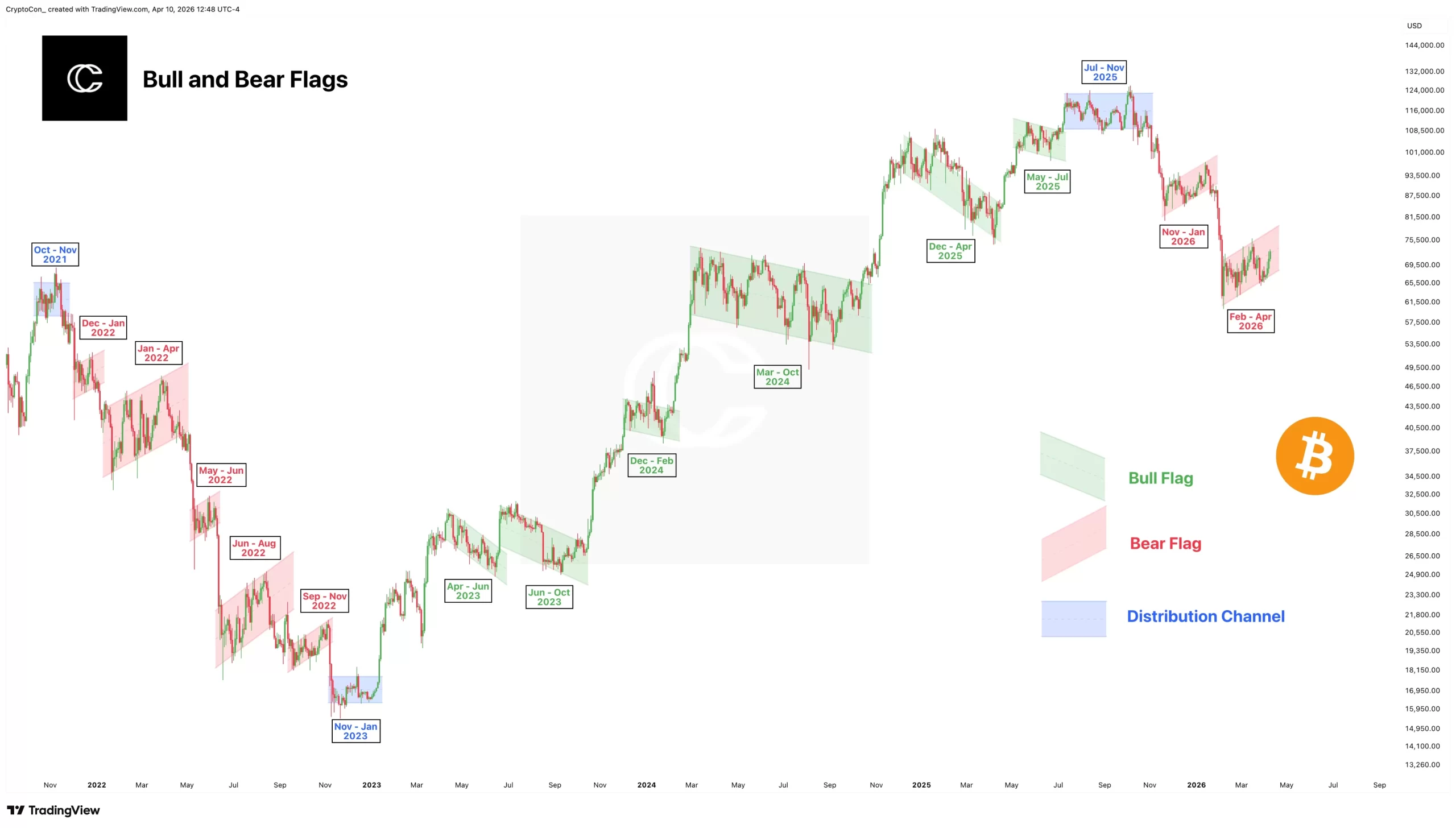
If history repeats itself, some analysts expect Bitcoin’s price could drop back to the $50,000 range. Meanwhile, Martinez, another prominent market watcher, highlights how the $75,300 level acts as a magnet for liquidity, shaping traders’ strategies and possibly driving the next big move for BTC.

“Bitcoin has reclaimed the $72,000 range, and attention now shifts to the massive liquidity pool just above. Short sellers have been trapped, and the exit door is narrowing.”
Martinez argues that a sharp rise toward $75,300 could trigger rapid liquidations among short positions, potentially setting off a domino effect and fueling a dramatic rally that would catch the entire market off guard.