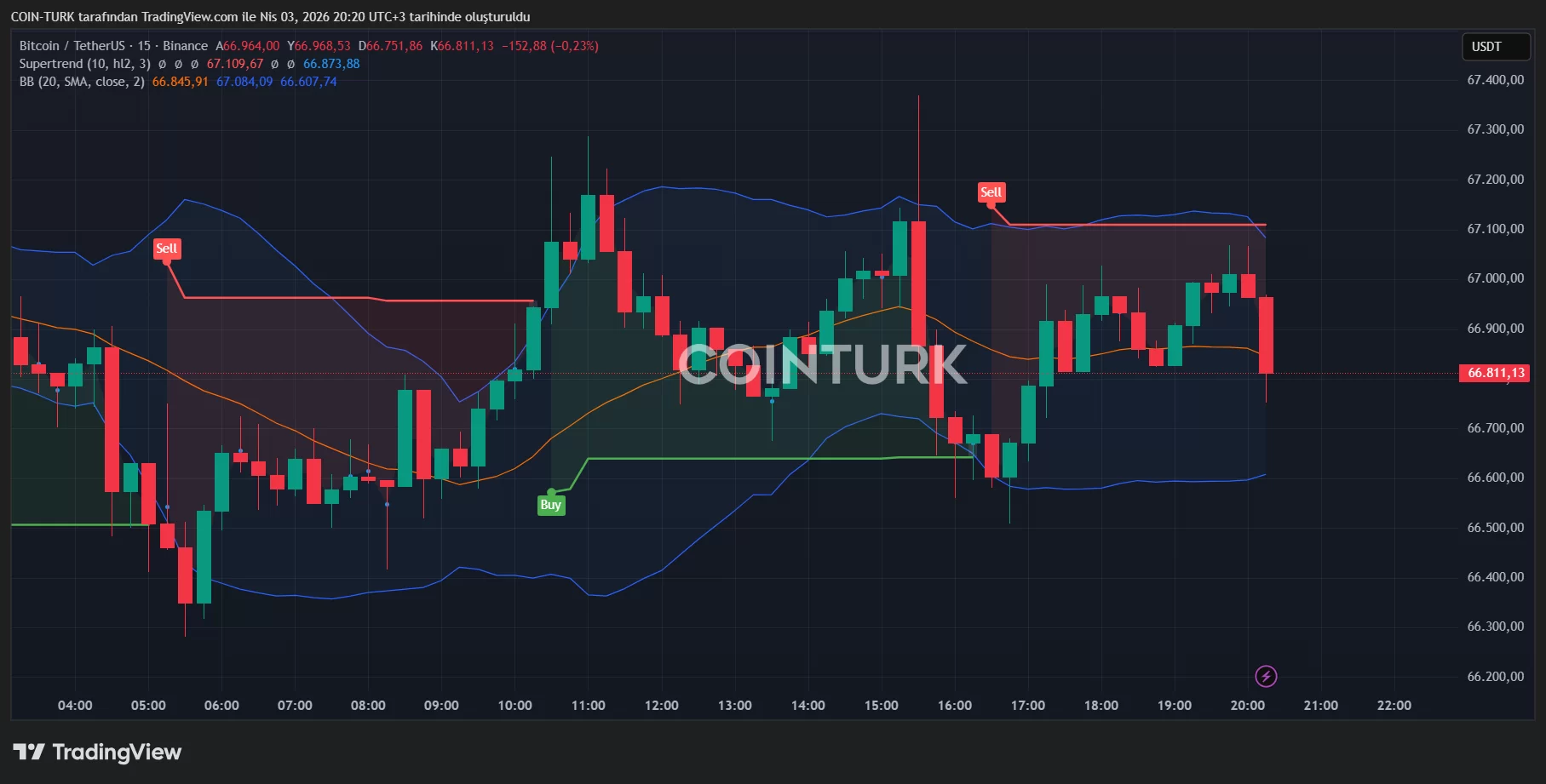
Bitcoin, which had recently climbed above $67,000, saw its momentum reverse as negative developments around ceasefire negotiations between Iran and the United States came to light. While some investors had pinned hopes on positive diplomatic outcomes, the news from the Wall Street Journal signaled an end to speculation and sent ripples through the cryptocurrency market.
Ceasefire efforts stall, Bitcoin reacts
With U.S. financial markets closed for a holiday and traders still processing the lingering effects of Donald Trump’s latest statements, market activity remained particularly thin and subdued. Efforts to broker a truce—with Pakistan taking a lead role, and some reports suggesting involvement from Turkey as well—failed to yield results. Trump had alluded throughout the week to ongoing communications, suggesting optimism, yet these negotiations ultimately didn’t move forward.
Iran informed mediators that it does not intend to meet with U.S. officials in Islamabad in the coming days and officially deemed the U.S. demands unacceptable, the Wall Street Journal reported.
Oil, inflation, and rising global risks
This diplomatic setback brings wider implications for the broader economy and risk assets. Current indications suggest the military conflict could persist for at least two to three more weeks, keeping oil prices elevated. U.S. forces may intensify operations in the absence of a peace deal, which is likely to provoke a stronger response from Iran and further push up oil prices.
Beyond energy markets, this ongoing tension threatens to fuel global inflation and put upward pressure on interest rates. With crucial shipping lanes disrupted, shortages could emerge across a wide range of goods—from fertilizers and helium to food and microchips. The resulting increase in raw material costs may be felt by consumers and businesses worldwide.
Key market observers expect risk asset classes to continue losing ground under these conditions. Remarkably, Bitcoin’s pullback was relatively contained in the immediate aftermath of the news, though analysts caution that the full extent of the reaction may yet unfold in the coming hours.
The uncertainty persists in the context of conflicting statements from political leaders. Earlier, Trump referenced engagement with the “new regime,” only for The New York Times to clarify that he was referring to Iran’s parliamentary speaker—a claim which had been denied earlier in the week. For now, the situation appears unchanged, with little prospect for de-escalation in sight.
In summary, investors face a landscape of heightened geopolitical risk, persistent inflationary pressures, and fragile market confidence. Without tangible progress toward a ceasefire, market volatility is likely to remain elevated, and Bitcoin—as well as other risk assets—could continue to feel the strain from mounting macroeconomic headwinds.