
Bitcoin reached a new high of $96,000 within 24 hours, with altcoins also seeing gains exceeding 5%. Market participants were eagerly awaiting the Supreme Court’s decision on tariffs, set for announcement at 18:00. The anticipation had been building for months regarding the tariff-related decision. The primary question remained: What direction would the decision take, and how would it influence the cryptocurrency markets?
Supreme Court’s Stance on Tariff Decision
The tariff decision was initially expected on January 9 but was postponed to 18:00 on January 14. However, instead of releasing the much-anticipated tariff decision, the court announced rulings on other cases. There remains a slim possibility of a surprise decision announcement, extending the wait until as late as 03:00. Typically, when no announcement is seen by 18:00, the court does not release such decisions later. Now, the market turns its attention to next week for potential developments.
The case in question revolves around whether President Trump could impose unilateral tariffs without congressional approval, utilizing the 1977 International Emergency Economic Powers Act (IEEPA). Expectations leaned towards a decision against this power, which could obligate the U.S. to refund at least $150 billion in tariffs. When factoring in the financial impact from withdrawn tariff-fear-inspired investments, the U.S. could face losses amounting to trillions of dollars.
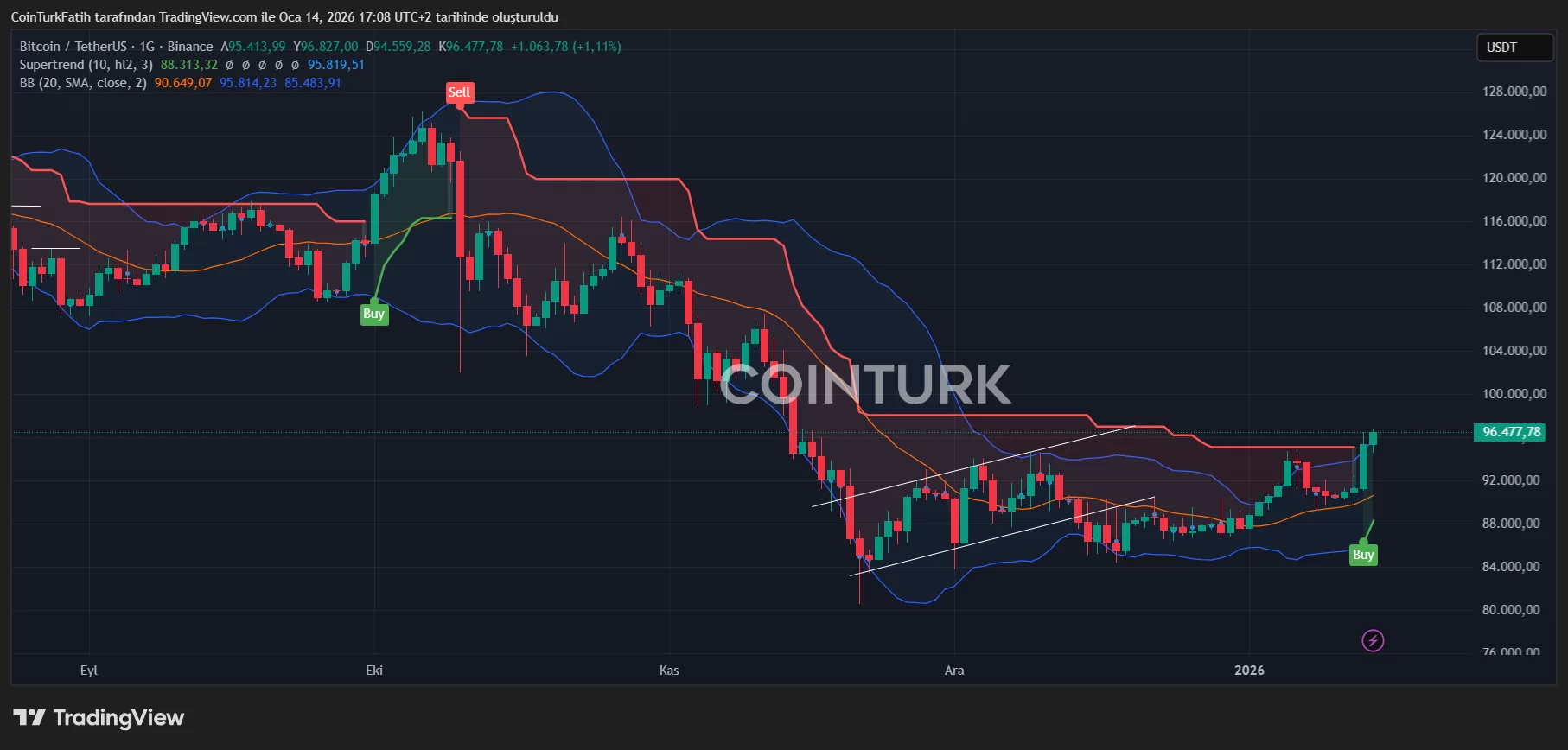

Bitcoin has climbed to its highest level in two months, reaching $98,627. This surge reflects confidence in the potential outcome of the Supreme Court decision, impacting not just the cryptocurrency sector, but broader financial markets.
The anticipation surrounding the court’s undecided stance has fueled speculation and market fluctuations as stakeholders weigh potential outcomes. Investors and traders are keenly monitoring developments, preparing for reactions aligned with the impending decision.
The broader financial ecosystem continues to intersect closely with legal and political decisions, leading to volatility as existing frameworks undergo scrutiny and potential alteration. The outcome will likely resonate across industries, influencing both domestic and international economic strategies.
Such legal decisions reinforce the importance of regulatory environments and their significant impact on economic variables. As the world navigates complex interdependencies between law, economics, and innovation, market actors must remain vigilant and adaptable to ever-evolving landscapes.