
The price of Bitcoin swiftly retraced to $60,000, prompting a potential return to its previous all-time high in 2021. It remains unclear whether the correction has ended, though similar rebounds often occur after sharp declines. Recently, China has made a series of announcements affecting the cryptocurrency sector, marking significant changes.
China’s Latest Crypto Decisions
In 2021, China banned cryptocurrency mining and curtailed crypto-related activities, and now further regulations have been introduced. The latest measures include several key points:
- China has prohibited the issuance of Yuan-linked stablecoins overseas without prior approval.
- Domestic entities and corporations in China are banned from launching cryptocurrencies abroad.
- The tokenization of real-world assets is now banned in China.
- Internet companies are discouraged from offering crypto-related services in China.
Global Implications of China’s Crypto Stance
China reiterated its stance that cryptocurrency activities are illegal within its borders. This week, Janet Yellen, U.S. Treasury Secretary, stated that China’s significant actions on cryptocurrencies are imminent, suggesting that developments in Hong Kong serve as a pilot initiative. Former President Trump also emphasized the need for action to prevent China from dominating the crypto space.
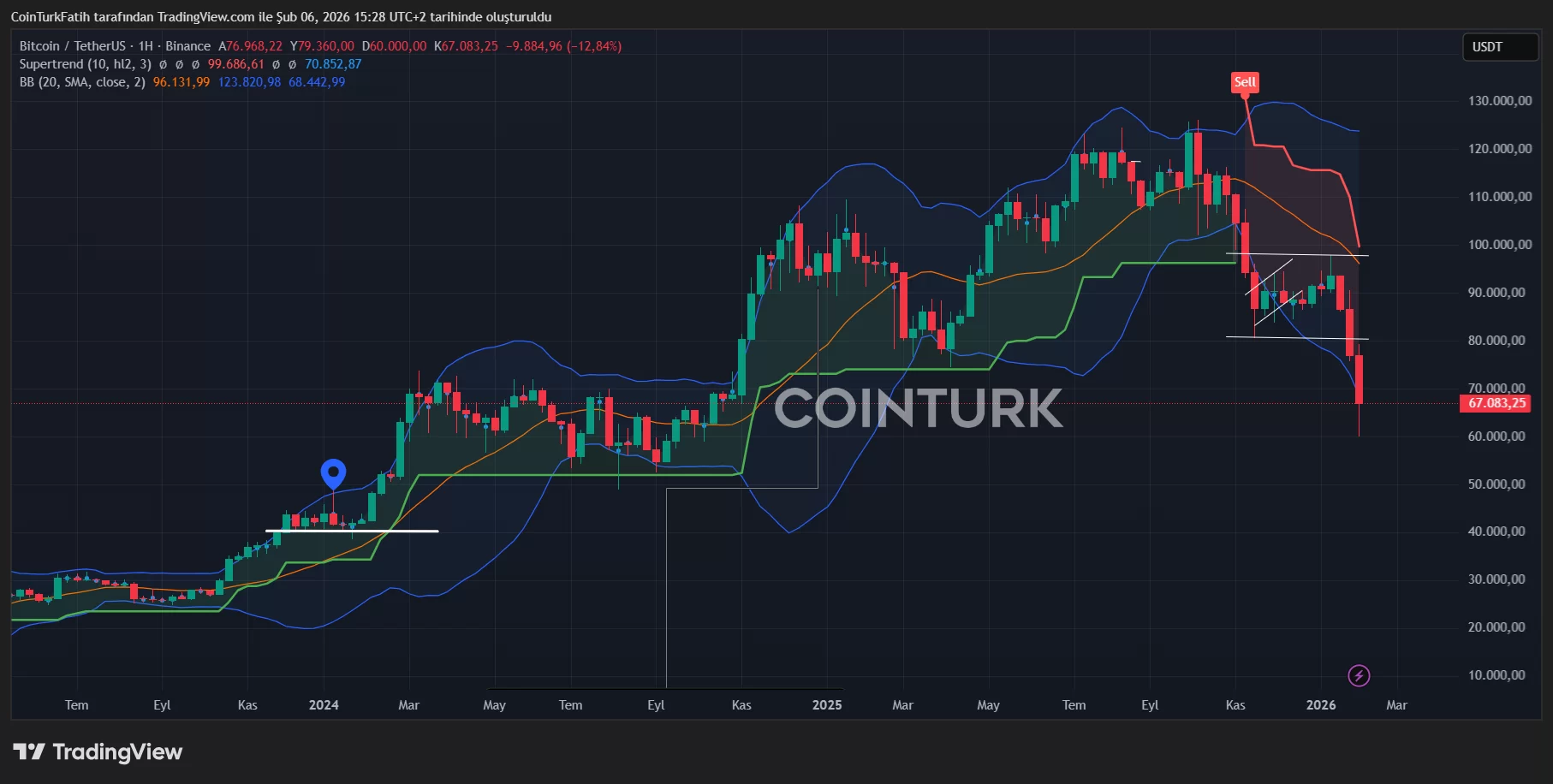
As these developments unfold, the crypto market is facing a considerable challenge with China’s latest comprehensive prohibitions. The implications of China’s actions extend beyond its borders, influencing global discussions on regulatory approaches and cryptocurrency adoption strategies.
The response from the global markets has been mixed, with some countries potentially looking to capitalize on China’s restrictive measures by positioning themselves as more crypto-friendly destinations. However, China’s influence cannot be understated, as it continues to shape the digital currency landscape.
Observers are closely watching how other international markets respond to China’s strict regulations and what this means for the future of digital assets. The focus is on whether alternative markets will step up their regulatory frameworks to attract digital currency initiatives driven away by China’s bans.
In light of these developments, the cryptocurrency community remains wary, speculating about potential market volatility and new opportunities that might arise from these regulatory changes. China’s actions underscore the significance of cohesive international regulation and collaboration in the evolving digital financial ecosystem.