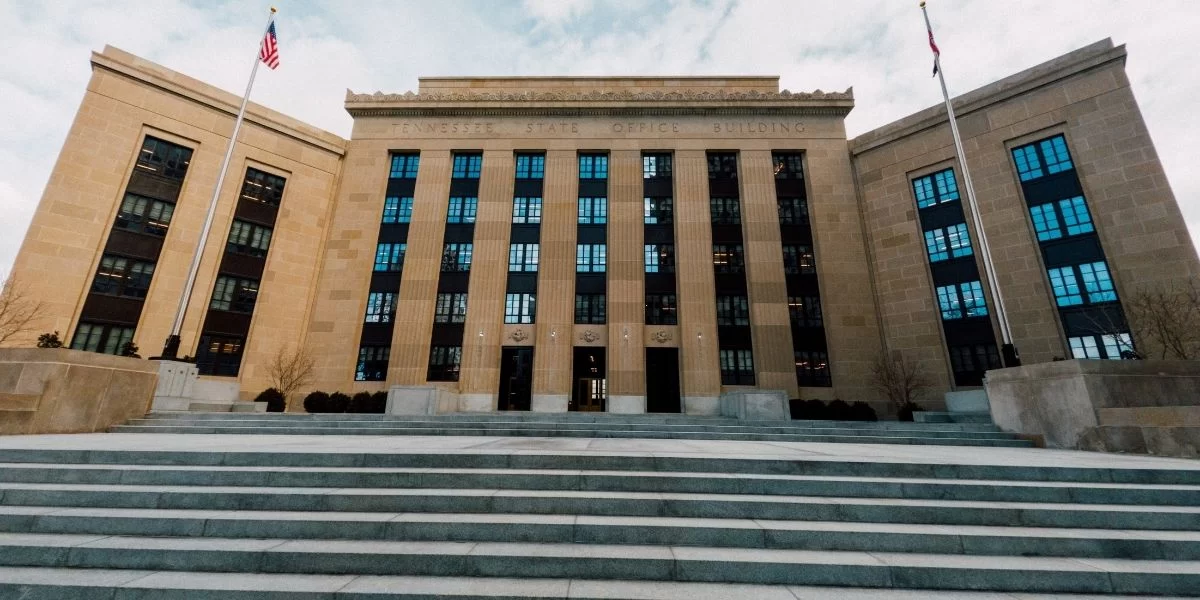
On Sunday, an announcement regarding the Federal Reserve’s conference on payments and innovation previewed today’s event. It was anticipated that Waller, one of the speakers, would express supportive views on cryptocurrencies. With the intersection of payment infrastructure and innovation, cryptocurrencies are becoming a crucial element. So, what happened at the conference?
Fed and Cryptocurrencies
After expressing gratitude towards the participants at the First Payment Innovation Conference, Fed member Waller explained the purpose of the event. Notably, Miran, Waller, and Bowman are members who adopt a more moderate approach to cryptocurrencies, influenced by their proximity to Trump’s policies. Waller began his speech by highlighting his aims:
“My purpose in organizing this conference is two-fold. Initially, I wanted to hold a conference that focuses on new technologies emerging from the crypto world and how they are integrated into the mainstream payment ecosystem. My intention was to create a lively discussion space between traditional payment sector players and new entrants from the crypto world. Secondly, I aimed to signal the start of a new era in payments for the Federal Reserve, emphasizing that the decentralized finance (defi) sector is not met with skepticism or disdain. On the contrary, today, we invite you to a conversation about the future of payments in the United States and globally, in ways that were unimaginable just a few years ago.”
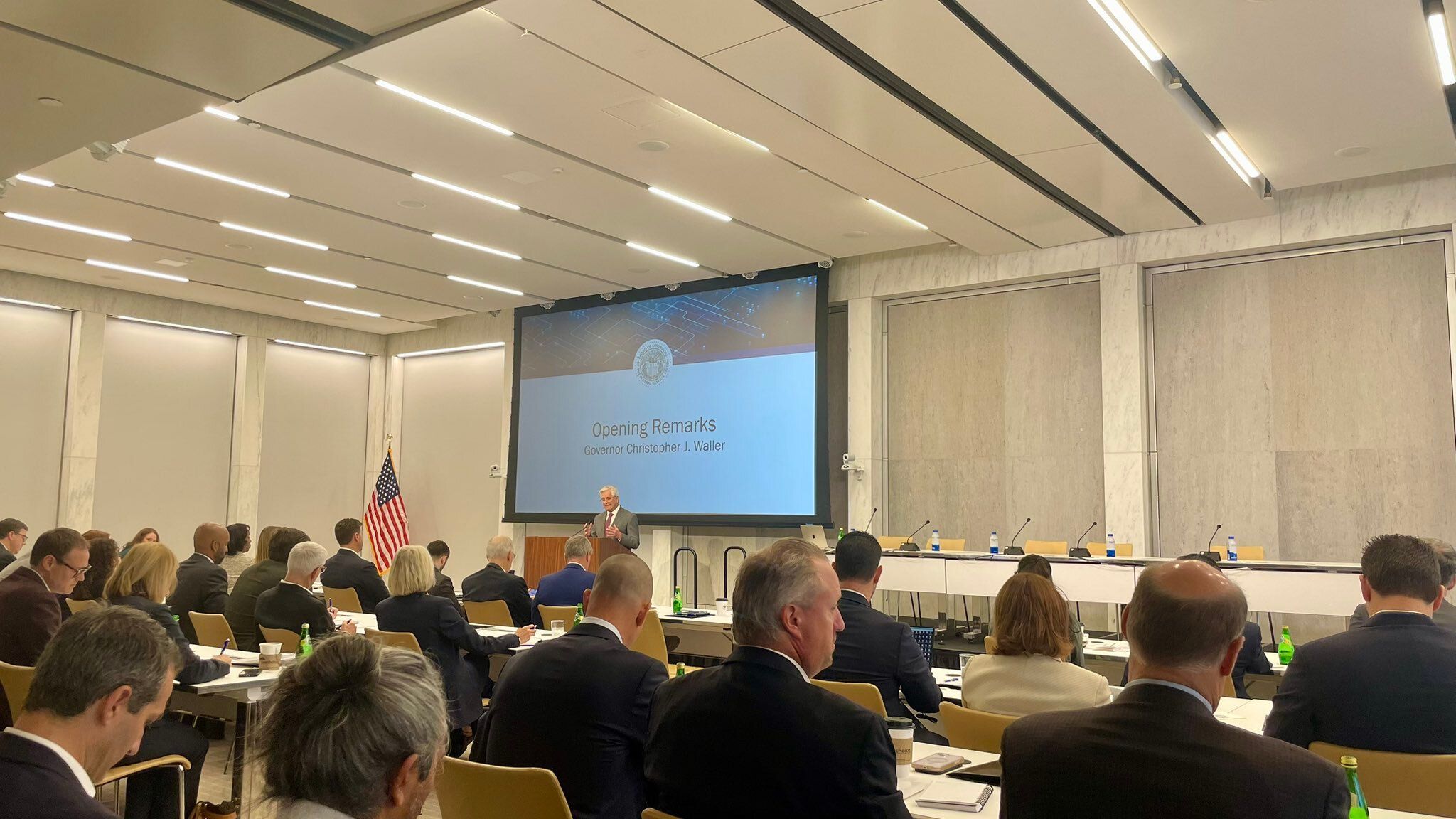
It was a remarkable opportunity to witness the evolution of the outlook on cryptocurrencies during Biden’s tenure. Waller underscored the fact that cryptocurrencies are not in a marginal position:
“Today’s conference will focus on private sector-driven innovation. We have gathered 100 private-sector innovators leveraging the latest technology to create new opportunities in the payments field. Our panelists are engaged in integrating traditional financial payment systems with distributed ledgers, developing new products and services in the digital asset ecosystem, and utilizing artificial intelligence in payments.
The participating firms include banks, asset managers, individual payment companies, technology firms, and fintech companies focused on cryptocurrencies. This illustrates that distributed ledgers and crypto assets are no longer confined to a marginal position; instead, they are increasingly integrated into the fabric of payment and financial systems.”
A New Era for Cryptocurrencies
With GENIUS, stablecoins have gained legitimacy. Infrastructure work for tokenization is ongoing, while the SEC awaits the end of the shutdown to implement broad cryptocurrency regulations. Trump is aware of the innovation potential in the crypto sphere and hopes to sign all cryptocurrency laws into action before the 2026 midterm elections when he anticipates holding a majority in both chambers.

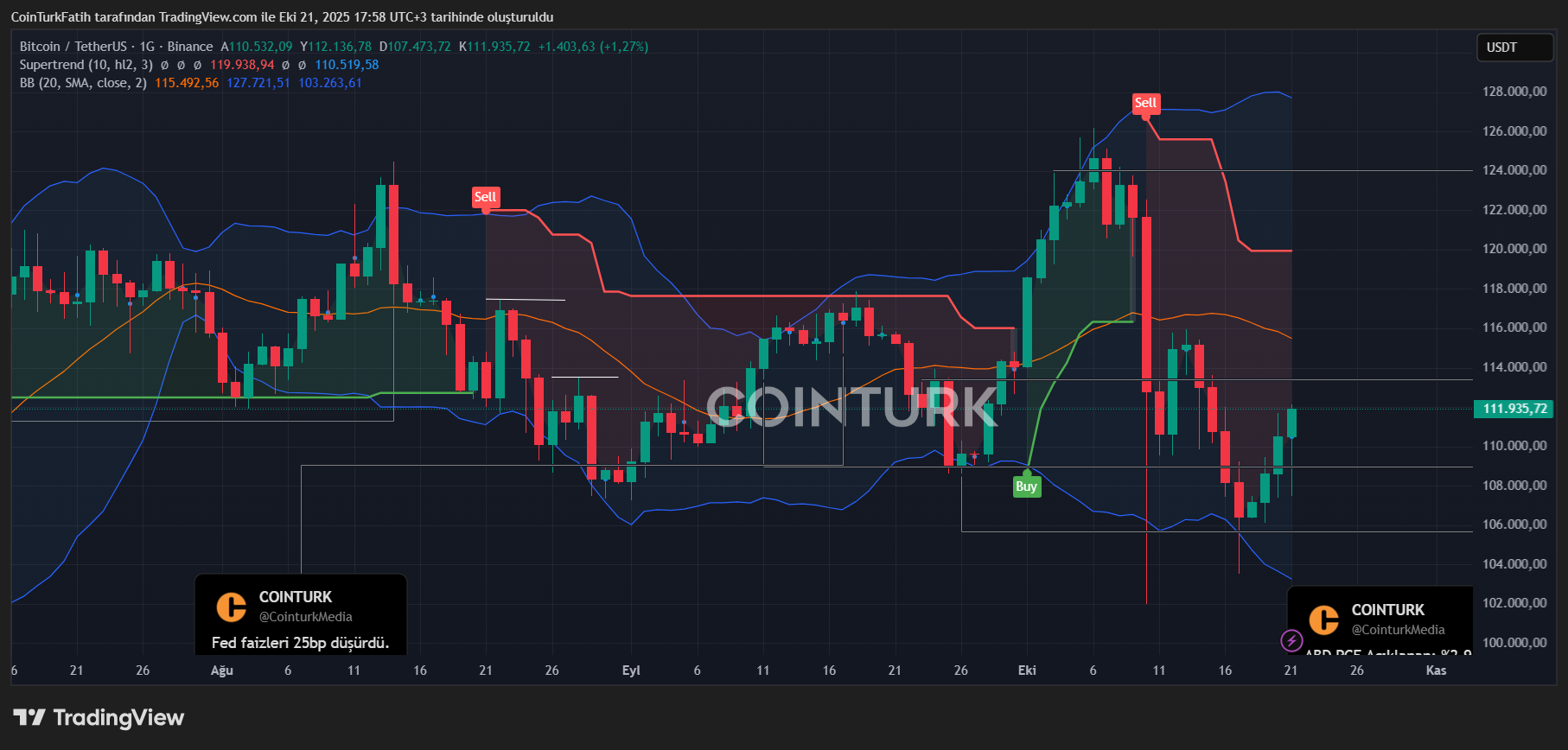
All of this indicates that cryptocurrencies will expand globally with the open support of the United States. The future of cryptocurrencies appears bright, and short-term fluctuations in the charts don’t hinder multi-trillion-dollar companies’ interest in crypto. At the time of writing, Bitcoin  $91,081 rallied back to $112,000 following the conference, initiating a surprising surge.