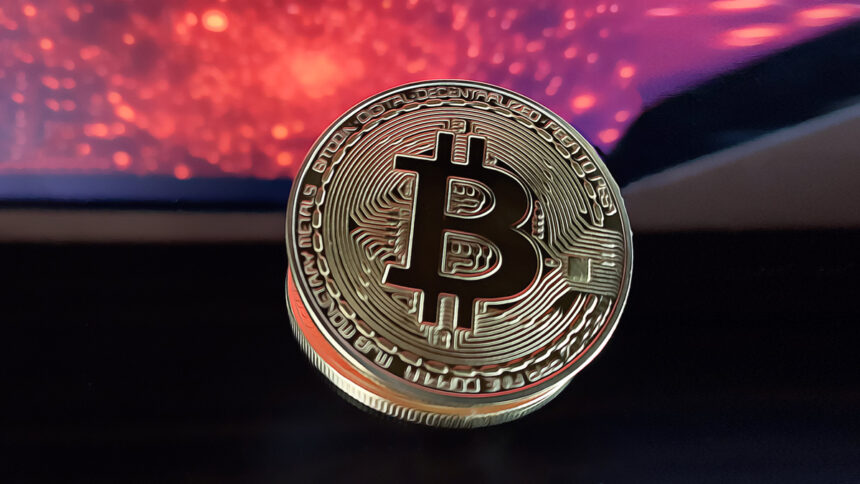
El Salvador’s President, Nayib Bukele, marked the fourth anniversary of the nation’s Bitcoin  $91,081 Law by acquiring 21 Bitcoins, a transaction valued at approximately $2.3 million. This purchase elevated the country’s total Bitcoin assets to 6,313 BTC, which, according to the National Bitcoin Office, equates to a current market value of $701.8 million.
El Salvador’s Growing Bitcoin Asset
In a recent social media post, Bukele announced the acquisition with the words “21 Bitcoin purchased for Bitcoin Day.” Since the law recognizing Bitcoin as an official currency was enacted in September 2021, El Salvador’s Bitcoin holdings have grown significantly. The National Bitcoin Office maintains transparency by publicly documenting these acquisitions, providing real-time insight into the nation’s cryptocurrency strategy.

Recently, the National Bitcoin Office introduced a new method for safeguarding the country’s Bitcoins by dividing them among 14 different addresses. This strategic move aims to enhance the security of El Salvador’s Bitcoin reserves. Additionally, the country’s legislature passed a law last month allowing major financial institutions to offer Bitcoin and other cryptocurrency services to “qualified investors,” marking another significant development in its monetary policy.
Purchases Clash with IMF Agreement
According to information on the National Bitcoin Office’s website, El Salvador continues to purchase one Bitcoin daily. This approach contrasts with an official report presented to the International Monetary Fund (IMF) in July, which indicated a cessation of public sector Bitcoin purchases by February 2024.

President Bukele reaffirmed in March that these acquisitions remain an ongoing commitment, emphasizing the intention to maintain this policy in the future. This statement presents a narrative that conflicts with the official information provided to the IMF by government entities.
El Salvador’s daily Bitcoin acquisitions and symbolic transaction on the law’s anniversary highlight the persistence of its cryptocurrency strategy. However, commitments made under IMF agreements and fluctuating market conditions could potentially lead to differing discussions and evaluations as the situation progresses.