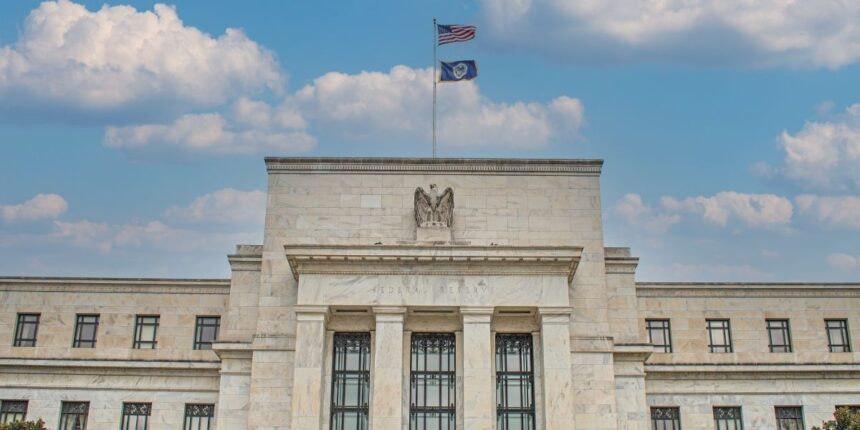
Neel Kashkari, President of the Minneapolis branch of the U.S. Federal Reserve, highlighted the increasing risk of recession facing the national economy. During a recent interview on CNBC, Kashkari expressed concerns about conversations with both small and large businesses in his region. He emphasized how ongoing economic uncertainties are negatively impacting investments.
Impact of Uncertainty on Investments
Kashkari noted the indecision plaguing businesses due to uncertainty about trade tax levels. Many companies are postponing new investments as a result of this unpredictability. He stressed that while firms could adapt to a clearer trade tax policy, the continued negotiations and uncertainties put the economy at risk.
Currently, both businesses and consumers are adopting a wait-and-see approach, which could further harm the economy. The possibility of an unexpected economic recession is becoming a more pressing issue.
Stagflation Concerns
Last week, Austan Goolsbee, President of the Chicago Federal Reserve Bank, voiced similar concerns, indicating that President Donald Trump’s economic policies might lead to an adverse economic climate characterized by stagnant growth, high inflation, and unemployment, commonly known as stagflation.
Austan Goolsbee: “We warn that Trump’s policies could cause a period of economic slowdown with rising prices.”
In this scenario, the biggest challenge for the U.S. Federal Reserve will be confronting persistent inflation alongside weakening economic activity. Kashkari believes that prioritizing the fight against inflation is crucial in such a situation.
Neel Kashkari: “I’m worried about the high inflation persisting in the U.S. and other developed countries for four years. As policymakers, we need to take protective steps to ensure inflation remains around our 2% target.”
Fed’s Decision-Making Process and Potential Steps
Kashkari noted that inflation exceeding expectations over the past four years demonstrates the necessity for increased caution against short-term shocks. He emphasized the importance of considering long-term price stability over one-off trade tax-induced price increases in Fed’s policy decisions.
In this period of rising economic stagnation threat, businesses and consumers are delaying spending and investments due to uncertainties, negatively affecting economic growth. Fed officials are expected to consider both these threats in future policy actions.
The impact of global economic developments on the U.S. economy persists, and the post-pandemic recovery process remains fragile. Changes in trade policies and inflation concerns will continue to dominate economic agendas in the upcoming period.
These warnings about increasing risks in the U.S. economy prompt businesses to act cautiously in their decisions. Trade policy uncertainties and high inflation can affect short-term investment and employment plans. Fed’s policies during this process may play a critical role in maintaining economic stability, while the expectations and behaviors of businesses and consumers are important factors in determining macroeconomic trends.