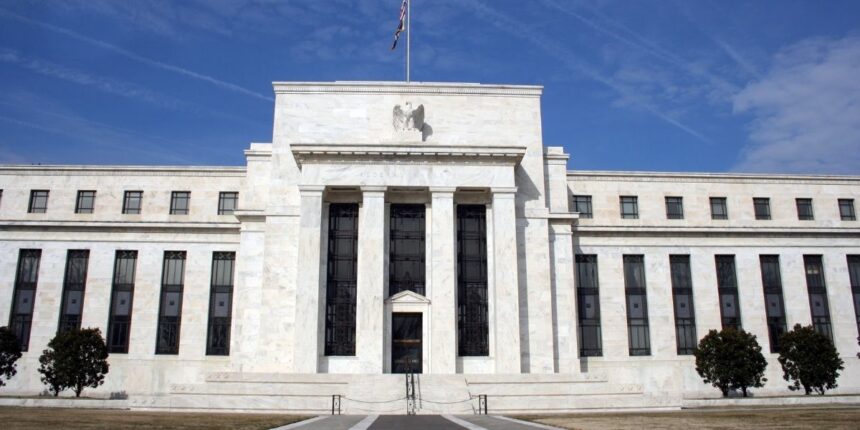
The Beige Book offers a crucial glimpse into the current economic landscape across U.S. states, especially significant this November as many critical reports face closure-induced delays. The newly released Beige Book provides valuable insights, and we promptly delve into its details.
Fed’s Beige Book Overview
As we approach the December interest rate decision, members’ positions have become clearer. The likelihood of a rate cut has increased significantly, exceeding an 80% probability, leading to a market rally. Nonetheless, with the end of Quantitative Tightening, the messages from the Fed’s December meeting will be closely scrutinized. Absent the November discussions around the AI bubble, the past 26 days might have looked quite different. We explore what the Beige Book reveals about inflation concerns and whether employment trends suggest further rate cuts are warranted.
Regional Economic Activity Insights
Some sources within the Beige Book indicate increased risks of slowing activity in the coming months, though there is some optimism among manufacturers. According to most of the twelve Federal Reserve districts, there has been little significant change in economic activity since the previous report, with two districts noting a slight decline and one reporting a slight growth.
During the reporting period, prices exhibited a moderate increase. Wages also saw moderate growth, although certain sectors like manufacturing and construction reported higher pressure.
Despite increased layoff announcements, more regions reported hiring freezes and natural attrition as measures to limit staff numbers rather than outright layoffs.

The report highlights numerous challenges faced by firms due to margin deterioration or tariff-related financial difficulties. Prices for certain materials decreased, attributed to stagnant demand or tariff reductions.
Looking ahead, contacts largely anticipate ongoing cost pressure increases, but plans for price hikes in the near term vary. Inflation remains a minimal issue, appearing generally supportive, with BTC surpassing $90,000. The employment note for New York states moderate economic decline, slight employment reductions amid large employer layoffs, a slowdown in price increases, and resistance in high-end retail spending.

Employment reports reflect a mild decline, with nearly half the regions indicating weakened labor demand. Despite an uptick in layoff announcements, hiring freezes and attritional staff adjustments were more prevalent than layoffs. Some firms adapted work hours to manage unexpected work volumes rather than adjust headcounts.
Moreover, firms noted AI replacing entry-level positions or making existing employees efficient enough to curtail new hires. Most districts reported fewer challenges in finding workers, though some difficulties persist in skilled positions and due to fewer immigrant laborers. Wages grew moderately, but some sectors faced tighter constraints due to labor supply shortages, while rising health insurance premiums continued to push labor costs upward.