President Trump has unilaterally extended the ceasefire, but a second round of negotiations with Iran has yet to begin. While Iran insists it will never abandon its nuclear program or allow it to be used as a bargaining chip, the United States has privately indicated willingness to accept this. However, Iranian officials say talks cannot proceed because key issues, such as the nuclear agenda, the blockade, and several other critical disputes, remain unresolved.
Heightened risk of U.S. military strike
Sources speaking to Axios report that if Iran fails to make a move soon, Trump may authorize a military intervention. According to these sources, the United States Central Command (CENTCOM) has already prepared for a short, intense strike against Iran, which could be launched at a moment’s notice.
Oil markets brace for prolonged blockade
Earlier today, a White House official confirmed that President Trump held discussions with oil industry leaders, including those from Chevron and other energy majors. The consultations focused on how to safeguard oil markets in the event of a protracted blockade. A Chevron spokesperson verified that CEO Mike Wirth joined the talks to assess the fallout of the U.S.-Israel conflict with Iran and its impact on global oil markets.
Current analysis from S&P suggests Brent and WTI (West Texas Intermediate) crude prices must either maintain or exceed their already elevated levels to stabilize the market. Even if the Strait of Hormuz fully reopens, the S&P report projects that the restoration of oil flow would likely be gradual.

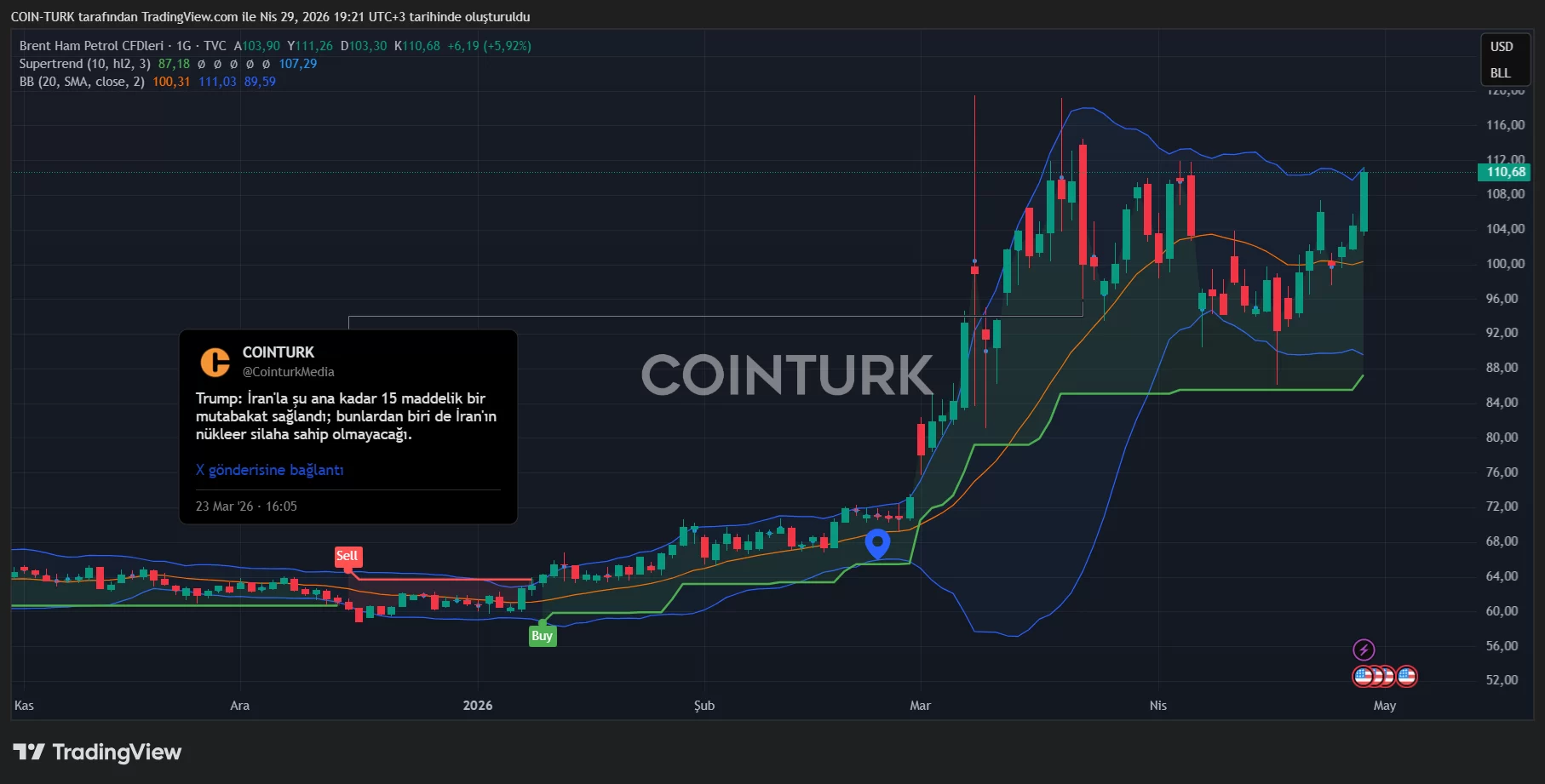
Mounting tensions have pushed oil prices back above $110 per barrel in recent trading, reflecting the market’s growing anxiety over a potential escalation.

Negotiations between the United States and Iran have reached a standstill, despite diplomatic overtures and extended ceasefire measures from the Trump administration. Both parties remain entrenched in their positions, with core disputes unresolved.
Iran has publicly stated it will not compromise on its nuclear program, calling it a matter beyond negotiation. U.S. officials, meanwhile, are signaling flexibility in the background, but this has failed to produce any breakthrough at the negotiation table.
A growing sense of urgency surrounds the prospect of renewed hostilities, with military preparations underway should diplomatic channels break down further. The region remains volatile as leaders attempt to stave off open conflict.
Iranian authorities maintain that the lack of progress on nuclear, blockade, and other significant issues has prevented resumption of talks.
Meanwhile, industry analysts warn that the reopening of vital oil chokepoints, like the Strait of Hormuz, would not immediately resolve supply disruptions. They caution that markets will need time to recover, even under the best circumstances.
As energy executives and policymakers remain on high alert, global investors continue to monitor the situation for any signs of breakthrough or escalation. The focus is now on whether diplomatic efforts can avert a wider conflict in the Middle East.
With the stakes growing higher by the day, all eyes are on the impending decisions from Washington and Tehran—and the volatile energy markets caught in between.