Following the Kelp DAO attack, long-term Ether investors are rapidly withdrawing from staking platforms amid growing fears. The main risk surrounding bridged, wrapped assets lies in the potential exploitation of minting mechanisms—a threat realized yesterday when Kelp DAO fell victim. Attackers managed to mint unauthorized RSETH, leading to losses just shy of $300 million, while more than $5 billion worth of assets rapidly moved in the aftermath.
Aave sees unprecedented capital flight
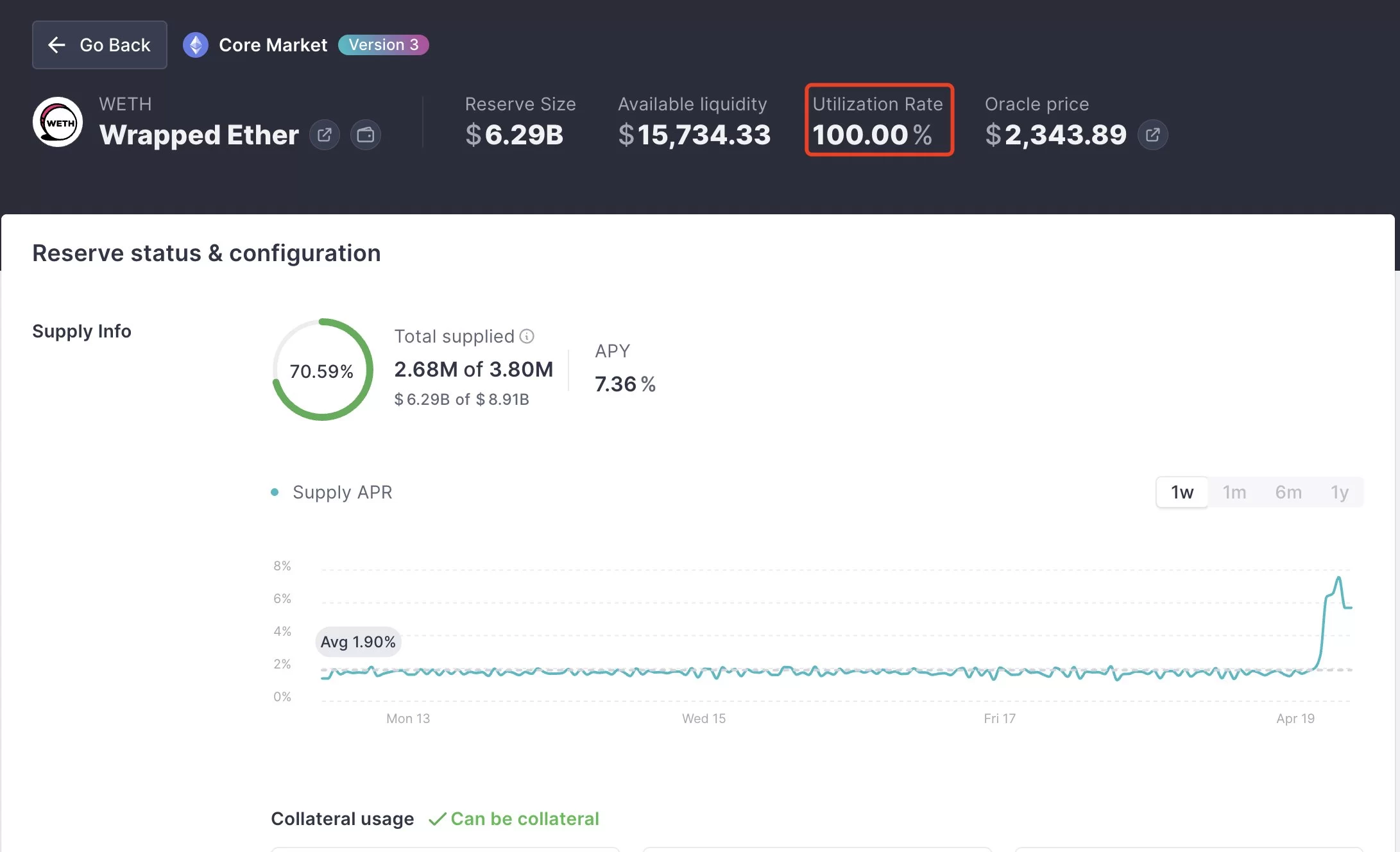
In the wake of the Kelp DAO incident, over $5.4 billion worth of ETH exited Aave, marking one of the largest withdrawals to date. Justin Sun alone pulled out 65,584 ETH, contributing to an exodus that sent Aave’s WETH utilization rates to 100%, effectively freezing the protocol. Much of this capital is migrating to rival Spark, while a significant portion is moving into cold storage as investors seek safety.
Utilization Rate, often referenced on lending protocols like Aave and Compound, serves as a key metric that shows what portion of pool liquidity is currently loaned out. When utilization is low, lenders earn less interest and borrowing is cheaper, signaling ample liquidity. However, passing the 90% mark indicates the pool is rapidly depleting, increasing risks for all participants.
Impact on Aave and altcoins widens
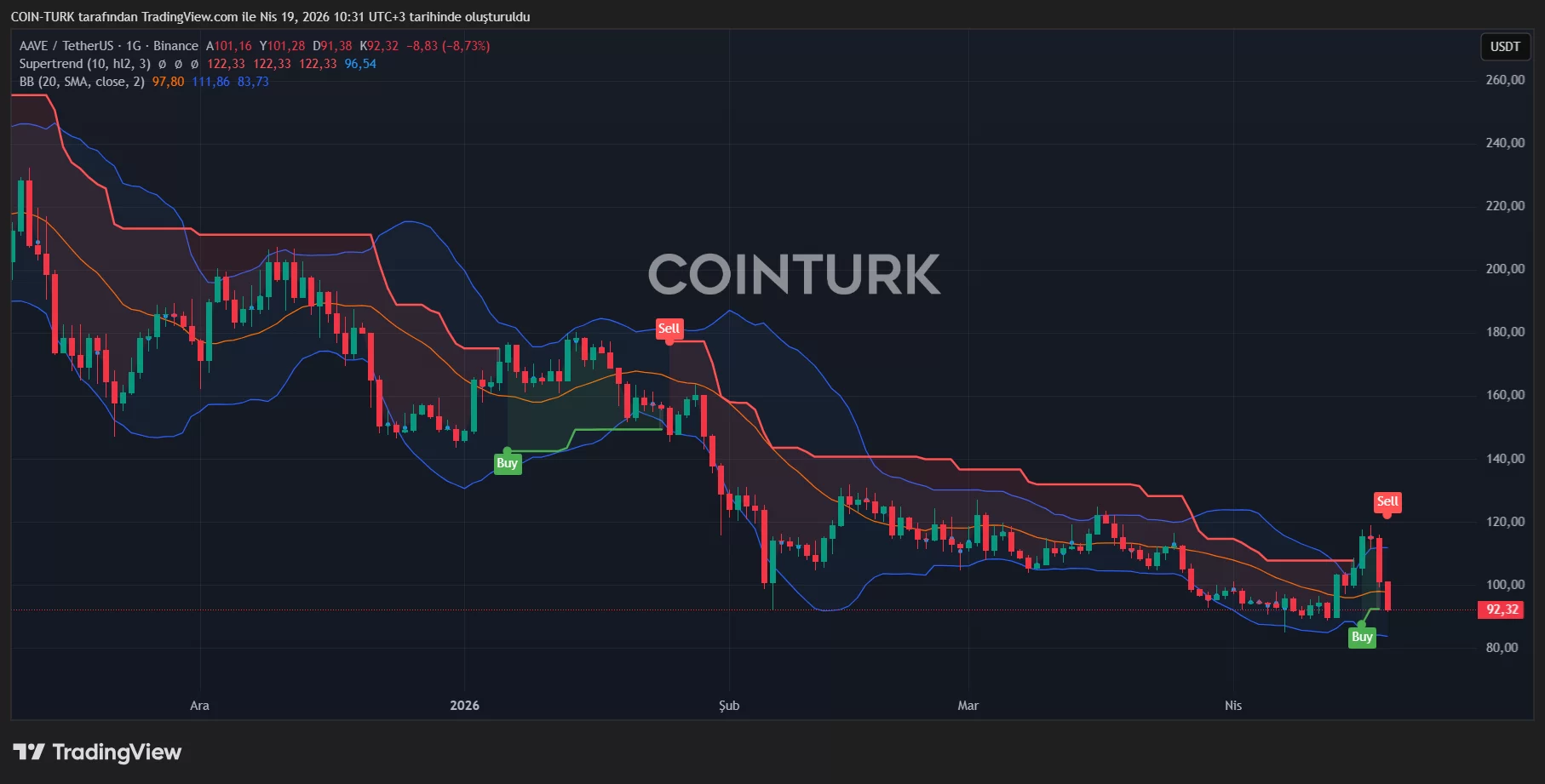
Because the attackers used counterfeit rsETH as collateral to withdraw real WETH from Aave, the platform now faces significant “bad debt” risk. AAVE slumped as low as $92, and further decline is possible in the hours ahead. The day’s events have reignited concerns about the systemic vulnerabilities of yield-generating Ethereum tokens across the broader DeFi landscape.
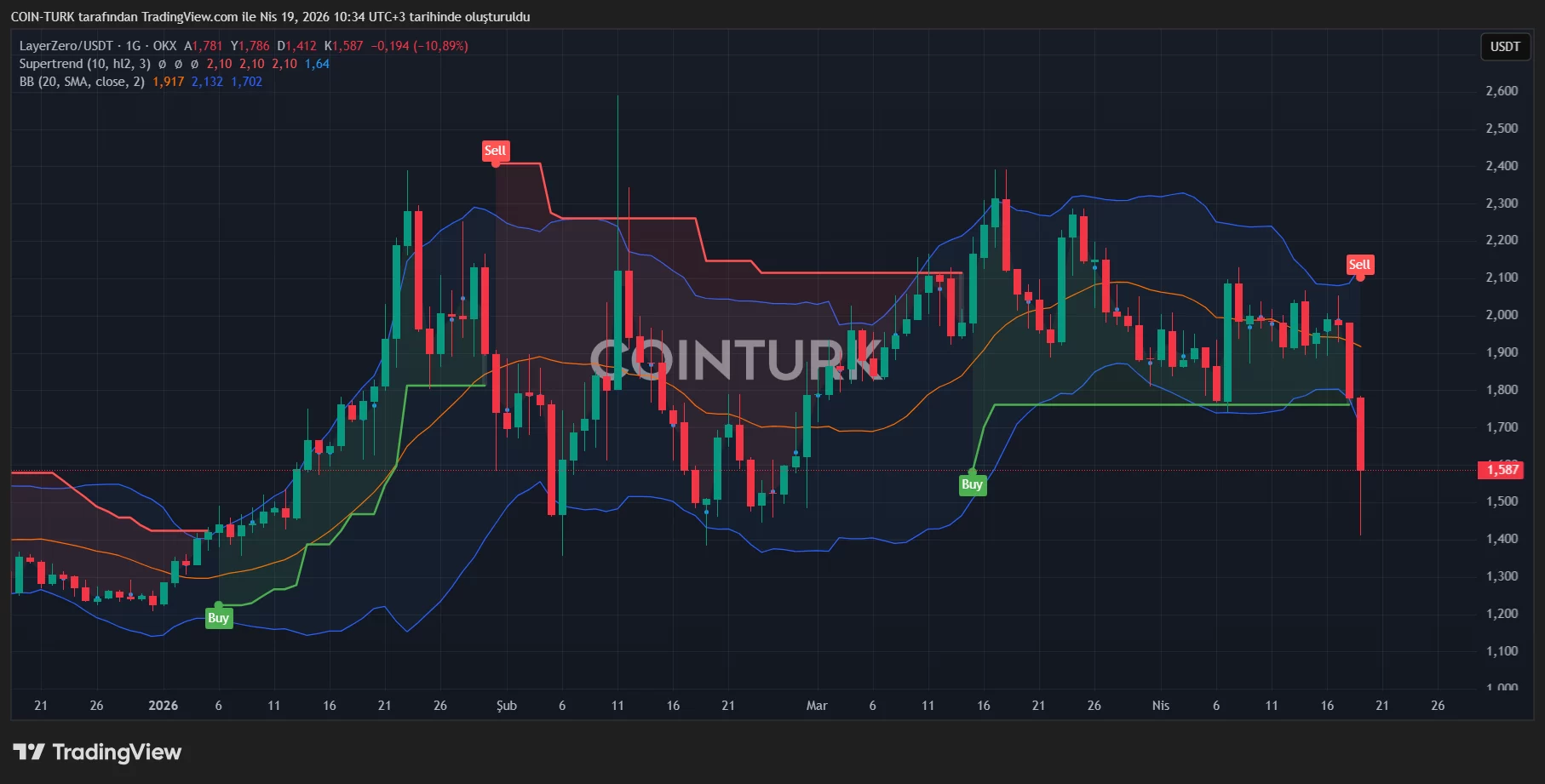
ETH isn’t the only token hit by the fallout; ZRO plunged almost 30% before rebounding slightly. There are claims that the exploit leveraged a flaw—or misconfiguration—in LayerZero’s infrastructure, triggering further selling pressure on ZRO as investor confidence wavers.
As one of the sector’s biggest players, the Kelp DAO incident has dealt a significant blow to the reputation of restake tokens. Even though most protocols haven’t been directly hacked, widespread anxiety is prompting investors to withdraw out of fear that similar vulnerabilities could exist elsewhere. There have been no major depegging events yet, but the situation could escalate.
Kelp DAO ranks among the largest participants in the EigenLayer ecosystem. This has raised further concerns, as instability here could negatively impact EigenLayer’s Total Value Locked (TVL) and restaking landscape, creating possible volatility for EIGEN in the near future.
Ethereum itself is now struggling to hold the $2,300 mark. Already battered in a prolonged bear market, the ecosystem faces yet another stiff test as the vulnerability of staking tokens threatens its broader stability.
A leading DeFi analyst warned, “Investors are increasingly questioning whether any protocol is truly safe after the Kelp DAO exploit, sparking a wave of withdrawals across the sector.”
Observers note that although not every protocol has been compromised, the risk factor is now front-of-mind for even the most seasoned Ethereum backers, adding to broader DeFi uncertainty.
Looking ahead, experts caution that additional withdrawals could further impact liquidity and pricing on major lending platforms, intensifying market volatility.
As the dust settles, both developers and investors face mounting pressure to bolster security protocols and restore trust in the DeFi ecosystem amid growing concerns about the safety of wrapped and restaking assets.