
Tether, the issuer of the world’s largest stablecoin, USDt, has released its financial results for the year 2025. Although the company’s net profit decreased compared to the previous year, its U.S. Treasury holdings soared to a record high. This development has reignited discussions about confidence, liquidity, and reserve strategies within crypto markets, providing valuable insights into the direction of the stablecoin ecosystem.
Profit Declines, Reserves Strengthen
According to a report by accounting firm BDO, published on Friday, Tether achieved a net profit exceeding $10 billion in 2025. This figure represents a 23% decline from the approximately $13 billion profit reported in 2024. The company attributes this drop to more conservative investment preferences and rising operational costs.
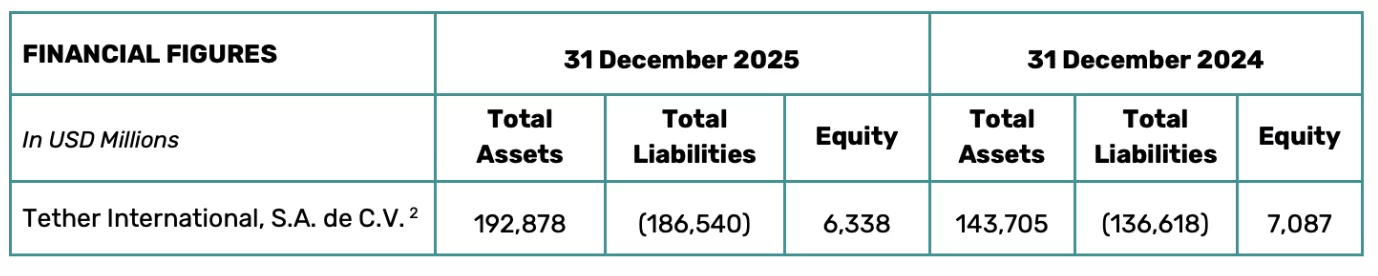
In contrast, Tether’s direct U.S. Treasury holdings surpassed $122 billion in 2025, reaching an all-time high. The company describes this increase as a continued shift towards “high liquidity, low-risk assets.” Considering the volatility of the crypto market, this strategy aims to present Tether’s reserve structure as more transparent and resilient.
CEO Paolo Ardoino highlighted the issuance of approximately $50 billion worth of new USDt over the past year, emphasizing the rapid growth in stablecoin demand, particularly in regions where traditional banking systems are slow or restricted. According to Ardoino, USDt has become a prime example of global dollar demand shifting towards non-bank channels.
USDt Demand and Gold Reserves Highlighted
Tether’s financial health is closely monitored due to USDt’s central role in the crypto ecosystem. Ranking third in market value after Bitcoin and Ether, USDt’s value exceeds $185 billion, according to CoinMarketCap data. This size makes USDt an indispensable tool for exchanges and investors as both a liquidity and collateral resource.
The company is not limited to dollar-backed stablecoins, as it also holds significant reserves for its gold-backed XAUt token. As of September 2025, Tether’s gold exposure reached $12 billion. The 520,000 troy ounces allocated for XAUt equates to approximately 16.2 metric tons, separate from the company’s overall reserves of 130 metric tons of gold. At current prices, the value of this total gold reserve stands at approximately $22 billion.
These developments demonstrate efforts in the stablecoin market to support trust not only with cash and bonds but also with alternative value storage vehicles. Recently, Circle’s more frequent reporting of USDC reserves and the implementation of Europe’s MiCA regulations have accelerated a transparency race in the sector.
In conclusion, Tether’s 2025 performance clearly illustrates the delicate balance between profitability and trust. Despite a decline in profit, record reserves showcase the company’s priority on long-term stability. As the stablecoin market matures, investors are expected to focus more on reserve quality and risk management, not just size.