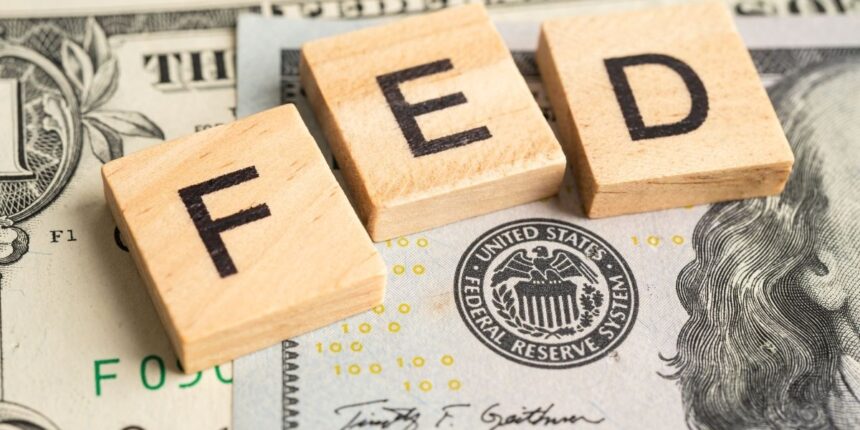
When Trump declared that Powell was lying and acting politically, there was significant backlash. The widely accepted global economic laws were cited as the rationale for not lowering interest rates. However, a look back suggests that Powell may have indeed misrepresented facts or exhibited bias against Trump.
Accusations Against Fed Leadership
Trump claims that discrepancies in employment data were intentional. These discrepancies were notably in favor of Democrats during election periods, while the current discrepancies appear to hinder Trump. If the previously reported Non-Farm Payroll figure had been disclosed as 100,000 less, the Fed may have felt more compelled to lower rates in their July decision.
Since Trump assumed office, there have been seven Fed meetings without any interest rate cuts. Throughout these sessions, the word “tariff” was mentioned 158 times, while meeting minutes recorded it 82 times. Powell and his team have made it clear that tariffs’ inflationary effects necessitated avoiding rate cuts, even at the expense of hampering the economy.
The fiscal burden of tariffs—an estimated $2.1 trillion over ten years—will inevitably affect consumer prices and overall economic costs.
Potential for Rate Cuts
In 2021, as Biden’s American Jobs Plan proposed increasing corporate taxes by $2.1 trillion, there was little discussion about this burden on consumers through inflation. During his tenure until February 2022, these taxes were widely discussed. However, none of the eleven FOMC meetings during this period mentioned these taxes, despite encompassing 106,000 words, with only four references to taxation.

Moreover, Biden’s Build Back Better program was projected to raise taxes by another $1.3 trillion over a decade, yet it received no focus from Powell. Compared to Trump’s legislation, this suggests that Powell might have held a politically influenced stance.
In the periods between 2018 and 2019, assessments indicated that Trump’s initial tariffs did not significantly impact inflation.
According to U.S. data, annual goods inflation was 2.2% in the first quarter, with a 0.2% increase in the second. With tariffs expected to significantly increase goods inflation, these counterbalancing figures show a less dire scenario.
Thus, the Fed could lower interest rates. Assuming Powell’s decisions aren’t politically motivated, this is plausible. Five Fed members have already begun advocating for reductions, with a September cut seeming highly likely.

Upcoming developments and new data may trigger a swift rate cut by 50 basis points, potentially benefiting cryptocurrencies. However, reaching definite conclusions before observing the impact of secondary sanctions on Russia and their effects on oil prices by Friday remains difficult.