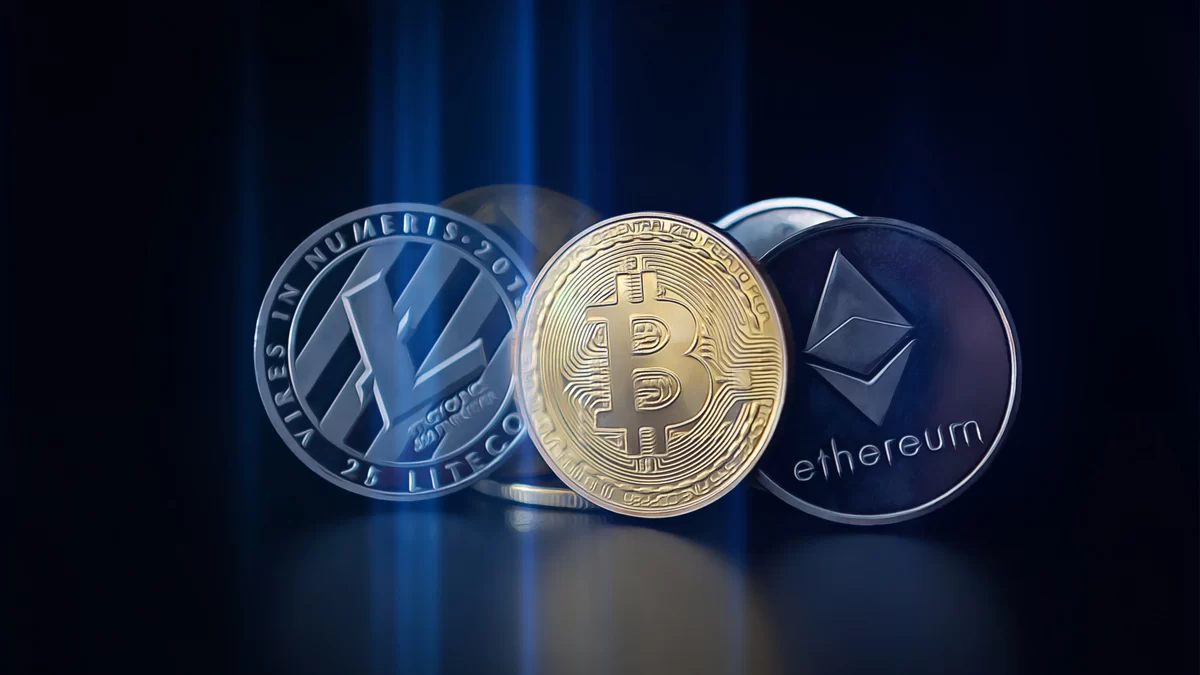
In the next two days, inflation data will present the final hurdle before interest rate cuts in the realm of cryptocurrencies. Producer Price Index (PPI) and Consumer Price Index (CPI) figures are anticipated soon, both crucial in understanding the Federal Reserve’s future interest rate decisions and the tariffs’ impact on inflation. What conditions ensure an optimal environment for cryptocurrencies?
Cryptocurrencies and Inflation Forecasts
Bitcoin  $91,081 hovers around $111,000, yet its closing for the week remains uncertain due to upcoming inflation figures and the consequent pacing of the Federal Reserve’s rate cuts. Employment reports are pressuring the Fed to lower rates, and if tariff effects on inflation appear negligible, the Fed might proceed with bolder actions.
The headline CPI, which tracks price increases in food, energy, and other categories, is expected to rise to 2.9% from a previous 2.7%. Monthly expectations stand at 0.3%, slightly above the prior 0.2%. These figures, if released within or below expectations, suggest a favorable climate for cryptocurrencies, indicating limited tariff impact on inflation.
Insights from Wells Fargo
Lower-than-expected figures could trigger an upswing in sectors tied to interest rates such as gold, Bitcoin, and stocks. This movement could kickstart if the data supports the forecasted two potential rate cuts post-September.
In its recent report, Wells Fargo noted that core inflation accelerated in July, showing broad strength across goods and services, and tariffs weren’t the sole factors stabilizing inflation. This upward trend is expected to continue through August, with core CPI rising 0.3% monthly, maintaining a 3.1% annual rate.

The headline CPI is anticipated to increase 0.3% monthly, reaching 2.9% annually, aided by rising food and energy prices. Earlier in the year, inventory surges allowed firms to adjust prices amidst awaiting tariff impacts, but now, diminished stocks lead to higher tariff costs and persistent goods inflation in the U.S.

Wells Fargo analysts anticipate limited growth in service inflation. Despite moderation in labor market trends, the combination of goods inflation pressures, rising input costs, and steady real incomes suggests a sticky short-term inflation outlook.