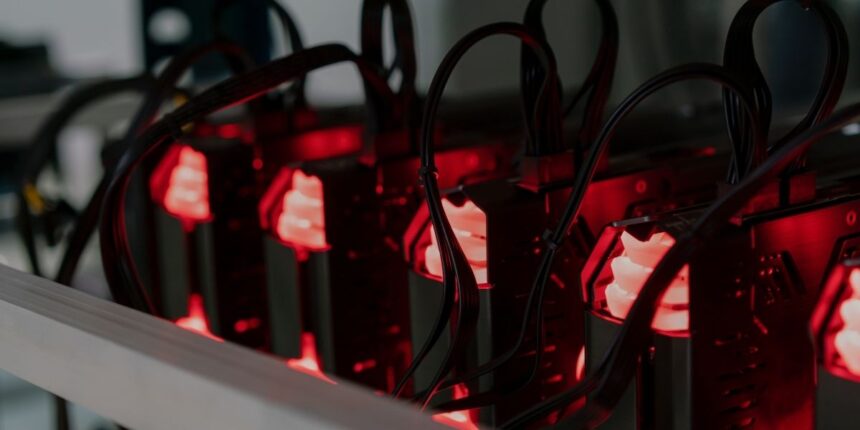
Riot Platforms is catching investors’ attention following commendations from Wall Street firms amid changing dynamics in the industry. As profitability from traditional mining decreases, Riot’s strategic pivot to artificial intelligence and cloud services offers a fresh growth trajectory. This adaptation could shape market performances, attracting analyst upgrades. With the industry transitioning, businesses like Riot are exploring new opportunities to sustain growth.
What Are the Analyst Upgrades?
Riot Platforms received notable ratings enhancements from JPMorgan and Citigroup. JPMorgan shifted Riot’s position to overweight, raising the price target to $19. Meanwhile, Citi moved its rating to a buy with a newly set target of $24, highlighting the company’s growth potential outside its traditional mining endeavors. These firms suggest that Riot’s strategy may provide a competitive advantage in a market experiencing significant shifts.
How Does This Impact Competitors?
While Riot received positive attention, competing companies faced challenges. JPMorgan downgraded IREN to underweight, citing its recent volatile performance despite substantial year-to-date gains. CleanSpark saw a downgrade to neutral although it’s still higher compared to the start of the year. These moves indicate a varied response among mining companies trying to navigate shifting economic landscapes.
Riot’s peers, such as Cipher Mining and MARA Holdings, received mixed assessments from analysts. Cipher Mining maintained a buy recommendation, with its price target doubled to $12, showcasing confidence in its growth outlook. On the other hand, MARA Holdings retained its overweight status, yet its price target experienced a slight reduction, reflecting a balanced perspective on its current market position. These assessments hint at discrepancies within the industry as companies adjust to emerging technologies and market conditions.

 ETH
ETH SOL
SOL BSC
BSC ROBINHOOD
 USDT
USDT AAPL
AAPLHighlighting the projected growth of Riot’s high-performance computing initiatives, JPMorgan analysts assigned a 50% likelihood of securing significant colocation agreements. Such contracts, deemed lucrative, range from $3.7 to $8.6 million per gross megawatt. As companies align towards similar benchmarks, those capturing such deals will likely hold a favorable financial edge.
A spokesperson from Riot noted,
“Our commitment to adapting and integrating advanced computing techniques positions us for future growth.”
This sentiment echoes the strategic shifts taken to stay competitive. The focus is on utilizing opportunities afforded by advancements in technology.
Riot Platforms, leveraging both its name recognition and recent market strategies, could influence how traditional mining companies position themselves going forward. As the business landscape for such entities broadens in response to technology, investors and market analysts may continue realigning focus toward growth opportunities beyond traditional sectors.
In summation, Riot Platforms illustrates a compelling case of adapting within a challenging market environment. The shift toward AI and cloud services offers a glimpse into prospective business models for mining companies. Market participants will likely monitor these strategic maneuvers closely to understand how adept expansion can bridge the gap created by fluctuating mining profitability.