
The fluctuations in technology stocks have resulted in U.S. futures starting the day on a negative note. As of the time of writing, members opposing recent interest rate decisions continue to voice their disagreements. Bitcoin  $82,774 remains stable at $92,000, yet there is no guarantee against a further drop, and a majority speculates that sales might accelerate an hour before the stock markets open.
Current Trends in Cryptocurrency
Today, data on employment and unemployment was supposed to be released but has been delayed due to a disrupted schedule caused by a shutdown. Nasdaq 100 contracts fell by 0.5% at the opening, while Broadcom took a 5% hit in pre-market trades due to sales forecasts failing to meet overly optimistic expectations.
Despite S&P 500 futures closing at a record high in the previous session, they opened lower today. It remains uncertain if these sales are temporary, but many investors interpret the Fed’s recent decision as a sign of continuing the rate cut cycle, maintaining hopes of a year-end rally. Gold continues its rise for the fourth day, silver is near its all-time high, and oil has rebounded from a two-month low.
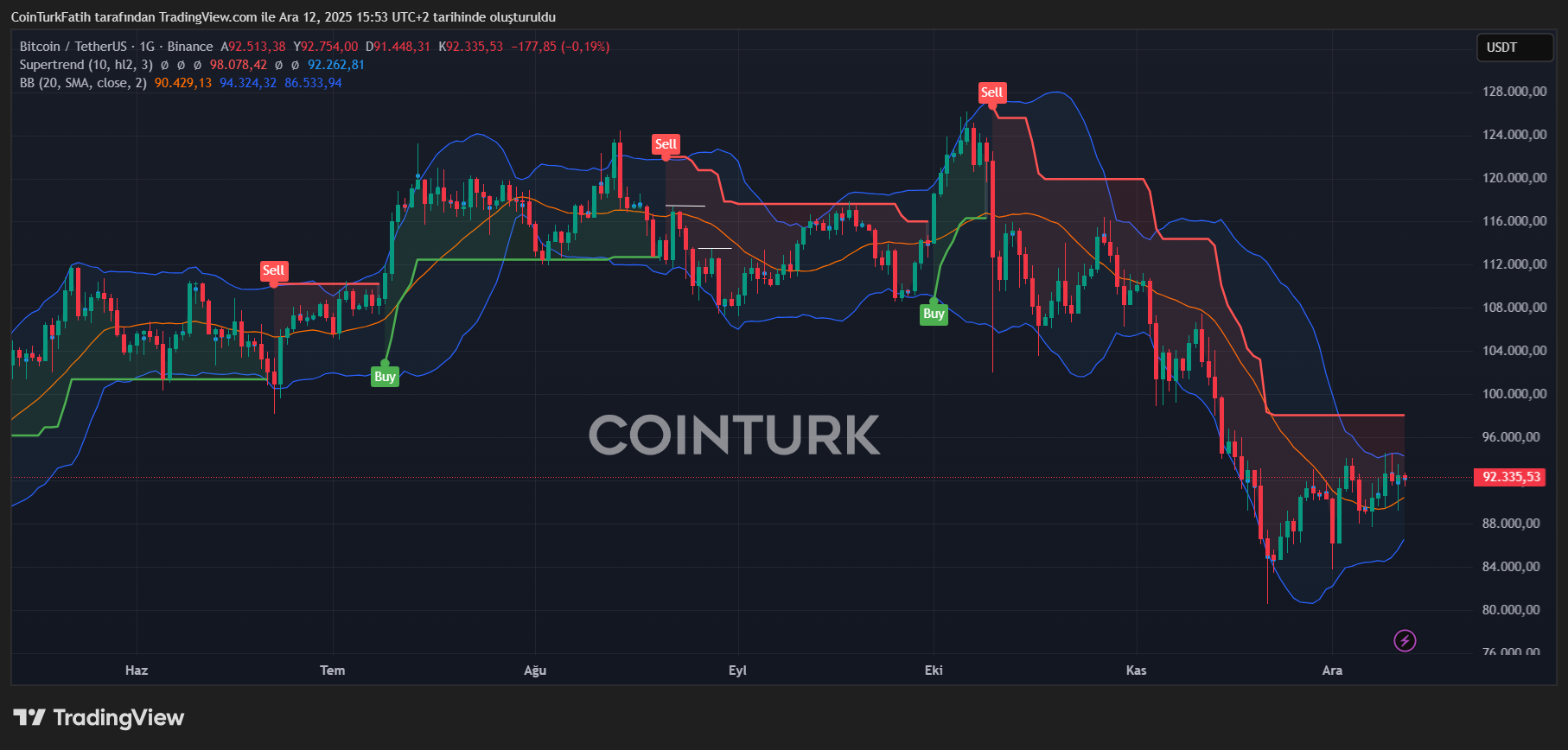
Throughout the day, Hammack, Goolsbee, and Paulson will make statements about the economy. At 21:30, Trump may speak at an oath ceremony, and at 23:00, we expect him to make remarks while signing a bill. The performance of U.S. stock markets today could dictate how the weekend begins, making the fluctuations starting at 17:30 significant.
Why Interest Rate Cuts Might Not Be the Right Move
Jeff Schmid opposes the last two interest rate cuts, with Goolsbee not leaving him alone in dissent this time. Fed member Hammack, at the time of writing, criticized Miran’s overly dovish stance, stating that “one of the Fed members still operates connected to the White House, which is unusual.” Miran’s term ends in January, and whether he will permanently move to the Fed remains uncertain.
Schmid published his dissent recently and highlights the importance of understanding why 7 out of 19 members do not want a rate cut in 2026. The Fed is significantly divided, and continued division may lead to very limited easing in 2026. In summary, Schmid opined that there had been little change since the last Federal Open Market Committee meeting, the economy maintains its momentum, and the labor market, although cooling, remains mostly balanced.
According to Schmid, the current monetary policy stance is only moderately restrictive. He preferred keeping the policy rate target unchanged at this week’s meeting. Schmid’s assessments reveal persistent inflation worries and warn against complacency regarding inflation credibility.
Ultimately, Schmid concluded that he would assess monetary policy restrictiveness based on economic data and regional insights, observing a robust economy and high inflation, indicating the policy is not overly restrictive.