
As this article was being prepared, major players were issuing statements while Iran promptly denied the latest claims of dialogue. International ratings agency Fitch Ratings highlighted that a prolonged conflict could pose new demand risks for U.S. companies. Meanwhile, concerns over stagflation have mounted, and the much-anticipated April 6 deadline is now appearing increasingly irrelevant.
The White House and NATO frustrations
U.S. Secretary of State Marco Rubio voiced his disappointment with NATO’s role during the current standoff, underlining a sense of letdown that has deepened throughout the process. Former President Donald Trump, for his part, indicated that he would bring up NATO’s actions during these days when the timing is right, suggesting he would not let the organization’s perceived shortcomings go unaddressed in future discussions.
“America has been disappointed by NATO’s cooperation regarding the Iran war situation. After the conflict with Iran, everything will need to be reconsidered. The war in Iran will end once U.S. objectives there are achieved,” Rubio said.
White House communications
White House spokesperson Leslie Leavitt expanded on the administration’s position in a series of ongoing remarks. According to Leavitt, every successive attack gives the U.S. greater leverage over Iran. She suggested there is a difference between what the U.S. publicly discloses and what is exchanged behind closed doors. Leavitt noted that American officials perceive a willingness among other factions within Iran to keep dialogue open, affirming that talks are underway and progressing. However, she emphasized that all private assurances made by Iran would be rigorously tested as events unfold. Leavitt added that, regarding Iran’s new administration, the atmosphere in backroom negotiations appears somewhat more reasonable than what is portrayed publicly.
“With every attack, the U.S. strengthens its influence over Iran. There is a disconnect between what is shared with the public and what is communicated to us privately. Some factions in Iran appear willing to negotiate; the talks are ongoing and seem promising. Anything Iran asserts privately will be scrutinized. Behind closed doors, Iran’s new leadership seems more pragmatic,” Leavitt said.
Meanwhile, Iran’s Foreign Ministry spokesperson provided a swift response at 19:19, firmly rejecting reports of negotiations. The spokesperson confirmed that Iran had received the U.S. offer to talk through intermediaries but found such proposals excessive and unreasonable. Iran stated it would not take part in any meetings about the war led by Pakistan.
“Iran received messages from the U.S. about its request for dialogue through mediators, but we considered these demands excessive and unreasonable and have rejected them. Iran is not participating in any Pakistan-led meetings related to the conflict,” the official commented.
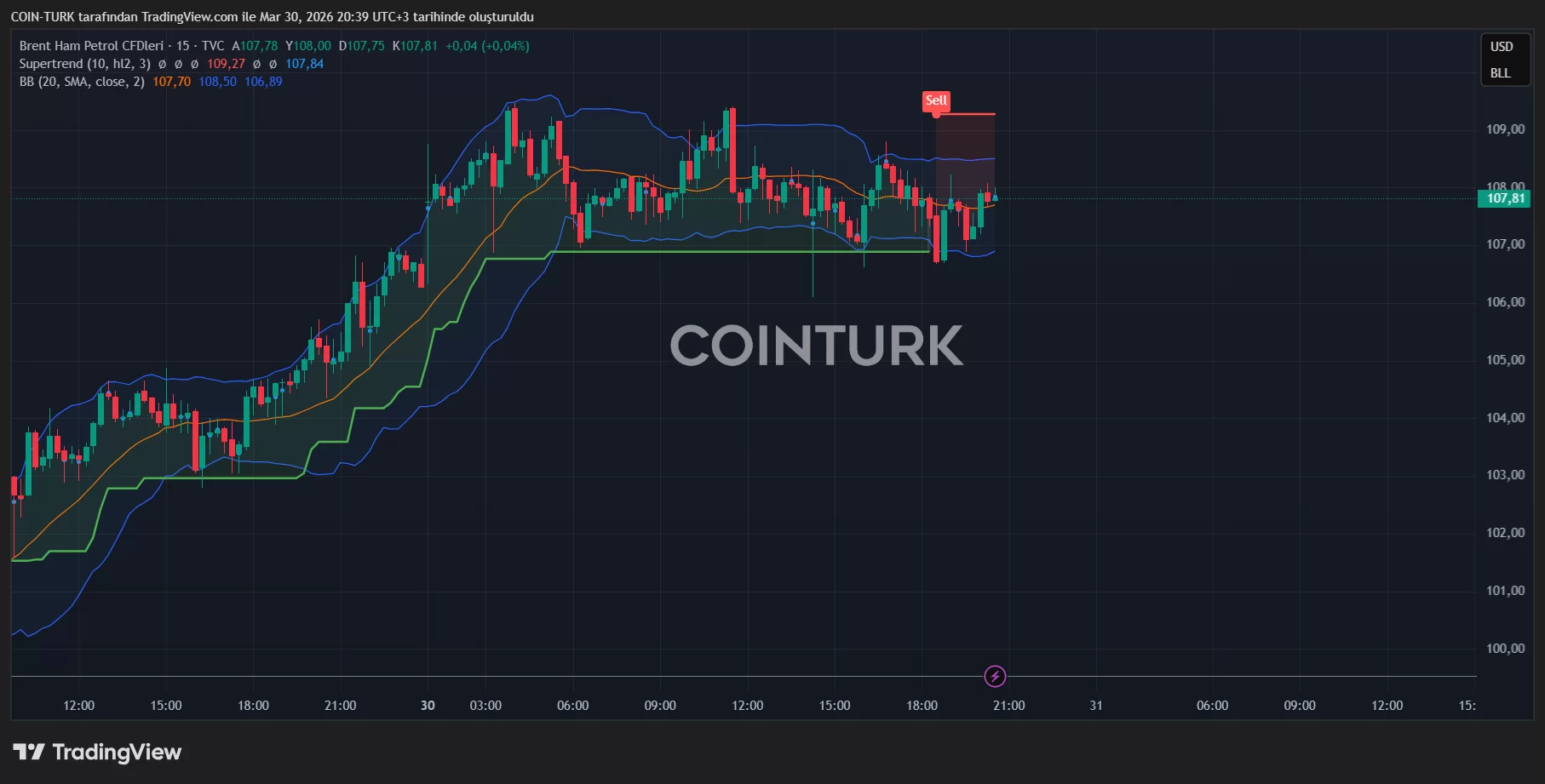
The market’s reaction to these announcements has been visible on oil charts, as analysts note. Despite speculation over possible or failed negotiations, petroleum prices continue to move sideways, indicating that traders are largely unphased by fluctuating reports on diplomatic progress or deadlock.
White House spokesperson Leavitt reiterated the Pentagon’s estimate that the war in Iran could last another 4 to 6 weeks. According to ongoing briefings, Trump is reportedly considering requesting financial support from Arab nations to help cover combat expenses. With both mounting losses from attacks and the growing likelihood of being asked to fund U.S. operations, Gulf countries seem poised to bear substantial costs from this conflict—making them, arguably, among its largest financial losers.