
Illinois Governor and Attorney General have been engaged in a prolonged campaign against crypto-based prediction markets. Before Donald Trump assumed office, the U.S. Commodity Futures Trading Commission (CFTC) was already taking steps against these markets. However, Trump’s arrival in the White House led to a dramatic shift in the regulatory landscape; the dynamics have essentially been reversed.
Federal authorities challenge state intervention
The CFTC and the U.S. Department of Justice (DOJ) have now filed suit against the State of Illinois, its Governor, and Attorney General, contesting their attempts to regulate crypto-based prediction platforms. The federal complaint asserts that Illinois officials lack the authority to take action in this domain. Illinois Attorney General Kwame Raoul contended that platforms such as Polymarket are facilitating illegal gambling under state law. He argued the nature of the platforms’ activities—ranging from political outcomes to sports results—fall squarely within the state’s anti-gambling statutes, a position that, in his view, finds support in similar global regulatory frameworks.
Decades-old laws versus evolving technology
In response to the proliferation of these prediction market platforms, Illinois authorities issued formal cease-and-desist notices, directing operators to halt service to state residents or risk legal consequences. The battle has now escalated, with the CFTC and DOJ initiating legal proceedings against Illinois officials who have launched aggressive enforcement actions. Although the state cites both the 1819-era “Loss Recovery Act” and modern gambling regulations to claim regulatory jurisdiction, the CFTC argues that the use of such statutes exceeds the authority of state officials in the context of federally regulated financial markets.
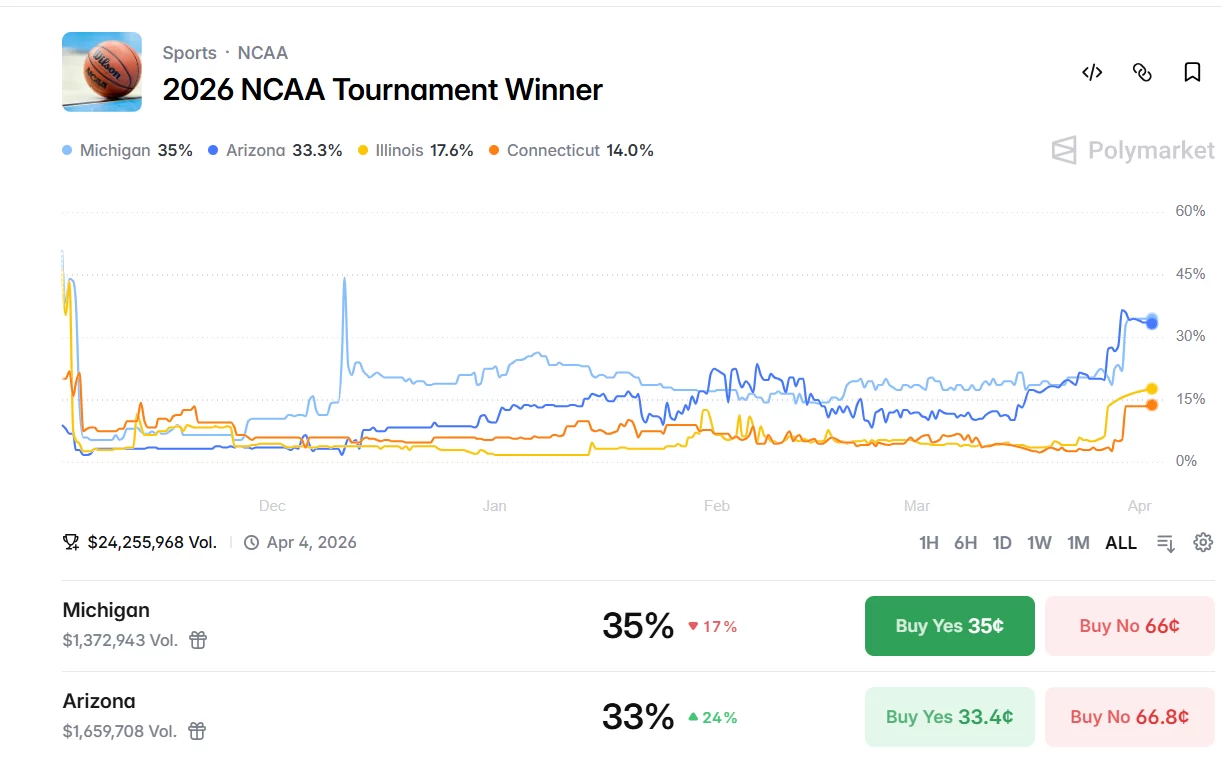
According to CFTC Chair Michael Selig, contracts established on these platforms—whether linked to election results or sports scores—constitute “event contracts” under federal law. Selig maintains that these are properly classified as federally regulated financial derivatives, not instruments of gambling, setting up a direct confrontation between state and federal interpretations of legality.
Illinois officials counter that these platforms, by design, enable forms of wagering that state law expressly forbids. Leveraging both their longstanding anti-gambling statutes and contemporary legislation, state authorities have portrayed their enforcement moves as consistent with the obligation to protect residents from unregulated gaming activities disguised through novel technology.
This escalating dispute underscores a broader, nationwide tension regarding who should govern emerging digital markets—especially as cryptocurrencies and blockchain-backed contracts blur the boundaries traditionally separating gambling from regulated finance. Experts note that the clash is likely to provide a precedent-setting test for the extent of state and federal powers over the crypto economy.
The DOJ’s involvement signals the seriousness of the standoff, as federal lawyers argue states risk undermining federally established market protocols by deploying age-old statutes against modern digital platforms. Should the federal position prevail, the regulatory approach to prediction markets could shift, possibly prompting additional states to reassess the scope of their enforcement authority in the evolving financial technology sector.
As the case moves through the courts, market participants, legal observers, and technology companies await clarification on the reach of state versus federal oversight of crypto-driven prediction markets. The outcome could have widespread implications for the future regulation of decentralized finance, where technological innovation continues to challenge existing legal frameworks.