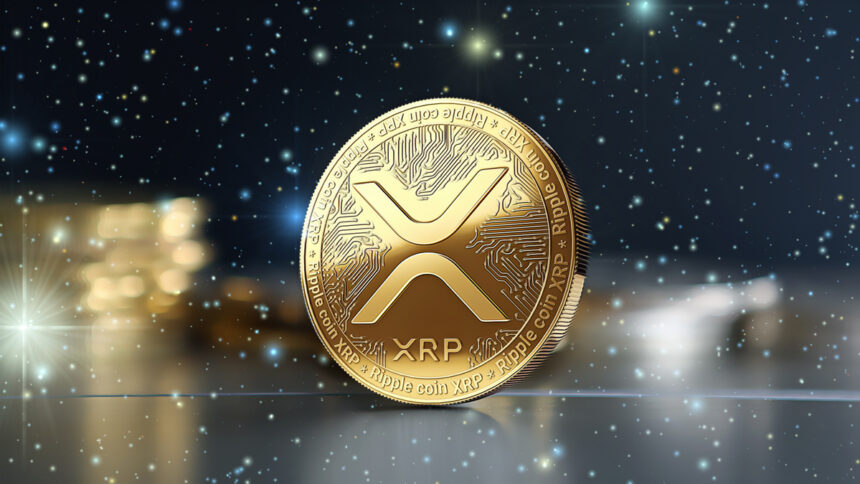
The partnership between the US-based payment giant American Express (Amex) and Ripple  $1 stands as a testament to the profound impact blockchain technology can have on the traditional financial world. This collaboration highlights a shift in global finance from mere experimentation with blockchain to tangible real-world applications. Ripple’s technology facilitates instantaneous, low-cost, and transparent international money transfers, making it an indispensable solution for banks and payment providers.
Amex’s Trust in the Ripple Network
According to crypto researcher SMQKE, American Express frequently utilizes Ripple’s blockchain infrastructure. This information underscores the fact that blockchain technology is progressing beyond trials, becoming a mainstay in actual transactions. By conducting transactions through Ripple, American Express aims for faster settlements, reduced transaction costs, and increased transparency in international money flows.

This step materializes Ripple’s long-term vision of a “blockchain-based financial network connecting institutions, banks, and businesses.” The integration of a well-established entity like Amex into this framework further solidifies the notion that blockchain-based finance has transitioned from a niche area to a mainstream option.
XRP Challenges the Critical $2.50 Threshold
Market analyst Innovator of Africa expressed optimism for XRP’s price: “This is the last stop at $2.50; the ascent will continue from here.” This forecast generated a renewed wave of optimism among XRP investors.
Technically, the $2.50 level serves as a robust support point, allowing buyers to re-position themselves. XRP’s consolidation at a low volume at this level could trigger a rapid ascent in case of a breakout. As of the report’s preparation, XRP traded at $2.45, according to CoinGecko data.
Recent agreements with European fintech companies and an expansion in licensed services outside the US have bolstered this technical outlook. Additionally, the initiation of instantaneous money transfers to the Philippines via RippleNet by Japan-based SBI Remit last month has contributed to the ecosystem’s growth.
American Express’s adoption of Ripple’s infrastructure has reemphasized blockchain’s permanence in the financial sector. It’s evident that traditional institutions are embracing such technologies not just for testing but as active participants. While XRP’s price may gain strength from these shifts, investors should also closely monitor regulatory developments and general market conditions.