
As the weekend approached, Bitcoin’s ability to hold the $70,000 threshold came under serious pressure. The loss of this crucial support level has set a cautious tone for the cryptocurrency market, particularly altcoins, heading into the coming days. Meanwhile, broader economic anxieties are mounting as oil prices surge—a move feeding global inflationary fears, while geopolitical tensions remain at a simmer. Anxious investors and central banks now confront an environment marked by uncertainty and shifting expectations, with a key eye on commentary from Federal Reserve Governor Christopher Waller.
Cryptocurrency Slide Intensifies
Government bonds and equities reflected growing risk aversion throughout the week. The yield on the 10-year US Treasury note climbed by three basis points to 4.17%, on track for its biggest weekly jump since April. US stock futures also stumbled, with the S&P 500 contracts dropping 0.5%. Adding fuel to the fire, US authorities announced forthcoming export license restrictions on AI chips from NVIDIA and AMD, a development that further soured the mood in risk assets.
European markets fared no better. The pan-European Stoxx 600 index recorded its steepest weekly drop since April, falling 0.8% for the day and clocking a 5.4% cumulative decline for the week. Investors across Europe grew wary as soaring energy prices and galloping inflation clouded the market outlook. Confidence in an imminent interest rate cut from the Bank of England faded, and money markets now anticipate the European Central Bank (ECB) increasing borrowing costs this year—a sharp turnaround from expectations just a week prior when a rate cut seemed likely.
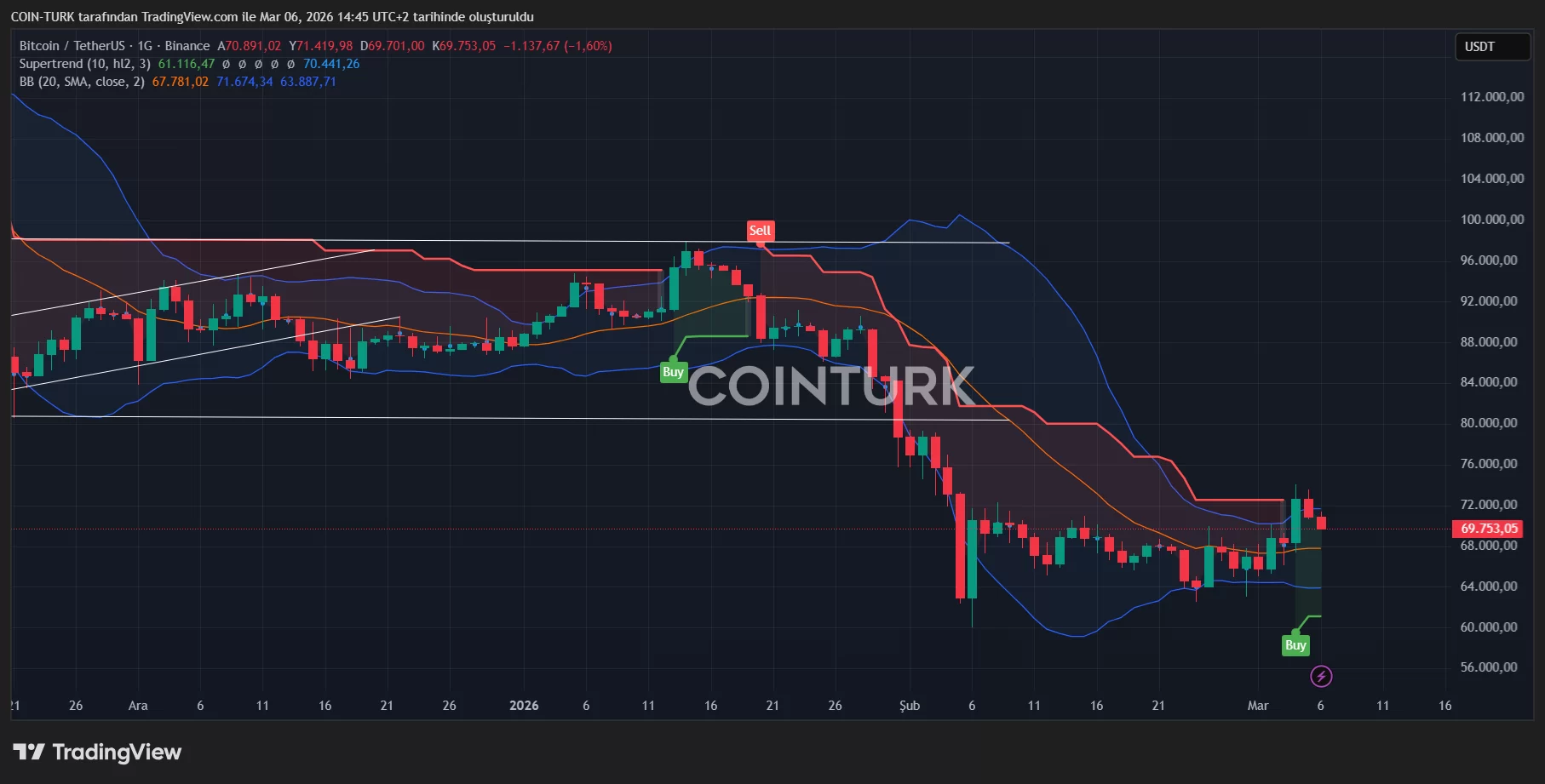
The $70,300 mark served as a pivotal barrier for Bitcoin’s hopes of reclaiming the $75,000 region. With recent closes slipping below this threshold, analysts now warn that the cryptocurrency could drift towards $68,500 over the weekend. Should accelerated selling take hold, attention will quickly shift to the $66,000–$63,000 range. Those who viewed the recent peak as an ideal short-selling opportunity might once again be vindicated by unfolding market action.
Geopolitics also factored into the week’s turbulence. Iranian President Pezeshkian addressed mediation efforts, emphasizing his country’s intent to act decisively in defending its national honor if provoked by other parties seeking to broker peace.
Compounding inflation concerns, Qatar’s Energy Minister projected that oil prices could surge to $150 per barrel within the next two to three weeks. Such a scenario would have profound implications for the global inflation landscape through 2026 and beyond.
Federal Reserve Offers Cautious Outlook
Against this volatile backdrop, Federal Reserve Governor Christopher Waller provided key insights on how ongoing wars and energy shocks may affect inflation and monetary policy. Waller, who also expects the January US employment report to be revised downward, elaborated on the uncertainties confronting central bankers as they weigh the fallout from global disruptions.
If energy prices recover quickly over the next few weeks or months, that could present challenges for the Fed. But if the surge persists, broader repercussions are likely. In the 1970s, energy shocks arrived in waves, and prices never truly came back down.
I am almost certain that January’s employment figures will be revised downward. Employment growth appeared concentrated during the month, which did not provide much reassurance about the overall strength of the economy.
Steady job gains would justify keeping Fed policy on hold for now. The real question is: why would the Fed wait if employment data start disappointing? March’s meeting could move in either direction, depending on upcoming figures. For now, I see most tariff risks leaning to the downside.
Currently, I do not believe tariff-induced price risks are particularly elevated. Upcoming high PCE inflation data and solid employment reports will likely support a wait-and-see stance for the Fed.