As Bitcoin surged past the $80,000 mark, alarm bells rang across the United Arab Emirates amid renewed military action from Iran. The resumption of attacks in the region by Iran, on top of stalled negotiations with the United States, has added another layer of complexity to an already volatile environment. While Bitcoin has so far weathered these developments, continued hostilities could spark greater fear and market turbulence in the coming hours.
Rising geopolitical risks shake crypto and global markets
Geopolitical tensions remain the most immediate concern for cryptocurrency markets. The ongoing conflict in the Middle East, with Iran stepping up aggressive actions, has kept oil prices in triple-digit territory. This surge in energy prices is impacting a wide spectrum of assets, including gold and digital currencies. Central banks, already grappling with rising inflation, may now face the prospect of raising interest rates rather than cutting them, as previously hoped. The attack in the emirate of Fudayre sparked a fire at an industrial oil facility, further fueling market anxieties.
Iran’s latest moves heighten global unease
According to the United Arab Emirates Ministry of Defense, three missiles fired from Iran were intercepted. At the same time, the Fudayre emirate announced that efforts to control a fire in the region’s oil sector were ongoing. As the situation unfolded, a spokesperson for Iran’s Revolutionary Guard warned that any ships violating the rules in the Strait of Hormuz would be stopped—signaling a serious threat to commercial shipping in one of the world’s most vital waterways. Just two hours earlier, analyst Bessent had asserted that the US had the Strait under control, illustrating how quickly the strategic scenario can shift.
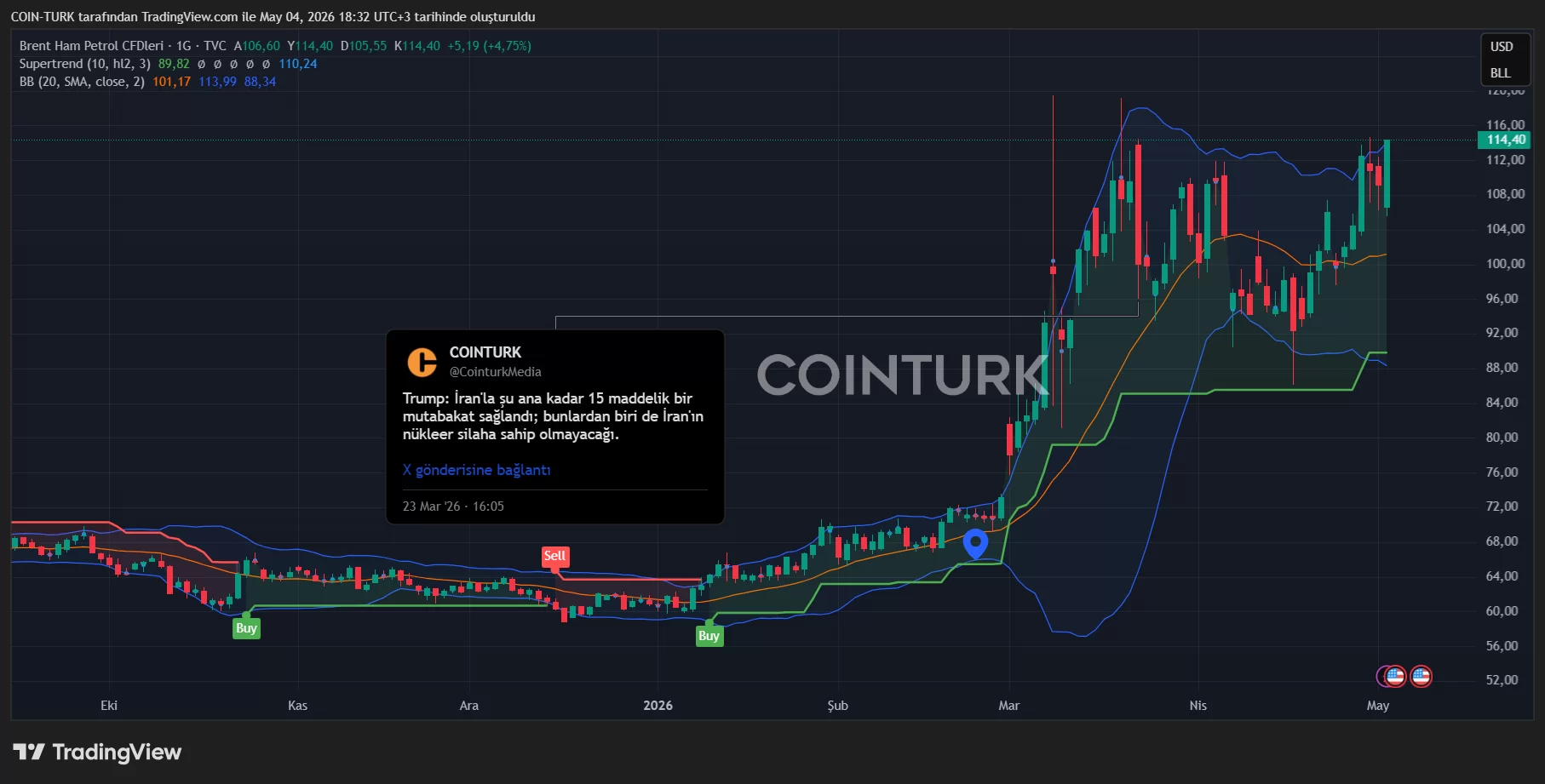
In the wake of these developments, the US Dollar Index (DXY) jumped to 98.42, while the S&P 500 tested the 7,200 level. Oil prices also spiked, with USOIL rising by approximately $1.50, underscoring the ripple effects across financial markets.
Investors are now weighing the potential for further conflict in the Gulf region, and how this could impact everything from commodities to cryptocurrencies. The immediate future appears tense, with many market participants adopting a wait-and-see approach as events unfold.
In the midst of these uncertainties, Bitcoin’s resilience has so far stood out. However, the prospect of drawn-out hostilities or escalation could change the mood rapidly, with risk aversion potentially taking hold across asset classes.
The attack on infrastructure in the UAE adds pressure on regional governments and international actors to respond. The interconnectedness between geopolitical risk and asset price volatility is now in sharper focus than ever for traders and institutional investors worldwide.
Market analysts caution that the direction of BTC, oil, and equities will hinge on both political developments and central bank policy shifts in the days ahead. The Middle East remains a key driver for short-term moves in both traditional and digital asset markets.
As central banks confront higher inflation and geopolitical disruptions, expectations of imminent interest rate cuts have dissipated. Instead, the debate now centers on how much further monetary tightening may be required if tensions persist and commodity prices stay elevated.
In comments following the events, a spokesperson for the Emirati Ministry of Defense highlighted the successful interception of missiles and ongoing fire-fighting efforts, while Iran’s Revolutionary Guard signaled a tougher stance in the Strait of Hormuz.
With markets sensitive to every development, all eyes are now on both the Gulf geopolitical corridor and digital currencies like Bitcoin, as investors brace for potential volatility ahead.