In South Korea, Bitcoin (BTC)  $82,774 is trading at a premium of 8.24% compared to global markets, marking the highest level recorded in the past ten months. This increase coincides with renewed concerns over a global trade war following U.S. President Donald Trump’s announcement of heavy tariffs on Canada, Mexico, and China. The cryptocurrency market has seen liquidations totaling $2.2 billion in the last 24 hours, with South Korean investors driving up demand for Bitcoin and contributing significantly to the price premium.
What is Kimchi Premium?
The term “kimchi premium” refers to the phenomenon where Bitcoin is traded at higher prices on South Korean exchanges compared to global platforms. This situation arises due to South Korea’s capital controls, which restrict access for foreign investors. Local investors face the risk of penalties when purchasing cryptocurrencies from international exchanges to take advantage of these arbitrage opportunities.
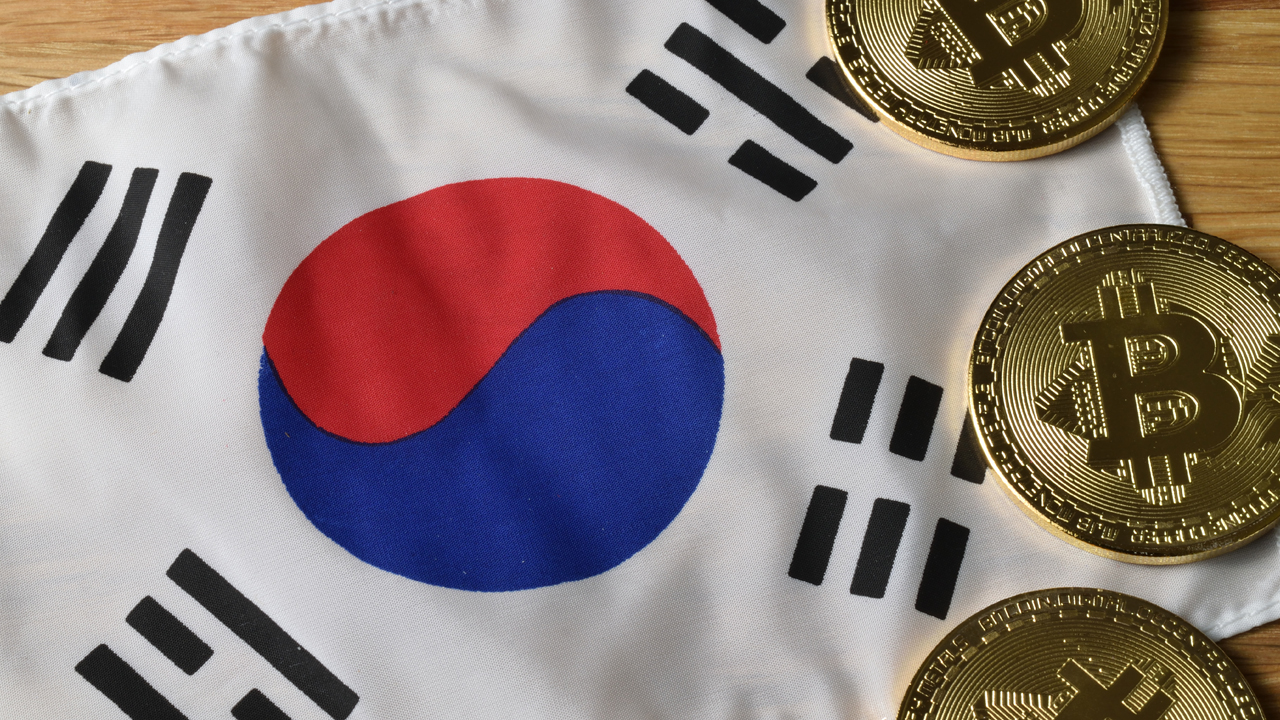
On April 14, 2024, the premium rate peaked at 13%, but it has since stabilized at 8.24%. Experts emphasize that the closed nature of the South Korean cryptocurrency market to external factors has deepened the price differential. Particularly in a country with high altcoin trading activity, exchanges like Upbit rank prominently in global trading volume.
Market Analysis and Expectations
Presto Research Analyst Min Jung noted, “The kimchi premium tends to increase during bull markets but can also rise during panic selling.” Jung suggests that if selling pressure from U.S. investors continues, the premium may remain elevated. Historical data shows the premium generally fluctuates around 5%, with expectations for it to normalize should the market recover.
Trump’s tax policies have triggered inflation and trade war concerns, negatively impacting the cryptocurrency market. However, robust local demand in South Korea has helped keep prices relatively stable despite the selling wave. According to data, Upbit ranked as the world’s fourth-largest exchange in January with a trading volume of $187 billion.