As Bitcoin stubbornly clings to the $67,000 level in the tense countdown to the release of the Federal Reserve’s meeting minutes, Coinbase has shaken up the crypto landscape with a major announcement. The company has launched its own code library for its proprietary layer2 solution, a bold step that could spell trouble for OP Coin investors. In recent years, Coinbase has sought to diversify its income streams—even launching its own layer2 network—but this latest move marks a potential turning point for established industry partnerships.
Base Network Breaks Away from Optimism Stack
The OP Coin price has taken a hit today, dropping 4% amidst the uncertainty. Coinbase’s Base network will distance itself from the Optimism Stack, the backbone it has relied on since inception, and instead build out its own infrastructure. In previous agreements, Base had committed to sharing a portion of its revenues with the Optimism Collective treasury. Specifically, Base contributed either 2.5% of its gross revenue or 15% of its net profits—after L1 expenses—whichever was greater, to Optimism. According to 2025 figures, Base single-handedly generated around 71% of the total sequencer revenue within the Superchain, the wider Optimism ecosystem.
OP Treasury Faces Revenue Loss
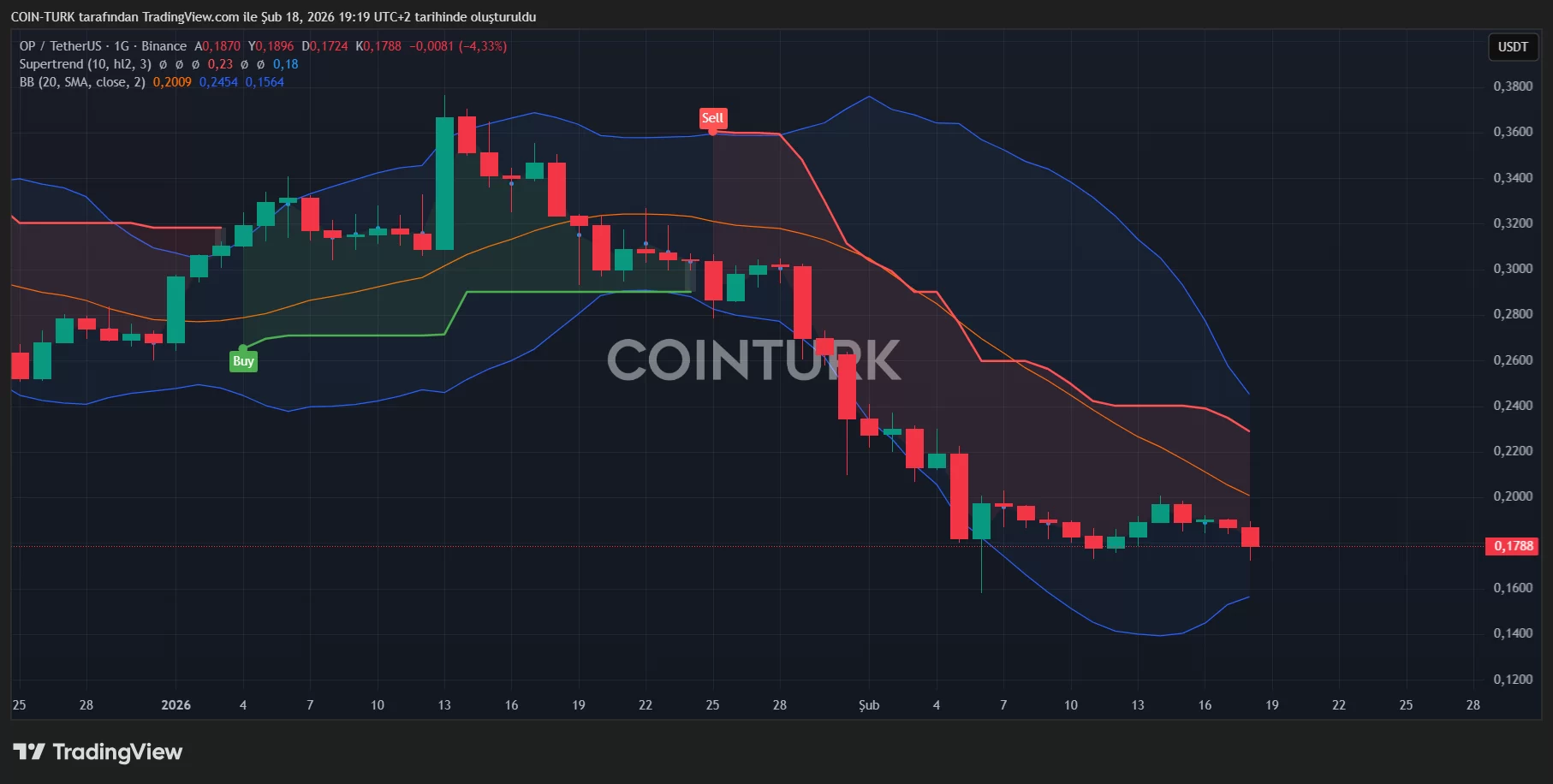
With the transition to a “Unified Base Stack,” Base is establishing a fully independent technical stack, a move that opens the door for renegotiation—or even cessation—of its revenue-sharing arrangement with Optimism. Should Base ultimately part ways with the Superchain, the OP treasury stands to lose its single largest income source, putting significant pressure on the token’s financial stability moving forward.
Back in January, Optimism stated that 50% of the sequencer revenue it had acquired would be allocated to market buybacks of OP tokens, aiming to boost token demand amid turbulent market conditions. However, if Base leaves or scales back its payments, the downward pressure on OP could intensify, as buying pressure in the market would likely diminish substantially.
Optimism previously stated that half of the sequencer revenue would be used for OP token buybacks to support the token amid volatile markets, but Base’s potential departure threatens to curtail that buying activity.
This potential reduction in OP treasury inflows comes at a particularly sensitive time, given the token’s rocky performance in recent months. A sharp reduction in revenue could force the treasury to reevaluate its spending and buyback programs, and even its overall strategy for supporting OP’s price on secondary markets.
For the wider Optimism ecosystem, which has relied heavily on the Base network as a primary driver of income, Coinbase’s move raises tough questions. The Superchain model was built on shared technical stacks and collaborative growth, but Base’s decision to develop its own stack could encourage other participants to follow suit, further undermining collective revenue pools.
Looking ahead, the situation places both the Optimism and Base communities at a crossroads. While Base gains increased autonomy and flexibility with its new infrastructure, Optimism faces the challenge of making up for a critical shortfall. Investors and project developers alike will be keeping a close watch on further negotiations and technological developments in the weeks to come.
Ultimately, Coinbase’s initiative signals a decisive shift in the balance of power within Ethereum’s layer2 ecosystem—a move that could reshape partnerships and revenue channels for years ahead.