Cryptocurrency markets remain locked in a persistent negative trend, with the broader sector losing momentum over recent months. This protracted weakness has taken a significant toll on decentralized finance (DeFi) platforms as well. Latest data indicates that trading volumes on DeFi protocols have slumped to levels not seen in a long time—an indicator that is raising red flags throughout the industry. The current environment brings heightened risk not just to overarching DeFi protocols, but also to the altcoins linked to them.
Market activity hits lowest point since 2024
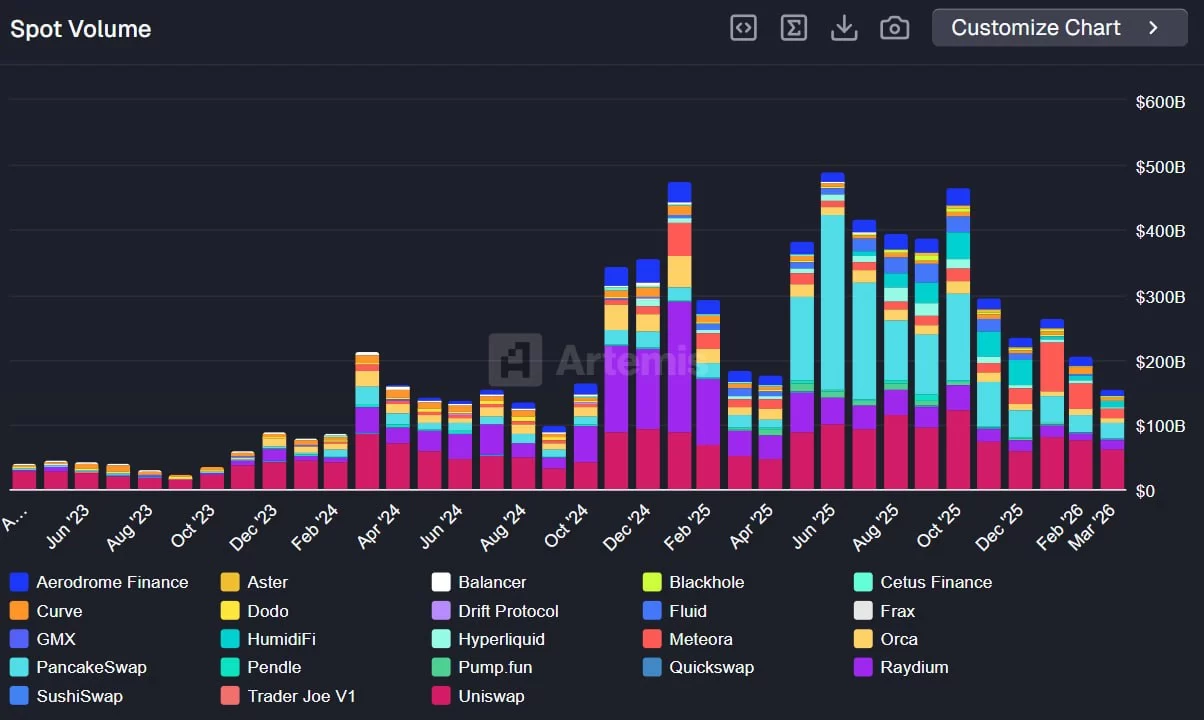
In March, spot volumes on decentralized exchanges plunged to just $155 billion, according to data from Artemis. This marks the lowest monthly figure since September 2024 and starkly contrasts with the surge in activity witnessed after the most recent election rally. That initial burst of enthusiasm seems to have faded entirely, as market participation and optimism continue to dwindle.
Prolonged low volumes increase risks for DeFi altcoins
Certain protocols have managed to stand out despite the tough market. Hyperliquid, supported by its commodity futures products, experienced notable gains in its HYPE Coin price over recent months. But for most of the sector, both trading volumes and associated revenues have slipped to historic lows. When protocols are unable to generate enough income, they often face severe challenges to survival—and in some cases, may even be forced to shutter. As a result, investors should watch the DeFi altcoin space with heightened caution during this period.
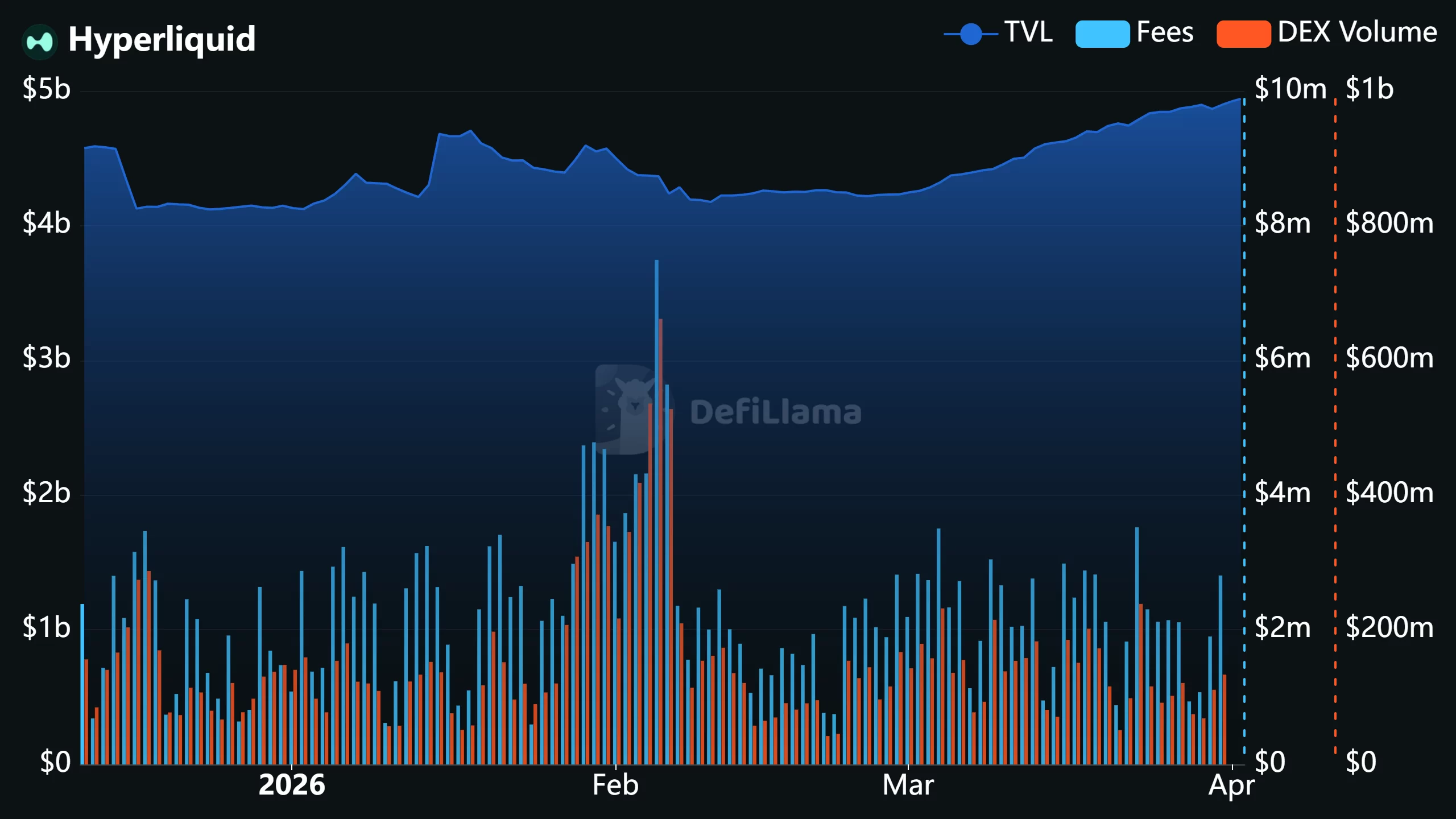
Hyperliquid’s decentralized exchange (DEX) volumes, for instance, have dropped considerably compared to figures at the end of January. Despite this, Hyperliquid still sets itself apart from other DeFi protocols, as its volumes and total value locked (TVL) display relative strength. The HYPE Coin has maintained support above the important $35 level, and the protocol’s locked assets continue to grow.
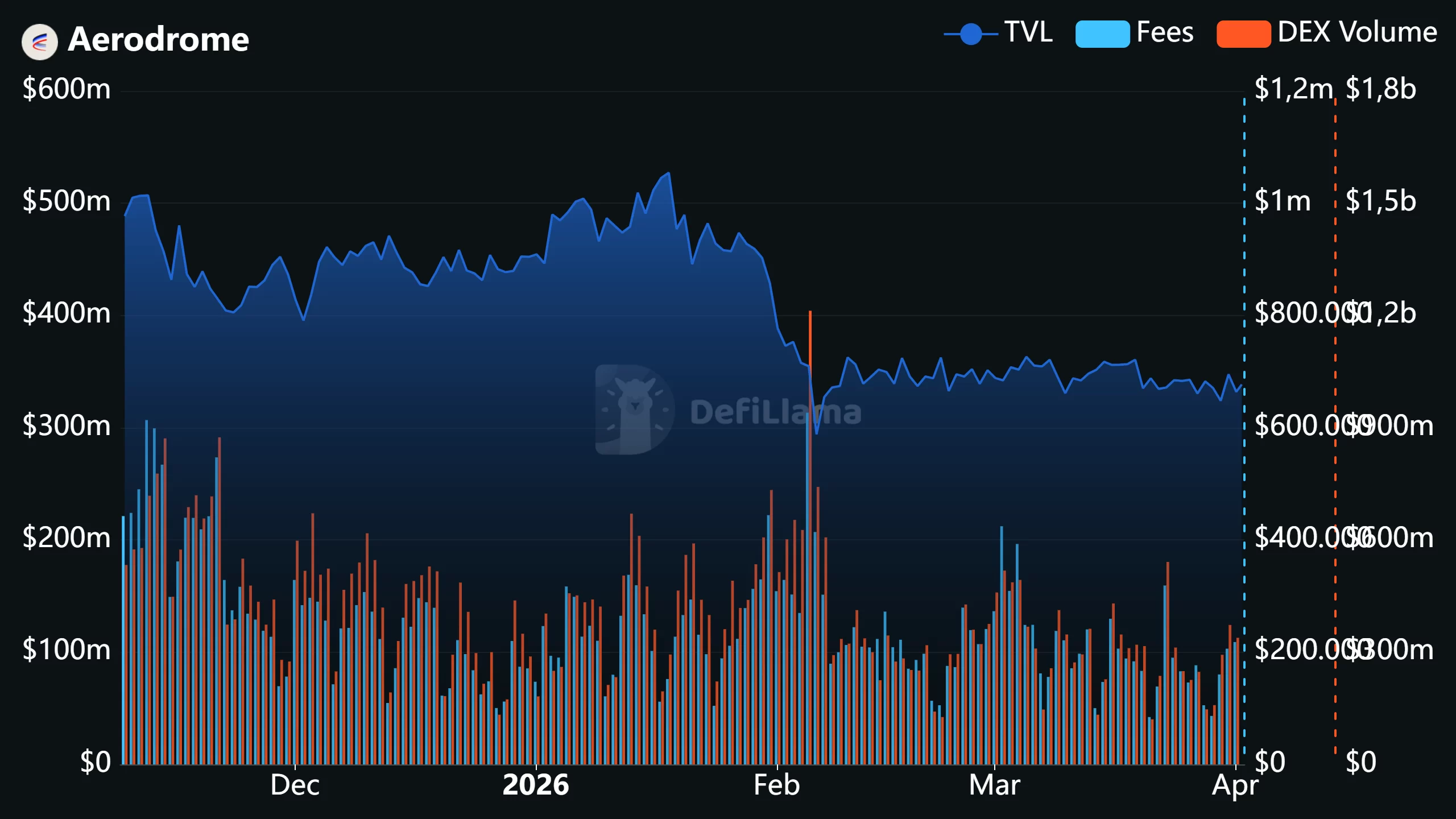
Aerodrome’s (AERO) recent metrics support the view that Hyperliquid is something of an outlier. Aerodrome saw a distinct drop in trading volume during March compared to earlier in the year, and its TVL fell from over $500 million down to $335 million. Nonetheless, the pace at which AERO tokens are unlocking has slowed, suggesting the project stands a good chance of weathering this challenging phase.
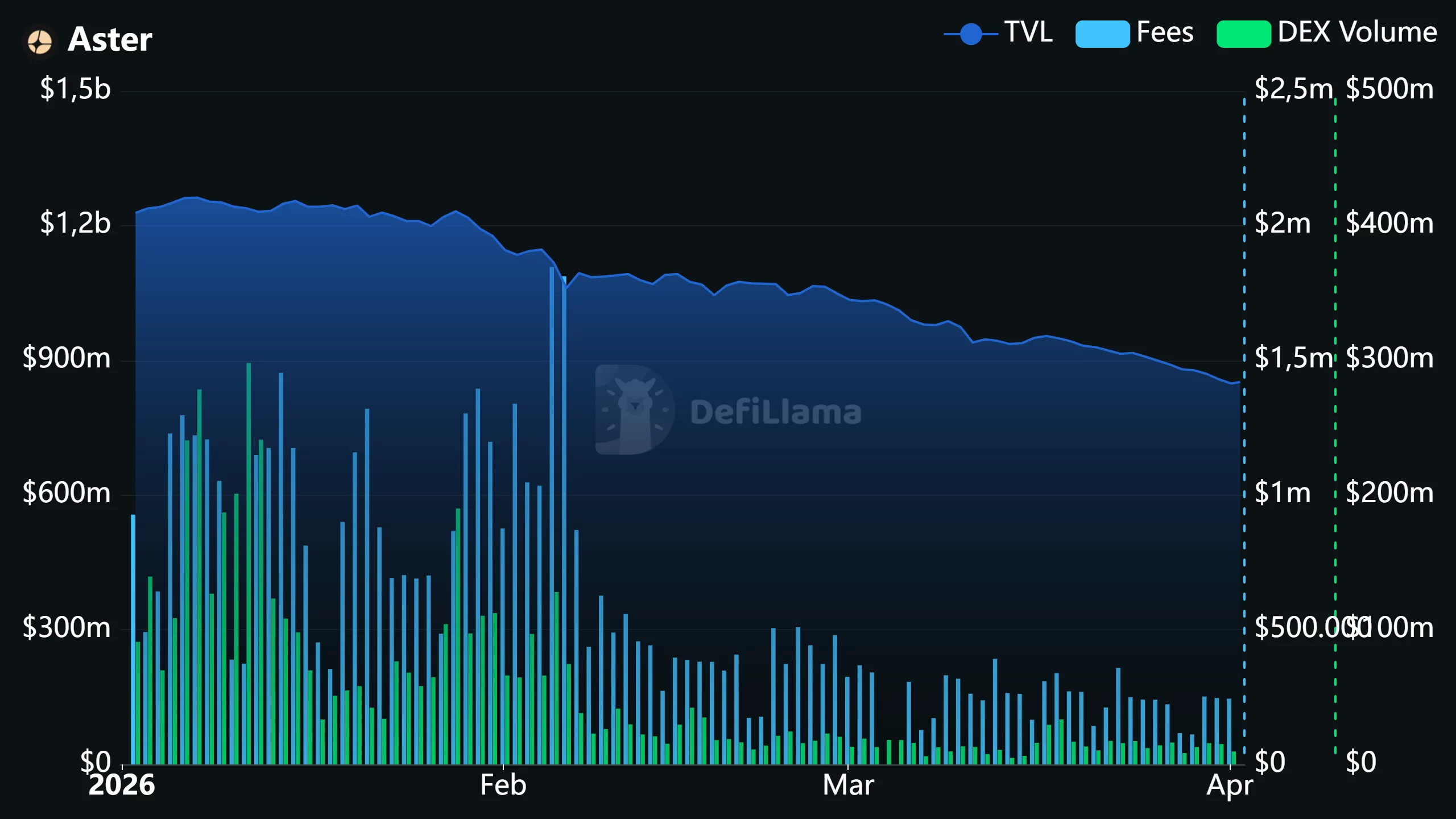
Aster, which gained considerable traction last year especially with the backing of Binance founder CZ, now faces a starker scenario. Volumes almost collapsed in March, and the protocol’s TVL fell below the $1 billion threshold last month. The drop in activity has been acute, leading to a rapid withdrawal of assets from the platform. While CZ’s initial support proved advantageous, the subsequent controversies—including debates around a Binance boycott—have led Aster to lose many users. Additionally, significant token unlocks are looming; nearly $29.7 million worth of tokens are scheduled for release in the next month. Unless trading volumes recover, Aster investors could be facing an even tougher period ahead compared to those invested in competing protocols.
In summary, anyone holding a DeFi-focused portfolio—especially those skeptical about a rapid market recovery—may want to adopt new strategies. Identifying altcoins with declining volumes, shrinking TVL, or elevated token inflation, and adjusting one’s allocation accordingly, could help mitigate risk. While this moment may yet prove to be a market bottom, factors like the potential for escalating conflict involving Iran and the prospect of further interest rate hikes could make 2026 even more challenging for the sector.