
Today’s most significant development was the release of the US employment report. Some analysts even consider it the week’s biggest event, as it directly influences the Federal Reserve’s interest rate policy. Because the Fed pursues both maximum employment and price stability, a potential contraction in the labor market could pave the way for rate cuts by the end of 2025.
Fresh data from the US
Due to surging oil prices, the Fed is increasingly concerned that inflation could rise even further. As a result, interest rate cuts have been postponed for the last five months, and monthly inflation increases as high as 1% have been recorded. The employment situation has remained relatively stable, partly due to the impact of Trump’s immigration policy. But how did today’s figures turn out?
Key unemployment and wage figures
According to the newly released data, the US unemployment rate came in at 4.3%, matching both expectations and the previous reading. Meanwhile, nonfarm payrolls increased by 115,000, significantly exceeding the projected 65,000 but falling short of the prior month’s figure of 178,000. Average wage growth was reported at 3.6%, which is moderately below the expected 3.8% but slightly above last month’s 3.5% figure.
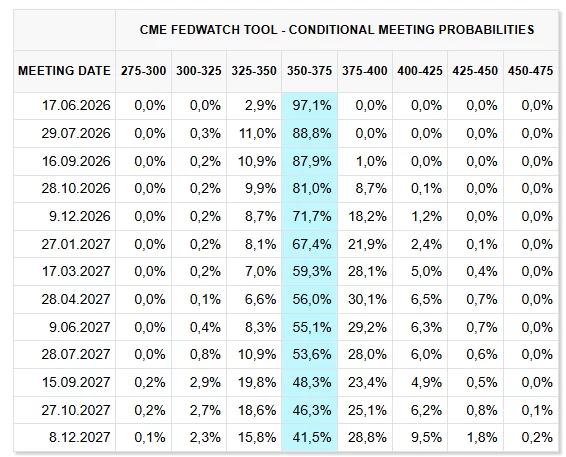
These numbers are likely to further delay any potential Federal Reserve interest rate cuts. With oil prices in triple digits fueling energy inflation, there is a mounting possibility that rate reductions may not happen at all in 2026. Trump’s stance last year has been validated to some extent, as restrictive immigration policies have tightened labor supply but have also reduced demand, keeping unemployment relatively low.
Looking at the broader economic picture, the Fed is now at a crossroads. On one hand, persistently high energy costs continue to pressure inflation. On the other hand, although job gains exceeded expectations this month, the overall labor market growth is slowing compared to previous months.
Wage increases above last month’s levels indicate ongoing pressure within the job market. However, average earnings are still not accelerating at a rate that would alarm policymakers about runaway inflation from wage growth alone.
With both unemployment and inflation posing challenges, analysts underline that the Fed’s next moves will depend heavily on how global energy prices behave in the second half of the year, as well as future job reports.
Despite talk of potential rate cuts by late 2025, today’s unexpectedly strong nonfarm payroll number suggests that the Federal Reserve might maintain its current stance longer than markets had hoped.
Investors and market participants are now reevaluating their expectations, especially for sectors most sensitive to interest rates—such as technology and cryptocurrencies.
The Federal Reserve continues to assess the balance between stable prices and robust employment, as persistent inflation and relatively strong job numbers extend the timeline for any interest rate reductions.
As policy uncertainty remains elevated, all eyes are now on the next set of economic data and hints from Federal Reserve officials regarding the outlook for rates throughout 2025 and possibly beyond.
For now, markets are likely to remain cautious, with the current data reinforcing the view that interest rate cuts remain off the table for the foreseeable future.