
Following the recent ceasefire, cryptocurrency investors turned their attention to the Federal Reserve’s meeting minutes, waiting to see how policymakers viewed escalating geopolitical risks and what that could mean for financial markets. On edge for much of the day, global markets were further reassured as the White House confirmed the ongoing ceasefire, easing immediate tensions. Now, the much-anticipated Fed minutes have been released, offering fresh insights into the U.S. central bank’s current thinking.
Minutes underscore Middle East risks
During its March meeting, Fed Chair Jerome Powell refrained from signaling any imminent interest rate cuts and focused in part on the possible fallout from the conflict in the Middle East. With diplomatic progress now underway and tariffs somewhat softened, policymakers see a more favorable path ahead, provided the fragile ceasefire holds. It’s important to recognize that the latest minutes reflect views formed while clashes in the region were still ongoing.
Key takeaways from the Fed’s assessment
The released minutes reveal a consensus on rising risks: most Fed policymakers noted increased uncertainty tied to Middle East events, expressing concern that protracted conflict could exacerbate weakness in the labor market and potentially require additional rate cuts. Yet there were counterbalancing worries about persistent inflation, especially if elevated oil prices linger longer than expected. Several participants flagged the risk that inflation might stay above the two percent target for a more extended period, which could even warrant further rate hikes.
Among the main points: Fed staff projected that overall economic growth would moderate compared to January’s forecasts, citing weaker momentum. However, they also anticipated the effects of geopolitical disruptions—mainly through lower equity prices and rising crude oil costs—would likely have only a limited direct impact on economic activity.

 ETH
ETH SOL
SOL BSC
BSC ROBINHOOD
 USDT
USDT AAPL
AAPLAccording to the minutes, “Most participants considered that policy rates are currently within a neutral range. Several participants have postponed their expectations regarding the timing of possible rate cuts.”
Additionally, there was broad acknowledgment that it remains too early to predict how recent Middle East developments could shape the U.S. economy, underscoring the prevailing sense of caution. Risks were seen as two-sided: upward pressures on inflation and downward pressures on employment both featured prominently in the deliberations.
The minutes further note the majority view that while progress towards the Fed’s 2% inflation goal may prove slower than hoped, the Committee stands ready to adapt its policy stance as necessary should risks become more pronounced in either direction.
Despite these uncertainties, the Fed’s staff forecast only a “modest” impact on the domestic economy from recent volatility in oil and stock prices. The majority agreed that the current interest rate policy sits within a reasonable neutral range, though a handful of policymakers have grown more cautious, pushing back rate cut expectations into the future.
Reflecting on inflation concerns, several participants emphasized vigilance, noting that persistent increases in oil prices could raise the likelihood of inflation remaining above target, potentially necessitating policy tightening. Still, most believe that as long as geopolitical tensions remain contained, significant policy shifts are unlikely in the near term.
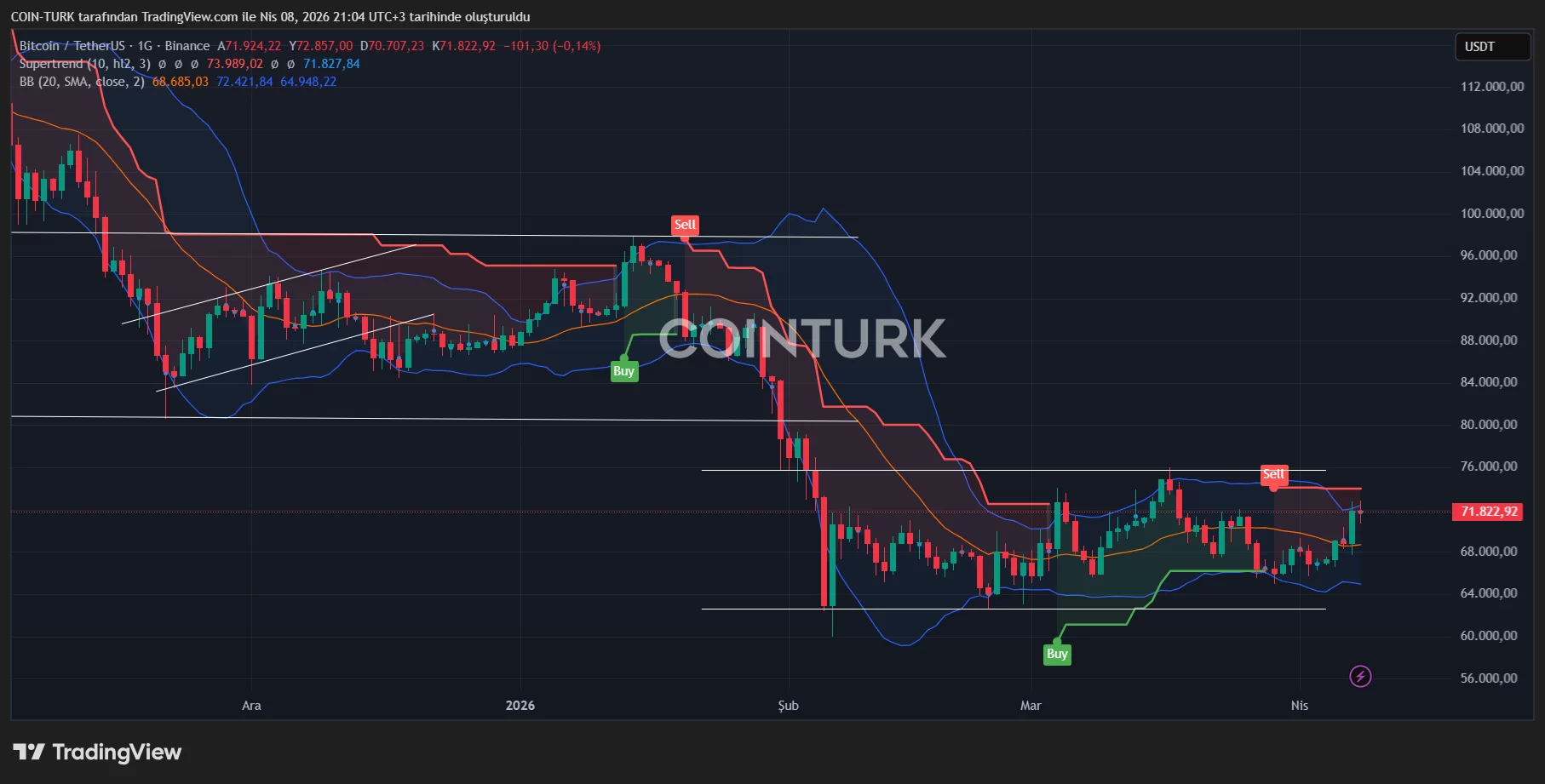
For cryptocurrency investors, the immediate reaction was muted. The publication of the Fed minutes had little discernible effect on Bitcoin prices, as the market appeared to have priced in much of the prevailing uncertainty. Instead, attention remains fixed on the evolving geopolitical landscape and the ultimate trajectory of Fed policy decisions.
The minutes concluded that “the balance of risks remains delicate: upward risks to inflation and downside risks to employment are both substantial.”
In summary, the Federal Reserve’s March meeting minutes paint a picture of a central bank proceeding with caution. Policymakers are prepared to take a patient approach as they weigh the complex interplay between persistent inflationary pressures, labor market dynamics, and evolving geopolitical risks. The clear consensus is that near-term policy changes will be dictated by how these risks develop in the weeks ahead.