





In the previous quarter, shrinking employment levels appeared to set the stage for interest rate cuts that energized cryptocurrency markets. However, fresh reports from January and February reversed this trend, challenging the previous narrative of decline. Despite significant data revisions, the likelihood of the US Federal Reserve cutting rates at its upcoming meeting remains minimal. As anticipation mounts, several Fed officials have recently made statements shedding light on their current outlook.
Debate in Washington: Crypto and Geopolitical Tensions
The political atmosphere in Washington is tense, as Democrats address revelations that the Binance cryptocurrency exchange facilitated $1.7 billion in flows linked to Iranian-affiliated entities. This development rekindles ongoing concerns about cryptocurrencies being used in geopolitical flashpoints. Amid ongoing intelligence briefings to US senators and representatives about Iran, political focus continues to swing back to crypto. Meanwhile, former President Trump is expected to deliver a significant statement in the morning hours.
Fed Officials Emphasize Data-Driven Patience
As the article was prepared, Fed members Susan Collins and Tom Barkin weighed in with fresh commentary. Collins struck an optimistic note about the labor market, while cautioning against premature policy shifts. Some of Collins’s key remarks included:
“Recent employment data are promising. A fragile environment could still allow for more stability in the jobs market. Although the labor market weakened last year, it didn’t collapse. The slowdown in job growth might reflect productivity trends and broader uncertainty.
Renewed progress in lowering inflation is a positive sign. The baseline view is that inflation should decline further as the year goes on.
In my view, monetary policy should remain patient and measured. The Fed’s stance is somewhat restrictive, perhaps near neutral. It’s likely current interest rates will stay in place for a while. Recent tariff news hasn’t significantly altered our outlook. That said, the tariff decisions may cause inflation to persist a bit longer.
Overall, unemployment is still low.”
Collins’s caution was echoed by Tom Barkin, who noted plainly that the labor market is loosening. Barkin emphasized the challenges of gauging labor supply dynamics and expressed ongoing concern about inflation readings. He summarized his position as follows:
“It’s clear the labor market is softening. Measuring changes in the workforce isn’t straightforward. Inflation data remain consistently above target. Many companies report their pricing power is very limited. Although inflation is coming down across the economy, more confirmation is needed in the numbers.
Current monetary policy is well-positioned for the risks at hand. I don’t anticipate the latest tariff moves will dramatically influence inflation dynamics. Fundamental trends remain supportive for the consumer sector.
I’m concerned about the impact from declining investment across markets. Not all gains in productivity are due to artificial intelligence.”
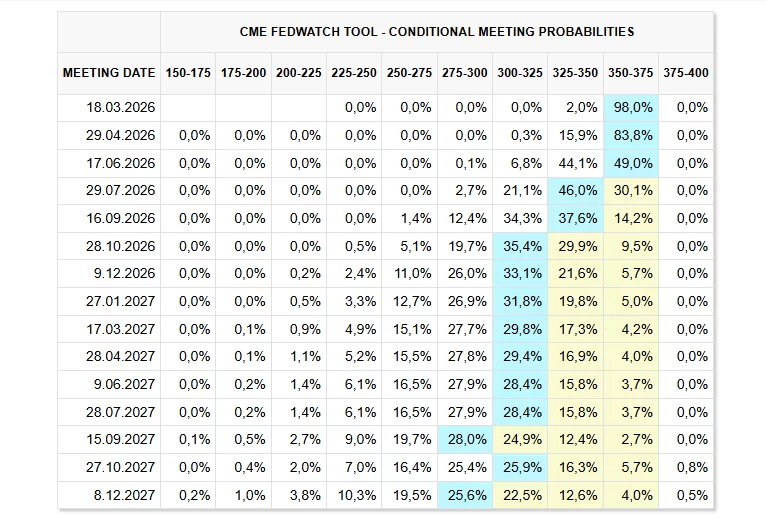
The prevailing expectation now is that at least two more Fed meetings will pass with no rate cuts. While both Collins and Barkin agree that inflation is cooling, they want further evidence from economic data before shifting course. Barkin, noting that inflation readings remain above target, adopts a particularly cautious tone and warns against hasty decisions. Collins is more direct in stating that interest rates will likely remain at current levels for some time, advocating for a patient and measured approach. Significantly, she describes policy as only “slightly restrictive,” suggesting that an imminent pivot to rate cuts is unlikely.
In effect, unless inflation data convincingly points downward in coming months, policymakers intend to stand pat. Even at the Fed’s third upcoming meeting on June 17, a rate cut is far from guaranteed. The path forward depends not just on inflation, but also on how Fed Governor Kevin Warsh builds consensus among his colleagues. Should robust employment continue while inflation declines only gradually, the first rate reduction of the year may be delayed until the July 29 meeting.