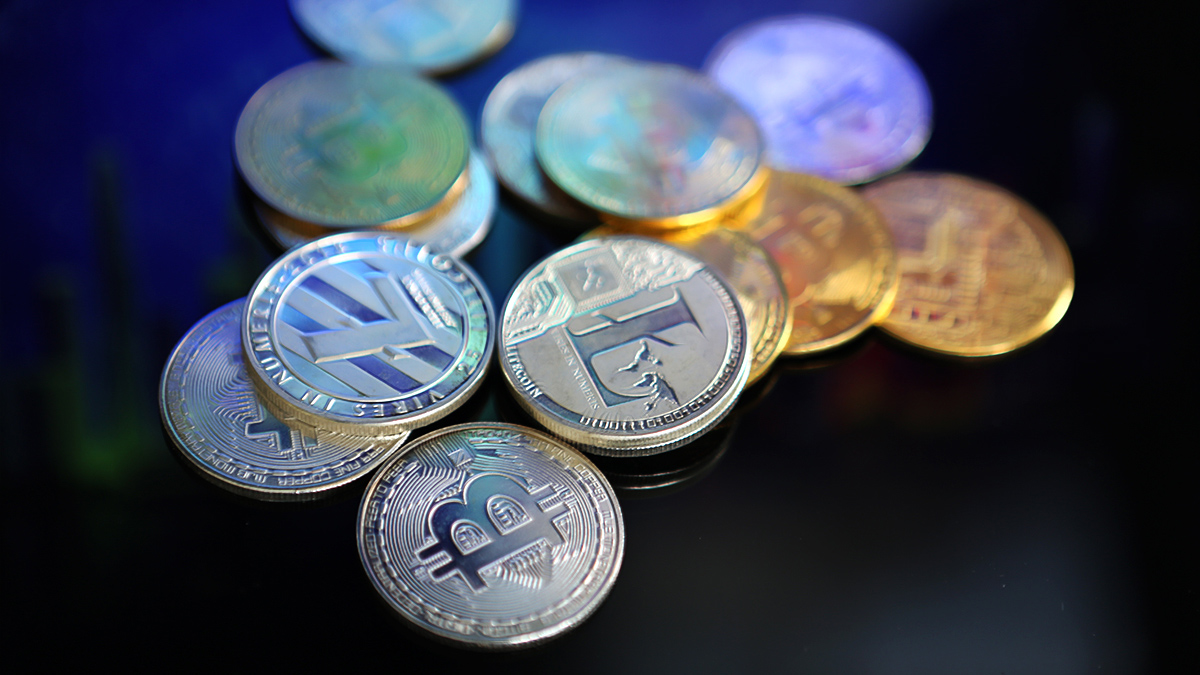
Thailand has announced a bold initiative to rejuvenate tourism by incorporating cryptocurrencies into daily spending. At an investment seminar in Bangkok, Finance Minister and Deputy Prime Minister Pichai Chunhavajira revealed that foreign visitors could link their cryptocurrency balances to credit cards, allowing them to make seamless purchases in Baht. Cashiers will only receive Baht, but payments will be processed via crypto, maintaining the vibrancy of the tourist economy without exerting additional pressure on the local currency.
Cryptocurrency Set to Revolutionize Tourist Spending
The Thai government aims to boost tourism revenue by encouraging visitors to spend their cryptocurrencies. The model is straightforward. Visitors link their crypto wallets via a card provider’s app with a single touch, and the transaction completes in Baht. Businesses are shielded from currency fluctuations since the conversion happens in the background. The government is swiftly setting up the necessary infrastructure, with regulatory details undergoing final touches.

This initiative’s primary advantage is eliminating long queues at currency exchange counters and the risk associated with carrying cash. According to Pichai, currency stability won’t be affected by crypto volatility due to the real-time conversion mechanism. Additionally, it reduces informal spending areas, thereby increasing transparency. Tourism authorities anticipate pilot sales starting in summer, initially focusing on Bangkok shopping malls and Phuket resorts.
The application has sparked global interest. Notably, Chinese and European digital nomads find it appealing to pay for everything from daily coffee to lodging using their crypto wallets. Hotel chains are already updating their loyalty programs with new wallet integrations. Local fintech startups are also working on innovations to reduce commissions in crypto-to-Baht conversions.
Financial Reforms and the New ‘G-Token’ Strategy
Alongside crypto tourism, Thailand plans to revamp its capital market laws. The current regulations separate securities from cryptocurrencies, restricting major players like insurance funds to government bonds. A proposed package aims to modernize risk management rules, opening the door for these institutional funds to invest in equities and private assets. Pichai mentioned granting the Thai Securities Commission new power to directly refer cases to the prosecutor to strengthen regulation.
Another part of the reform agenda is the “G-Token” initiative. The Treasury will divide government bonds into smaller parts on a Blockchain, offering them to individual investors. Citizens can buy micro-bonds equivalent to 100 Baht via a mobile app, with all transactions recorded on the Blockchain as tokens change hands.
Previously, the government gave confidence in the technological infrastructure when it approved USDT and USDC transactions on crypto exchanges. The new G-Token plan heralds tokenization of securities for institutional investors.
This wave of reform brings additional oversight to high-frequency trades, relaxed buyback rules on treasury shares, and faster action against market manipulation. Pichai emphasized that Thailand intends to cement its “crypto-friendly” identity with innovative financial architecture strengthened by robust regulations. Analysts suggest that if these regulations pass into law, Bangkok could emerge as a regional crypto finance hub.