Former U.S. President Donald Trump released a new statement late Tuesday, just hours before he was expected to deliver a planned address—an address now uncertain in light of rapidly developing events. Trump’s message gains added importance as it coincides with the deadline he set for Iran to accept a ceasefire by 3:00 a.m. Wednesday, after a series of recent postponements that have heightened expectations around the globe.
Trump issues stark warning
In his latest remarks, Trump struck a dramatic tone, predicting devastation on one hand, while on the other claiming the emergence of a new regime in Iran. He suggested that no positive steps were likely before the deadline, characterizing the situation as poised on the edge of historic change. Trump warned that “a whole civilization will vanish,” underscoring the gravity of the current standoff.
“Tonight, an entire civilization will be lost forever, never to return. I do not want this to happen, but it may well be inevitable. Still, as a full and comprehensive regime change has now taken place in Iran, one guided by more rational and less radical minds, perhaps this could lead to something extraordinary—who knows? We’ll find out tonight; this could be one of the most pivotal moments in world history. Forty-seven years of usurpation, corruption, and death may finally come to an end. God protect the great people of Iran!” Trump said.
Iran’s stance and negotiations
For its part, Iran remains firm, showing little inclination to reach an agreement ahead of the deadline. Tehran has reportedly presented a list of ten demands, including calls for the immediate lifting of all sanctions—requests the United States currently deems unacceptable. By pushing for concessions that would allow it to declare itself the “winner” of the conflict, Iran appears intent on strengthening its bargaining position rather than rushing toward a resolution.
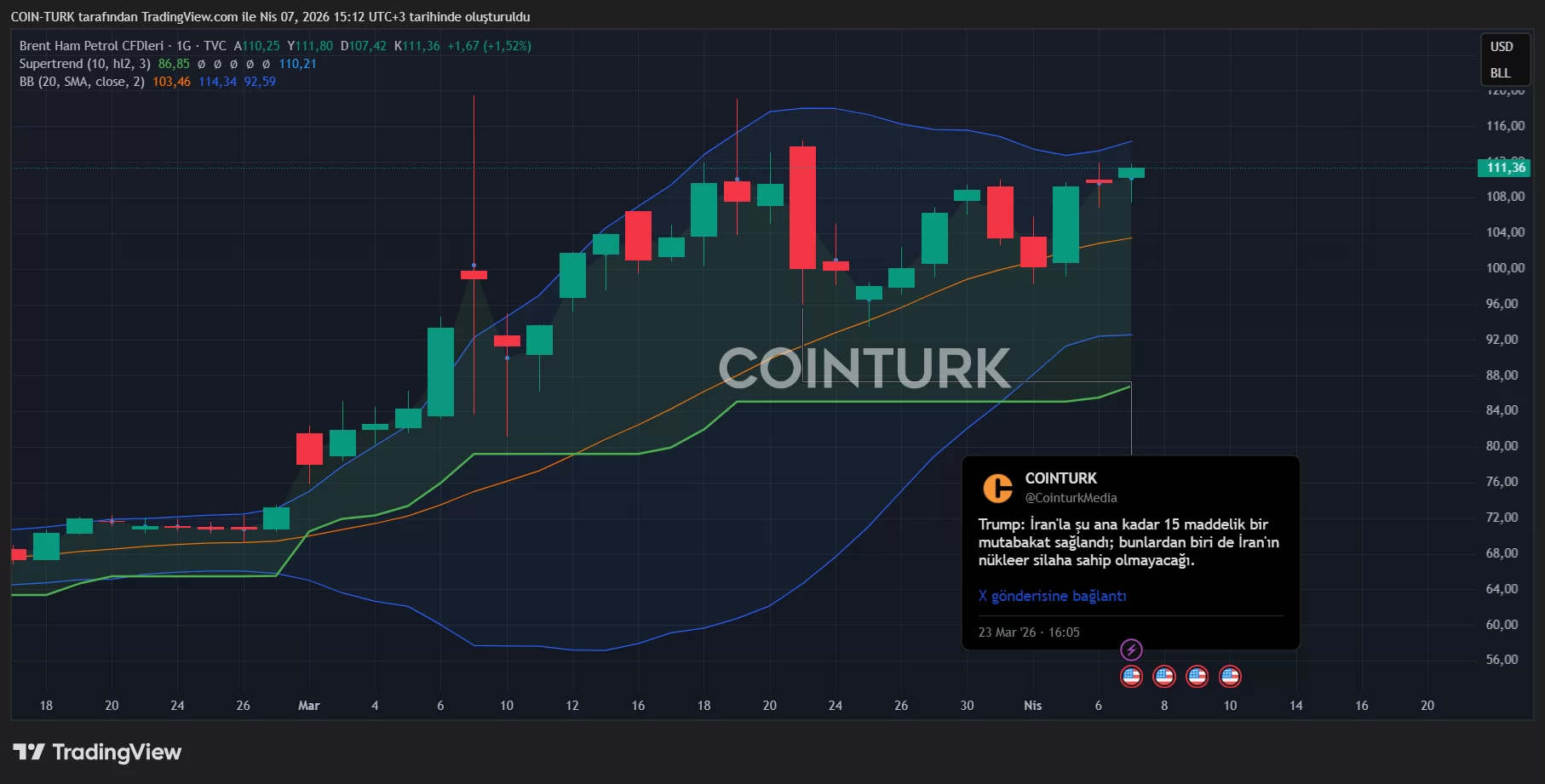
Meanwhile, global oil prices have begun to climb again, reflecting heightened concerns over potential supply disruptions and broader instability in the region. The energy markets are reacting to the escalating rhetoric and the very real possibility of military action if diplomatic efforts falter.
Diplomatic channels remain open but fragile. The United States has communicated that while it seeks peaceful solutions, it will not accept terms that compromise security or regional stability. International observers are carefully watching how both sides manage the final hours before the deadline lapses, looking for signs of a breakthrough or an imminent escalation.
For ordinary Iranians and Americans alike, the uncertainty is palpable. Many fear that if a peaceful resolution is not reached, the consequences could reverberate well beyond the two countries and trigger a broader crisis with global implications.
As the world turns its attention to the coming hours, the shadow of a possible conflict hangs over energy markets, diplomatic halls, and countless households. Whether this moment becomes a turning point for peace or a step toward further chaos may be determined by negotiations behind closed doors in the minutes ahead.
Whatever the outcome, Trump’s statement has set the stage for a night of intense anticipation and uncertainty—one marking either the start of a new chapter or the expose of long-simmering hostilities that could reshape international alliances and global stability for years to come.