In the early days of the war, Trump commented, “We have nearly achieved our aims, it was too soon.” Yet, as the eighth week draws to a close, hopes for a permanent ceasefire remain elusive. TKL analysts now call the ongoing energy crisis the greatest in history. Against this backdrop, there are increasing concerns about the future of cryptocurrencies amid mounting economic pressures.
Historic energy crisis sends shockwaves
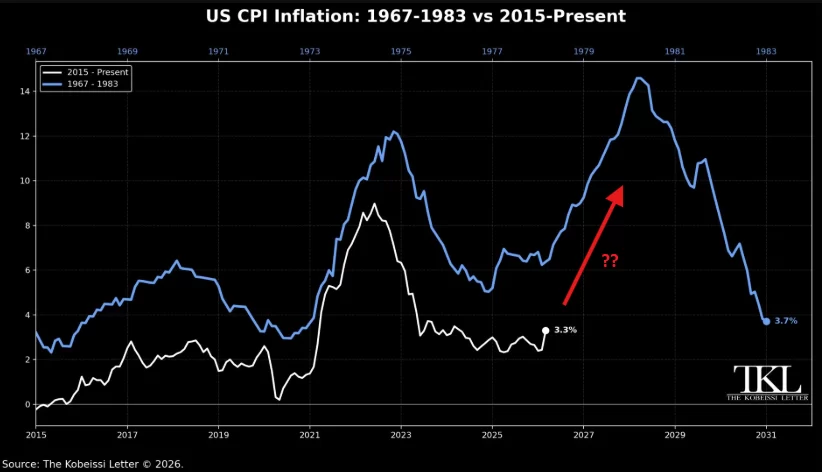
There has never been a crisis like this; with a loss of 600 million barrels of oil from global supply, the current situation is unprecedented. Since December, US gasoline prices have jumped by 47%, while inflation is accelerating towards 4%, reminiscent of trends last seen in the 1970s. Importantly, the full impact of rising energy prices on overall inflation has not yet materialized. If the issue persists, the broader situation could worsen further.
Oil worth $50 billion has effectively vanished from global markets. To put that into perspective, it equals 120 days of use for the world’s entire international shipping industry. In other words, global shipping could have run uninterrupted for four months on these lost oil reserves.

Jet fuel costs in Europe have soared by over 100%. New data reveals Europe has only a six-week supply of jet fuel left, prompting mass flight cancellations. Companies are once again encouraging staff to work from home, just as many did during the pandemic.
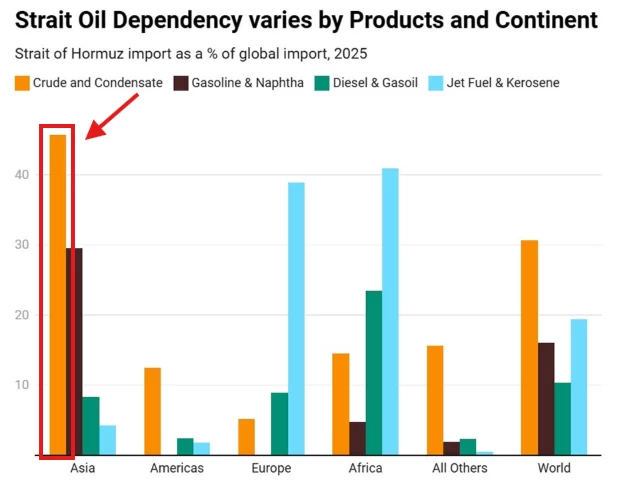

TKL highlights Asia’s extreme vulnerability: “Because Asia is highly dependent on the Strait of Hormuz, it faces the worst scenario. About 45% of all crude oil and condensate imported by Asia passes through Hormuz, the highest percentage worldwide. The region also relies on Hormuz for around 30% of gasoline and naphtha, 9% for diesel, and 5% for jet fuel.”
Economic outlook and the impact on crypto
So, what about cryptocurrencies? Their fate is closely tied to the trajectory of US inflation and the broader economy. Over the last four years, high US interest rates and tight policies have suffocated crypto markets. The Federal Reserve cannot loosen its grip until inflation falls, yet after a long wait, inflation is turning upward once again.
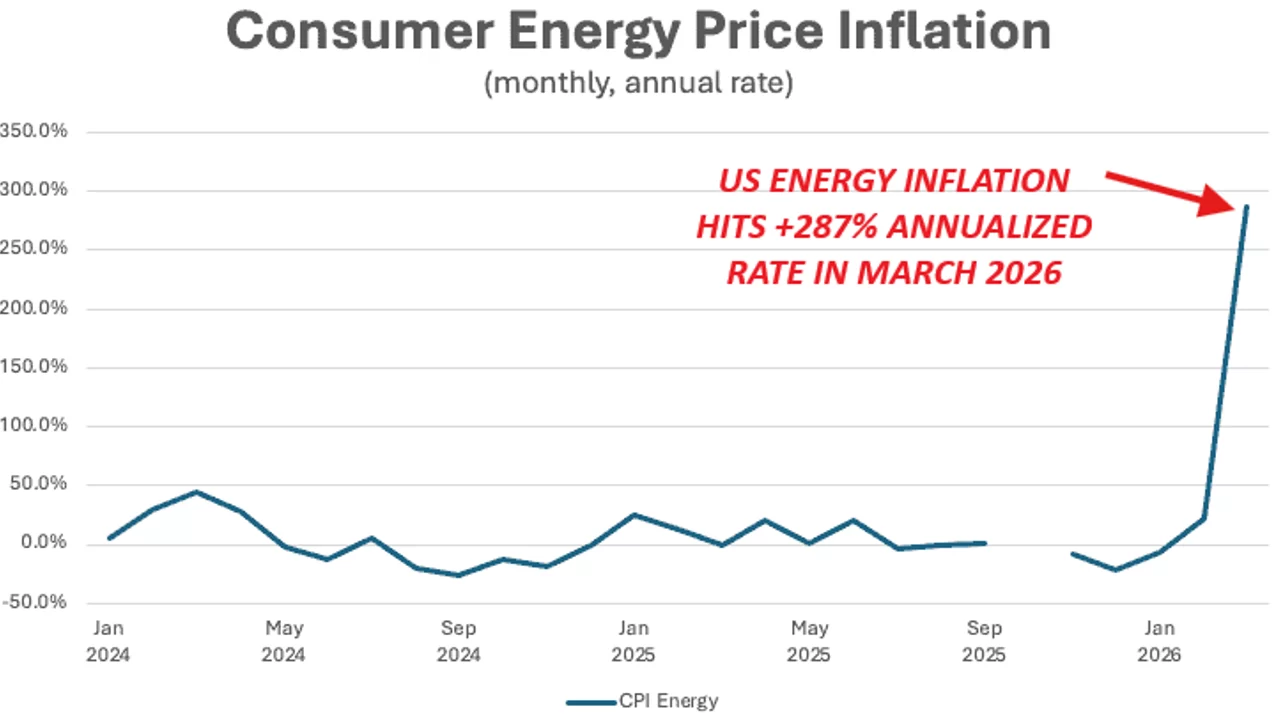
Energy inflation now makes up approximately 7% of the US Consumer Price Index and indirectly pushes up costs in many other areas. According to new figures, US energy inflation skyrocketed to an annual rate of 287% last month.

The overall US Consumer Price Index climbed to 3.3%, the highest level since February 2024.
TKL’s models forecast that “US CPI inflation could exceed 3.5% as soon as next month. As a result, the UMich Consumer Sentiment Index has plummeted to a record-low 47.6. The global economic landscape has changed.”
The odds of a Federal Reserve rate cut by July now stand at just 22%, down from over 90% before the Iranian conflict began. Merely months ago, markets were predicting three or more cuts this year; now, the most likely scenario is no cut at all.
The US continues to grapple with stubborn, multi-year inflation. After more than four years of high prices, another yearly increase above 3% is compounding the challenge.
So, what’s next for cryptocurrencies? Given these developments, a fall in inflation to the 2% target appears highly unlikely. Trump’s ambitions for rapid rate cuts hinge on inflation cooling to 2%, but forecasts show only a 25 basis point cut in the next 12 months. This suggests the long-awaited crypto bull run powered by monetary easing is being postponed. If the war continues and inflation rises even faster, investor difficulties will only deepen.