
As gasoline prices in the United States approach levels last seen in 2022, inflation expectations among households are also on the rise. While the main Consumer Price Index report is due this Friday, the New York Federal Reserve has released its monthly Survey of Consumer Expectations, revealing key details about how Americans view inflation and financial prospects in the near future. This data offers a snapshot of current sentiment and sets the context for the highly anticipated official inflation figures later in the week.
Short-term inflation expectations rise
According to the New York Fed’s latest report, recently published by its Center for Microeconomic Data, households now expect both near-term and medium-term inflation to be higher than previously thought. Only long-term inflation expectations remained unchanged. Notably, expectations for gasoline prices rose to their highest level since March 2022, reflecting the recent surge at the pump.
Changes in labor market and spending outlook
While respondents grew more optimistic about job finding prospects, their expectations for job losses and the unemployment rate worsened. Predictions around household spending and income growth remained largely stable. It’s important to note, however, that the survey was conducted between March 2 and March 31, meaning it may not capture the most recent mood of uncertainty—particularly given ongoing diplomatic tensions between the US and Iran. Should a resolution fail to emerge between these nations, the next report in May could tell a very different story.
The survey found that median expectations for one-year-ahead inflation rose by about half a percentage point to 3.4 percent. Three-year expectations ticked up by 0.1 percentage points, while expectations looking five years ahead held steady at 5 percent. Notably, the gap between participants’ most and least optimistic inflation expectations narrowed for the one-year horizon, but widened over longer terms, suggesting increasing uncertainty further out.
Uncertainty about inflation increased overall, the report indicated. Households now expect home prices to climb further, with the median forecast for housing inflation up by 0.3 points to 3.3 percent. This indicates renewed concerns about shelter costs, raising questions about how the Federal Reserve may continue its battle with persistent inflation.
“The median one-year-ahead expected price change increased by 5.3 percentage points for gasoline to 9.4 percent, by 0.7 points for food to 6 percent, and by 1.2 points for rent to 7.1 percent. March’s gasoline survey data marked the highest levels observed since March 2022. No change was observed for expectations regarding health care, which stayed at 9.7 percent, while anticipated cost increases for college fell slightly by 0.1 points to 9 percent,” the report noted.
Meanwhile, confidence in rising stock prices has softened further. The proportion of Americans expecting equity prices to be higher in 12 months declined by 1.6 percentage points to 36.3 percent—a sign that optimism in risk markets is waning.
“The average probability of losing one’s job in the next 12 months rose by 0.6 points to 14.4 percent, although this still trails the series’ 12-month moving average of 14.6 percent. Expectations of quitting a job voluntarily, the anticipated separation rate, jumped by 2.4 points to 18.3 percent,” the survey added.
Despite these labor market jitters, New York Fed President John Williams commented today that he still views unemployment levels as healthy, and has not placed much significance on changes in job demand or supply for the time being. This approach could reflect the Federal Reserve’s readiness to consider further interest rate hikes, given rising inflation even as the job market remains resilient. Observers note that if Williams, who is often seen as a centrist rather than an inflation hawk, maintains such a stance, it suggests that the hawkish wing of the Fed is likely pushing for even tighter policy.
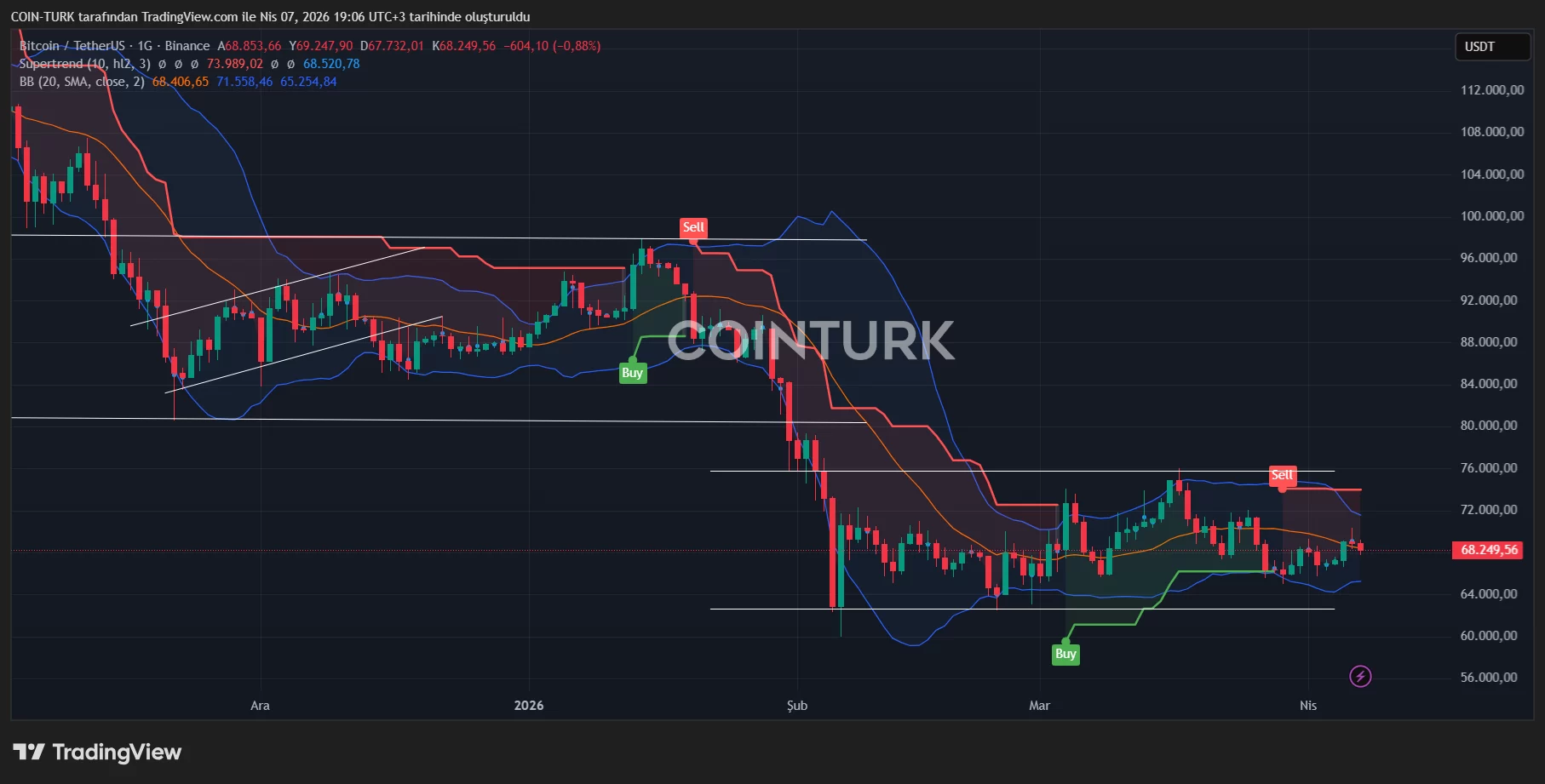
Cryptocurrency markets also felt the pressure, with Bitcoin trading lower for the day. Meanwhile, Iranian sources denied rumors that communications had been completely severed amid regional tensions, with an important deadline approaching at 3:00 a.m.