
For those looking for insight into the Federal Reserve’s policy direction, Christopher Waller’s address today carried significant weight. What makes it so noteworthy is that this marks his first comprehensive economic assessment since late February—a period in which the Iran conflict both erupted and now appears to be winding down. After weeks of global turbulence, Waller spoke to those asking what’s unfolding and what may lie ahead.
US markets at the end of February
Waller’s last major speech on the economic outlook came at the end of February. Since then, many investors have felt as though a year has flown by in just two months, with non-stop headlines and shifting market conditions. Back in February, data showed inflation lingering just above the Federal Open Market Committee’s (FOMC) 2% target—excluding the temporary effects of new tariffs.
A central issue during that time involved shrinking labor supply and its potential impact on employment. Fed members debated whether risks to their goal of maximum employment warranted a rate cut, or whether to keep rates steady to maintain progress toward 2% inflation.
Shockwaves hit in rapid succession
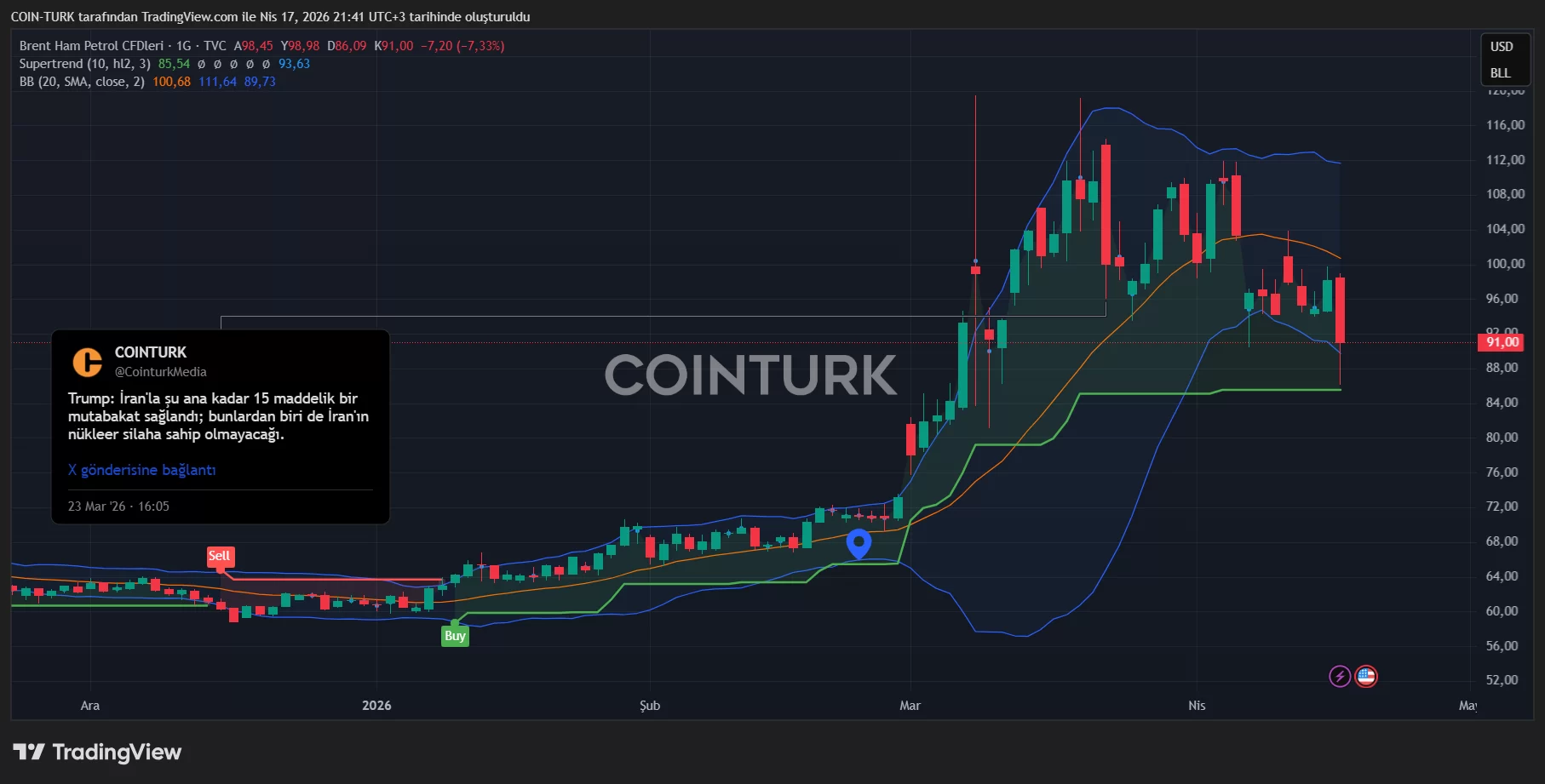
March brought two major shocks. First, the flare-up between Iran and its rivals disrupted Middle Eastern energy production and shipment, quickly sending global energy prices higher. While central banks often discount short-lived oil supply shocks, prolonged turmoil in the region could have lasting effects on inflation and US growth, a reality factored into the March 18 rate decision.
The second turning point came from recognizing the outcomes of Trump’s immigration policy for maximum employment. Data revealed net immigration dropped from 2.3 million in 2024 to a bare minimum in 2025 and is expected to remain low in 2026. This shift limits population and labor force growth but also clarified that supply-side concerns in the labor market are less severe than feared. Combined with an aging population, policymakers concluded that fewer new jobs are actually needed to sustain employment levels.
Back in 2025, an article discussed “understanding Trump’s economic vision” as Miran joined the Fed. Trump’s claims that stemming illegal immigration would swiftly stabilize employment, housing, and overall inflation proved prescient, with projections that two million migrants would leave the US before the end of 2025.
Where is the US economy headed?
The Fed now recognizes that recent soft employment data didn’t truly threaten maximum employment. This means the three rate cuts seen at the end of last year are less likely to be repeated under similar current conditions. As a result, only a steep drop in inflation could trigger a move towards the 2% rate target.
Waller’s first scenario is as follows:
“The first scenario assumes progress in reopening the Strait of Hormuz, with energy and broader trade flows returning to pre-conflict conditions relatively quickly. I remain hopeful this is a reasonable possibility.
Despite last week’s failed peace talks, futures prices forecast Brent oil falling to $82 per barrel by end-2026 and $75 by end-2028, consistent with markets returning to near-normal over a reasonable horizon. If that occurs, the energy-driven spike in headline inflation should moderate and inflation expectations stay anchored. The pass-through of higher energy prices to other goods should be limited. Even as households and firms feel the strain, optimism that the worst is over could support spending, output, and hiring. This represents the best-case outlook for the economy.”
But what if oil futures are overly optimistic and underestimating risks?
“On inflation risks, if the conflict drags on and energy prices remain elevated, businesses could pass costly energy inputs through to other prices, amplifying inflation more broadly.
If Strait shipping restrictions persist, I also foresee supply chain bottlenecks. Commodities produced in the region, such as fertilizers and helium, could become costlier globally and drive up agricultural prices. Elsewhere, energy shortages could curb production, creating further constraints.”
As 2021-2022 supply chain crises painfully demonstrated, back-to-back global shocks can quickly destabilize inflation. Given today’s risks, Waller warned against complacency and outlined his second scenario—a world where the Strait remains closed, and rosy forecasts collide with harsh realities.
Looking to the future, what can markets expect, and how will the Fed set its course?
“If the Strait reopens and trade flows partially normalize, I can look past recent energy-driven inflation since it would be transitory. My focus will then return to labor market dynamics amid ‘no hiring, no firing’. Setting aside tariffs and energy, I see core inflation advancing towards 2%. This keeps me cautious about rate cuts for now, but as the outlook stabilizes, I could lean towards easing later this year to support employment.
However, the longer energy prices stay high and the Strait remains restricted, the likelier it becomes that inflation spreads broadly, supply chains tighten, and real activity softens. If new shocks fuel inflation expectations, I’ll watch closely. Slowing economic activity might temper price gains, but I’d still expect higher inflation—lasting for some time—alongside a weaker job market. This complex situation would force policymakers to carefully weigh risks to both sides of the Fed’s mandate and could mean holding rates steady if inflation risks override those to jobs.”
In summary, the Fed’s next moves will hinge on how rapidly normalization unfolds. If the coming week delivers a real, lasting peace agreement, risk assets could rally more strongly. A sharp reversal in energy prices—and rollback of recent cost-driven product price increases—remains a key condition for the Fed to consider rate cuts in 2026.