
Negotiations between the United States and Iran last week underscored just how far apart the two sides remain. Rather than meeting face-to-face, representatives held indirect discussions, struggling to find common ground. Over the past week, U.S. Treasury Secretary has twice accused Iranian authorities of moving large sums of money abroad, echoing suspicions that Tehran is bracing for further economic turmoil. Meanwhile, former U.S. President Donald Trump has ramped up rhetoric concerning a potential “second phase” of action against Iran.
Indirect Talks Continue Without Breakthrough
Despite ongoing talks, tangible progress has proved elusive. Both parties have held to their core demands, with Iran adamant that its missile program remain off the negotiating table, while Trump has insisted on strict deadlines having already been communicated to Tehran. The constant threat of renewed conflict casts a shadow over negotiations, fueling market anxiety and perpetuating regional uncertainty.
U.S. Treasury Raises Alarm on Iranian Capital Flight
In the span of just one week, the U.S. Treasury Secretary has publicly alleged twice that Iran’s leadership is quietly moving vast reserves out of the country. These moves, the Secretary suggested, may be motivated by fears that intensifying protests and civil unrest could undermine the regime’s grip on power. The statements hint that Washington may already be plotting its next steps, should financial pressure prove insufficient.
As tensions simmered, Trump made several new statements on Iran, commenting on the unfolding diplomatic stalemate and hinting at escalating measures should talks falter.
“Xi will be coming to the U.S. later this year. Our relations with China are very good right now.
We have to make a deal with Iran. If there is no agreement, the consequences for Iran will be severe. Ultimately, any agreement with Iran is my decision. I believe an agreement could be made within the coming month. I will talk to Iran as much as I want.
The second phase will be very tough for Iran.”
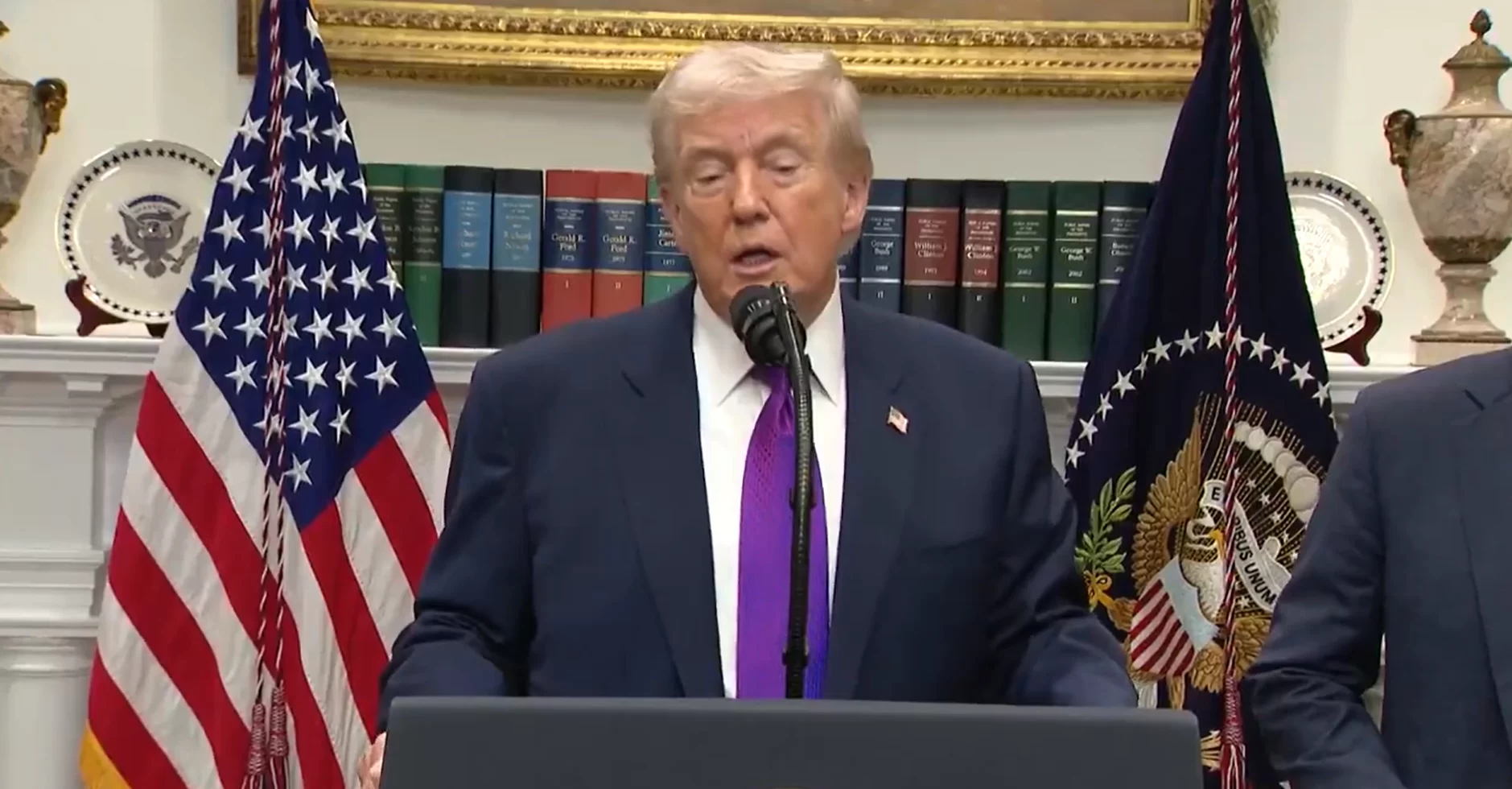
Trump concluded his remarks by highlighting the recent jobs report, which he described as “incredible in some regards,” before shifting his focus back to the standoff with Tehran.
Expectations remain high for further developments, particularly after Trump announced that additional statements regarding Iran would follow late into the night. The former president’s ongoing commentary keeps both allies and adversaries alert for immediate shifts in policy or posture.
Amid all this, uncertainty has become the only certainty for those following the U.S.-Iran file. The unresolved status of the missile portfolio, questions around financial maneuvers, and recurring threats of escalation maintain a climate of volatility across diplomatic and financial spheres alike.
With global markets responding nervously to every new statement and rumor, international observers and regional actors see a protracted challenge ahead. As indirect contacts persist, the possibility of a rapid breakthrough seems slim, and talk of a “second phase” signals the likelihood of mounting pressure on Tehran, should an agreement remain out of reach.