
This week marks a crucial period for economic data, with labor market figures released and key inflation numbers expected by Friday. As the first full month since the escalation of hostilities, experts anticipate the initial impacts of the conflict to become more clearly visible in these indicators. Over the past month, ongoing Iranian attacks have driven oil prices up by tens of dollars, laying the groundwork for what analysts expect to be a meaningful rise in inflation in the upcoming week.
U.S. data defies expectations
Former President Donald Trump has suggested that the conflict is likely to drag on, indicating that its economic effects may not subside but instead intensify in the short term. If job gains weaken and inflation accelerates, markets may need to brace for a potential interest rate hike—rather than the cuts that some had been hoping for this year. Just minutes ago, Trump made a statement on his social media account about the evolving situation:
“Had we had a little more time, we could have easily OPENED the Strait of Hormuz, TAKEN THE OIL, and MADE A FORTUNE. This would have been an ‘OIL RUSH’ for the world??? President DONALD J. TRUMP”
The latest figures have now been made public, generating eager anticipation and immediate reaction from analysts and investors. The headline numbers paint a nuanced picture:
Headline numbers signal resilience
Unemployment was reported at 4.3%, slightly better than expected and an improvement from the previous 4.4% reading. Non-farm payrolls surged by 178,000—far surpassing both the consensus estimate of 65,000 and the previous month’s decrease of 92,000. However, average earnings came in below forecasts, rising by 3.5% year-on-year compared to a 3.7% expectation and last month’s 3.8%.
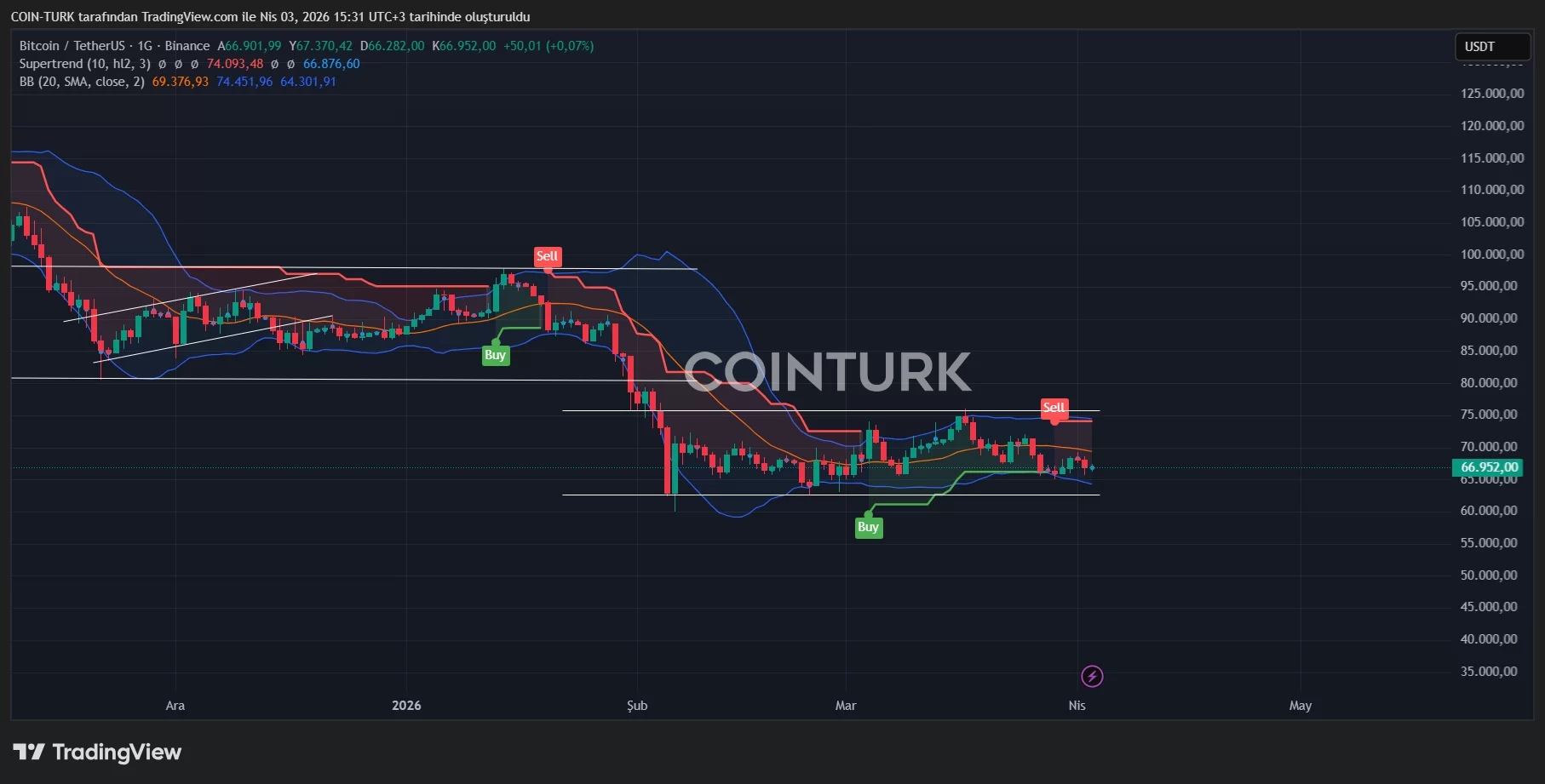
Despite ongoing geopolitical concerns, these figures suggest the U.S. jobs market is holding up well, offering exactly the kind of strength the Federal Reserve has said it wants to see. This robust data, however, poses a challenge for risk assets—especially cryptocurrencies—which tend to struggle when expectations shift toward tighter monetary policy.
Crypto poised for more volatility
With equity and other major markets closed for the holiday, movement in cryptocurrencies could intensify in the coming hours. The positive labor data has already put digital assets under renewed pressure, and further volatility may be on the cards before traditional markets reopen.
Some observers are warning that, should inflation data at the end of the week confirm a marked upturn, the Fed could pivot firmly away from any possibility of rate cuts in the near future. That stance would likely create additional headwinds for digital currencies, which have benefited in the past from looser financial conditions.
Meanwhile, broader market participants are assessing the longer-term outlook for both inflation and employment, weighing the effects of sustained conflict and higher energy costs on consumer and business sentiment. Oil’s sharp rally, driven by Middle East tensions, remains central to these calculations as inflation looms larger on the horizon.
In short, investors will be watching both macroeconomic releases and geopolitical updates closely in the coming days, ready to recalibrate portfolios as necessary in light of shifting risks and opportunities.