Bitcoin continued to trade above the $72,000 mark as geopolitical tensions remained high in the Middle East, reflecting a growing demand for ceasefire stability, especially as the United States steps up diplomatic pressure over Lebanon. Meanwhile, Iran plans to join negotiations this Saturday, even though it is insisting on a halt to attacks in Lebanon as a precondition. With less than two weeks left to reach a long-term agreement, cryptocurrency investors are closely monitoring these developments and the emerging trends shaping the market.
Five major themes shaping cryptocurrencies
In its latest report, Santiment highlighted the key topics dominating crypto conversations, with the ongoing US-Iran standoff unsurprisingly at the top. Despite declared ceasefires, tensions persist, as Iran continues to criticize compliance with the terms, pointing to ongoing hostilities in Lebanon. The Strait of Hormuz remains a flashpoint; efforts by a Pakistani delegation recently helped defer an expected Iranian retaliation.
Expectations for BTC and ZEC
Market watchers are also considering a number of other headlines. The New York Times has published an investigative report, claiming once again to have uncovered the identity of Satoshi Nakamoto, the mysterious creator of Bitcoin. This time, Adam Back, a long-standing candidate, was spotlighted, though Back has denied being Nakamoto. He stressed that the founder’s anonymity preserves the spirit of Bitcoin as a discovery rather than a personal achievement.
US Treasury Secretary Scott Bessent recently pressed Congress to pass the CLARITY Act without delay, calling it a matter of national priority. Tensions are also escalating between banks and stablecoin issuers, as both sides jockey for regulatory advantage. With midterm elections approaching, lawmakers are under pressure to expedite legislation in order to provide clarity and stability to the crypto market.
The status of spot Bitcoin ETFs remains another key talking point. ETFs led by BlackRock and Fidelity saw daily trading volumes of $2.4 billion, while Morgan Stanley rolled out its new low-fee MSBT product, accumulating approximately $34 million on its first day. The spotlight on institutional investment continues to intensify, signaling both sectoral confidence and shifting dynamics in digital asset management.
A separate but related trend involves the Strait of Hormuz, where talks are underway about conducting payments for shipping fees in cryptocurrencies such as Bitcoin and China’s yuan. Fees could reach as high as $2 million per vessel, underscoring the potential for digital assets to facilitate cross-border transactions even in high-stakes geopolitical corridors.
Against this volatile backdrop, technical analysis and investor sentiment regarding major coins are drawing increased attention. Analyst Kyle remarked that Bitcoin’s price action, hovering below the $78,000 market average, is reminiscent of 2022—a time characterized by temporary relief rallies that ultimately failed to produce lasting gains. With the majority of current investors in a loss position, Kyle believes that until Bitcoin climbs back above $78,000, price pressure and stagnant trading days are likely to persist. For now, the cryptocurrency is consolidating around $72,000, with support from the US’s diplomatic maneuvers for continued ceasefire.
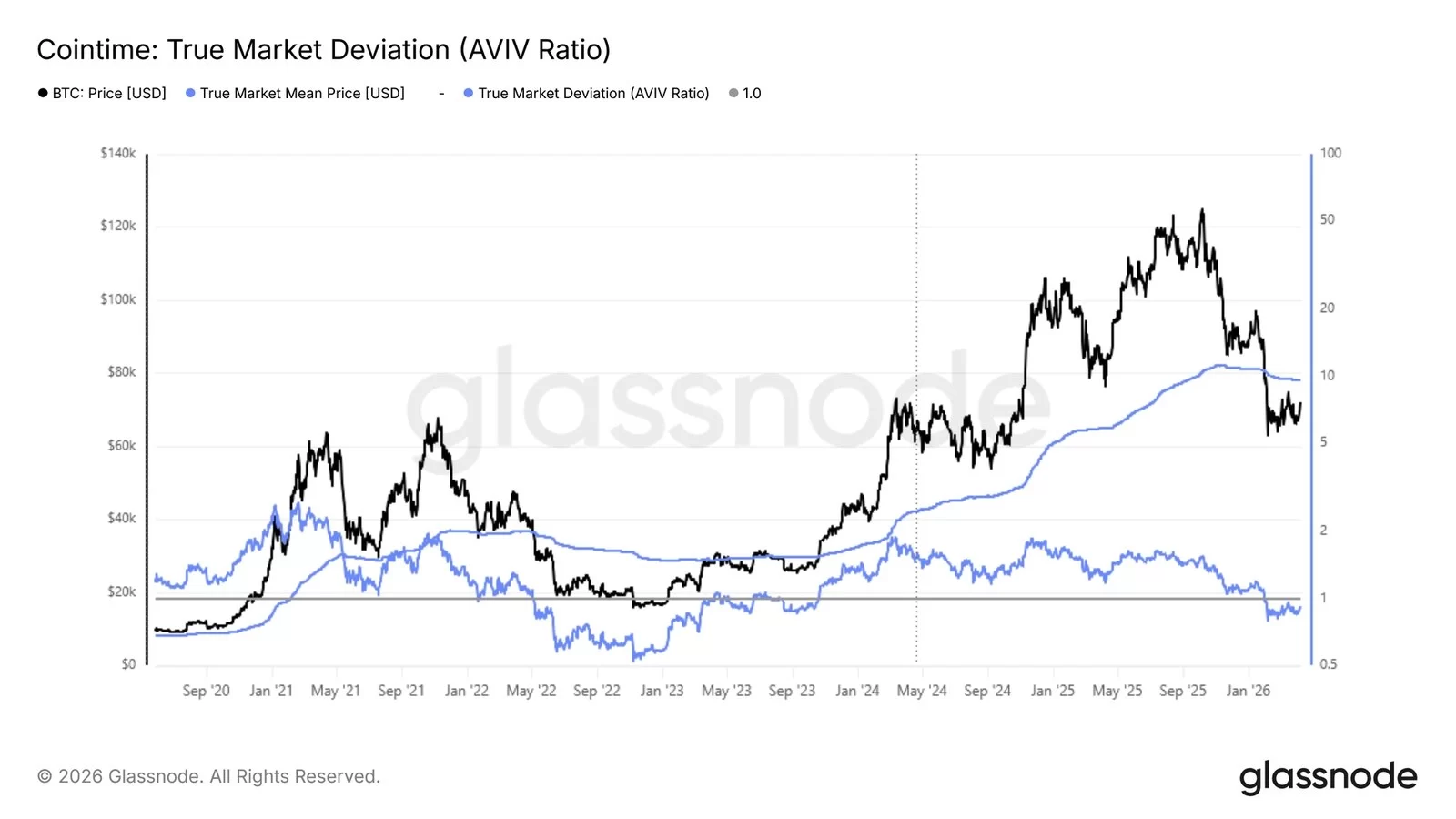
“BTC is looking better from a price perspective… but when I assess it in terms of structure, conviction is still lacking. We remain below that critical zone. The active investor value index is around 0.92, meaning most active investors are still underwater. This is important, since moves upward in this environment tend to meet supply rather than fuel rally momentum. It reminds me somewhat of mid-2022,” Kyle explained.
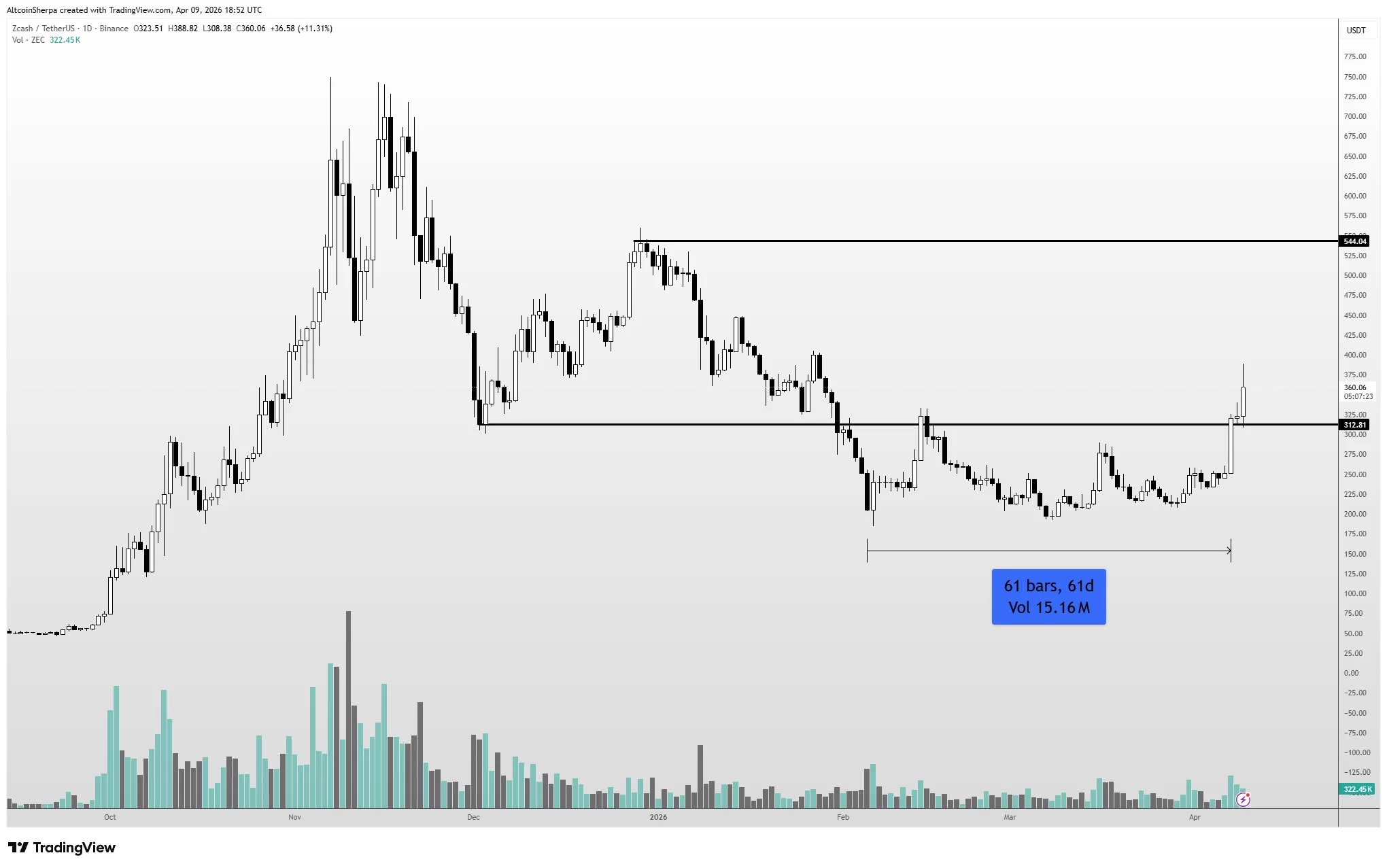
Another analyst known as Sherpa suggested that, should Bitcoin maintain its current trajectory, ZEC Coin may soon climb toward the mid-$500 range. Sherpa highlighted on the charts exactly where this potential upward move could begin, signaling optimism for ZEC in the near term.