
Bitcoin has once again failed to break above the $72,000 mark, echoing a pattern seen over several months. Despite ongoing speculation about a much-hyped “supercycle,” the world’s leading cryptocurrency is sticking to its established four-year cycle. Geopolitical developments—most notably the policies associated with Donald Trump—are adding extra pressure and volatility that keeps Bitcoin locked in this familiar path.
Tariff Disputes Escalate Market Uncertainty
A decision late last week has reignited debate over tariffs that are expected to remain unresolved until at least 2025. While Trump has asserted that legal provisions still allow him to impose double-digit tariffs, the United States has refrained from signing a trade agreement with the European Union. There’s also the growing risk that China might back out of existing deals, citing changes in Supreme Court rulings. Trump has warned that any country considering such a move would face harsh new rates.
Wall Street Slide Signals Tougher Times for Crypto
As a result of these renewed trade hostilities, analysts expect the U.S. stock market to remain under pressure for months. U.S. equities reversed course, with key indexes suffering notable drops.
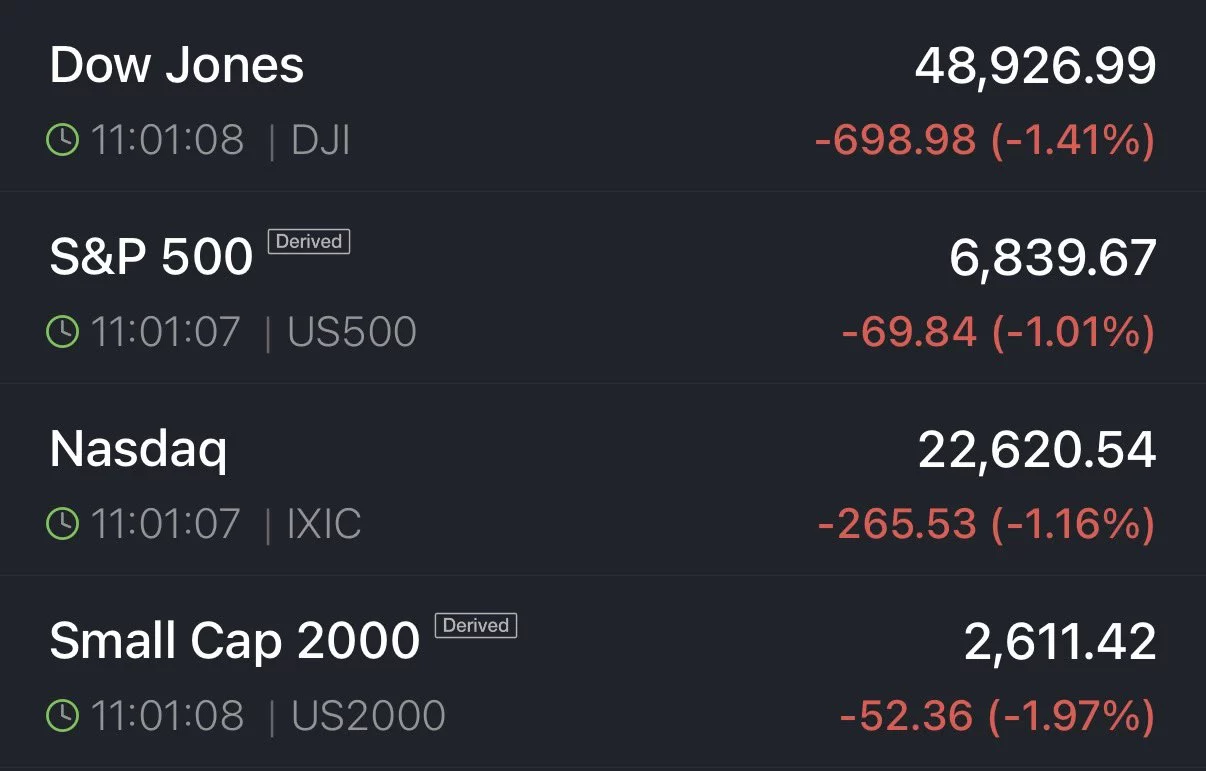
“Losses are accelerating on Wall Street, with the Dow, S&P 500, and Nasdaq 100 all down more than 1%. The volatility brought on by the trade war has returned,” TKL commented.
The turmoil on Wall Street spells further trouble for digital assets. While the major indices remain relatively close to recent highs, cryptocurrencies have absorbed the brunt of risk-off sentiment. If equities plunge further and trigger more aggressive sell-offs, Bitcoin and other cryptocurrencies could soon be retesting the lows last seen in February.
The climate is proving especially tough for crypto holders as macro and policy headwinds converge. With momentum in traditional markets flagging, confidence in digital assets continues to erode.
Ongoing Selling Pressure Pummels Crypto Markets
Geopolitical fault lines remain exposed, with U.S.-Iran tensions unresolved and trade tariff disputes heating up yet again. Despite the ongoing buzz around artificial intelligence, markets are bracing for rocky days ahead. Trump previously warned that if the Supreme Court invalidated tariffs, it would be disastrous for both the stock market and the broader economy.
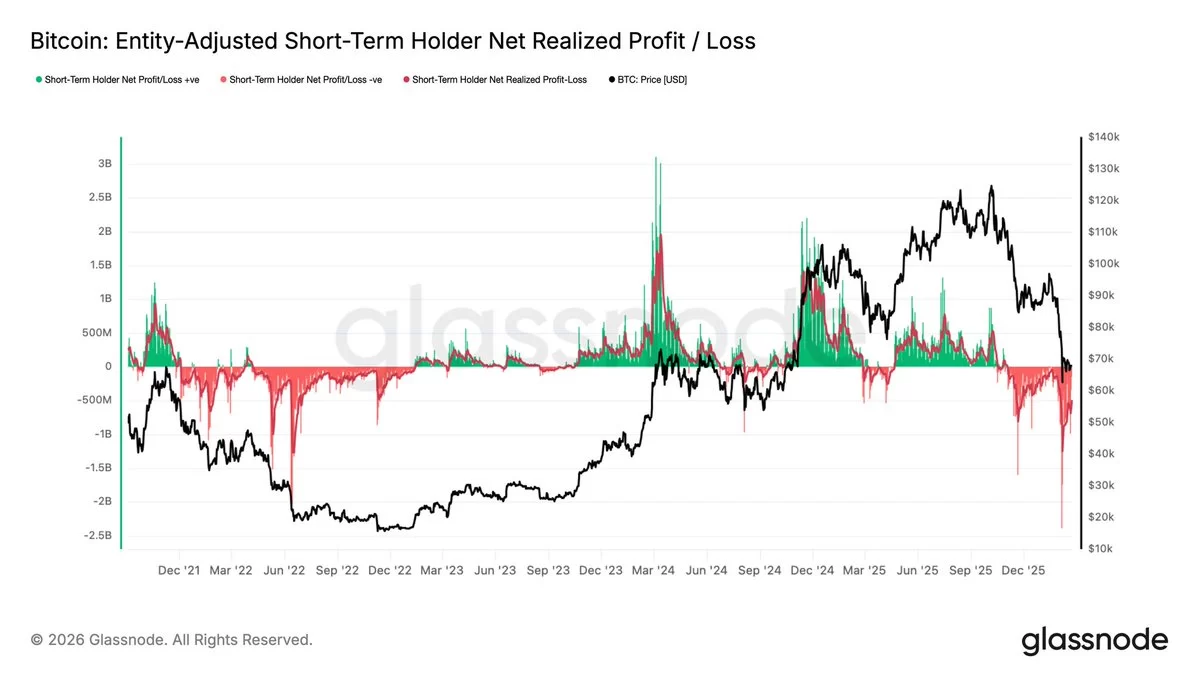
Short-term investors are increasingly realizing losses. The 7-day EMA of Net Realized Profit and Loss for crypto’s so-called “weak hands” has sunk to minus $1.24 billion per day. This selling at a loss signals deepening pessimism and sets the stage for further downside.
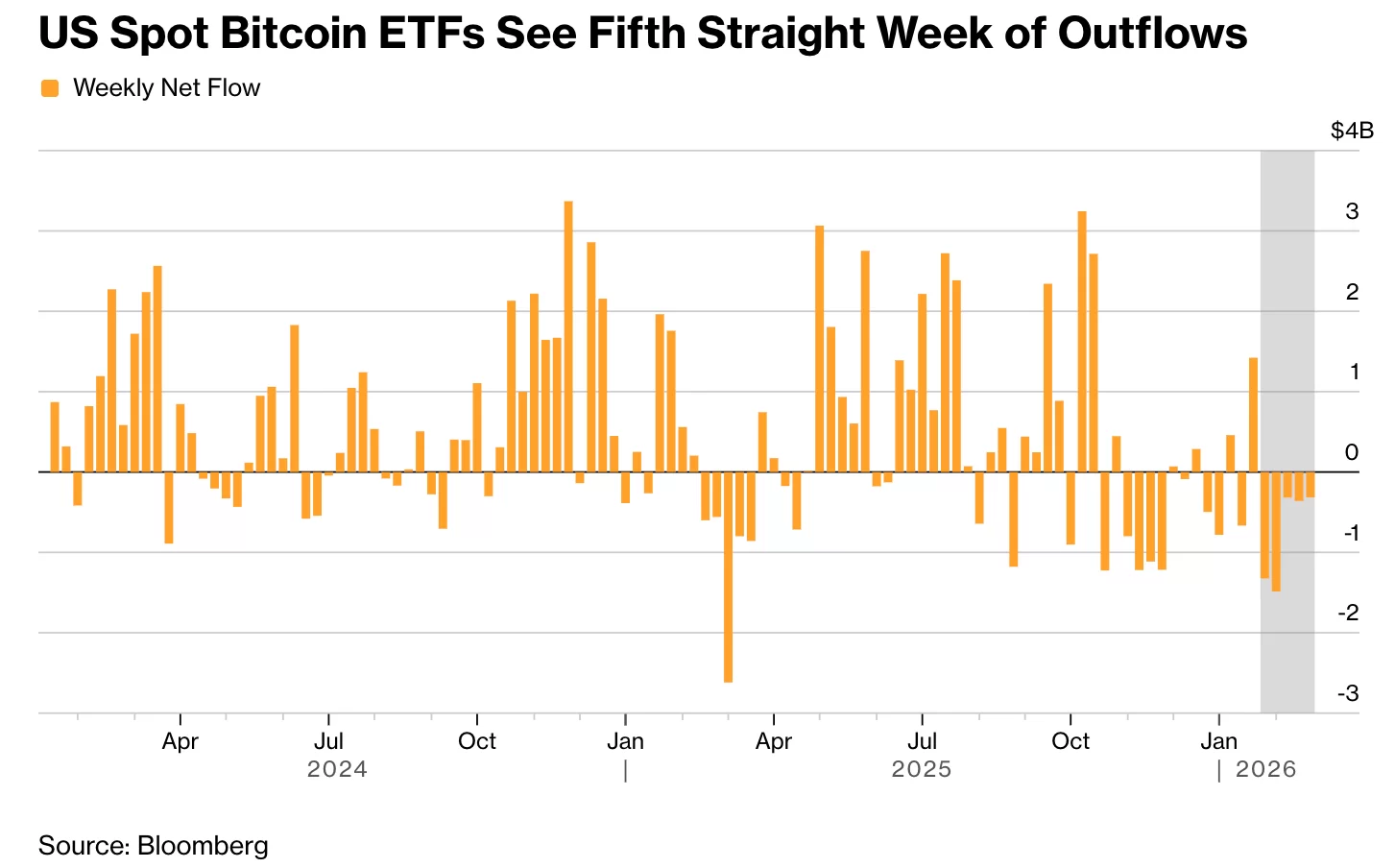
Industry watcher Nic shared a related chart and noted the following:
“Bitcoin has once again lost the $65,000 level. The latest decline, in my view, is not primarily about crypto itself. Reports of increased tariffs triggered a 4.8% drop, with prices retreating toward $64,000. Across the crypto market, roughly $100 billion was wiped out in value within 24 hours. U.S. spot Bitcoin ETFs saw capital outflows for a fifth consecutive week, with a cumulative $3.8 billion withdrawn. This wasn’t directly tied to the most recent crypto bill, although uncertainty certainly hasn’t helped. With macroeconomic jitters and negative flows draining liquidity, and as tariff headlines and ETF outflows persist, it’s prudent to keep an eye on the crucial $60,000 support level.”
The intersection of economic policy, legal uncertainty, and cautious investor sentiment is exerting pronounced downward pressure on both traditional and digital assets. As the global financial picture becomes increasingly complex, risk aversion is hitting cryptocurrencies especially hard.
With the global economy on shaky ground, crypto’s own cycles and the broader sell-off leave little room for near-term optimism. Traders may need to brace for even more volatility and potentially deeper losses as macro headwinds persist into the coming months.