FOX has reported that Trump has extended the ceasefire for only three to five days, saying it is unlikely to last longer. Meanwhile, Tasnim stated that a meeting may take place on Friday, although no decision has been made. As tensions persist in Iran, market volatility remains elevated.
BTC eyes critical resistance
At the time of writing, BTC is pushing toward the $79,000 mark, bolstered by the prospect of potential talks on Friday. Earlier, we mentioned that rising corporate earnings in the US could also lift the index. The strength of AI and related company stocks today worked in Bitcoin’s favor, potentially setting the stage for a move back toward $80,000.
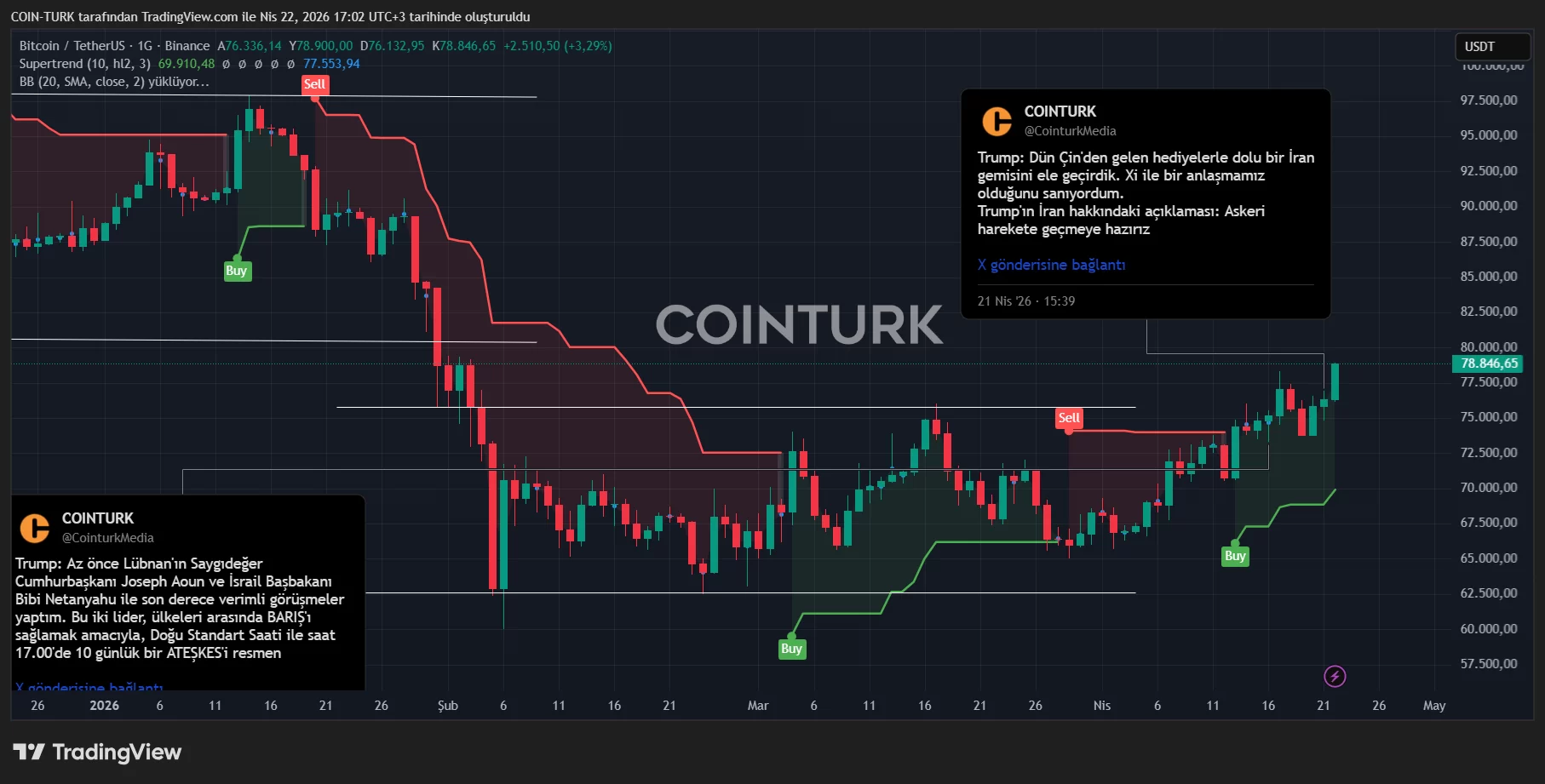
With BTC continuing to close above the $76,000 resistance, the next target is $80,400. After spending more than 70 days fluctuating within a channel, such a breakout was widely anticipated; sustained closes above resistance could signal a reversal from the recent lows. Still, the ongoing geopolitical uncertainty means the trend is far from guaranteed.
QCP Capital’s crypto assessment
QCP Capital analysts, in comments prior to BTC’s daily high, characterized the recent surge as a “relief rally,” attributing the move more to headlines than to a genuine trend reversal. Trump’s unilateral extension of the ceasefire has reduced the urgency of peace talks, while Kevin Warsh—potentially the next Fed Chair—has signaled that the Federal Reserve remains highly data-dependent, offering some hope for future rate cuts.
Nonetheless, risks persist.
“The structural backdrop remains unresolved. The blockade continues, the Strait remains effectively closed, and Iran’s position on extending the ceasefire is still unclear. With oil hovering around $100, markets are now pricing not just shock risk but also persistence. While this temporarily anchors inflation, weaker real incomes and slowing consumption are weighing on growth. As a result, the macro landscape is stuck in a narrow range: inflation is too high to permit policy easing, but growth is too weak to justify a sustained hawkish stance.”
With funding rates still negative, the latest price action has stirred more appetite for short positions rather than eliminating them. These position dynamics leave the market strategically exposed to potential short squeezes, prompting analysts to remain cautious until there is a clear shift in sentiment.
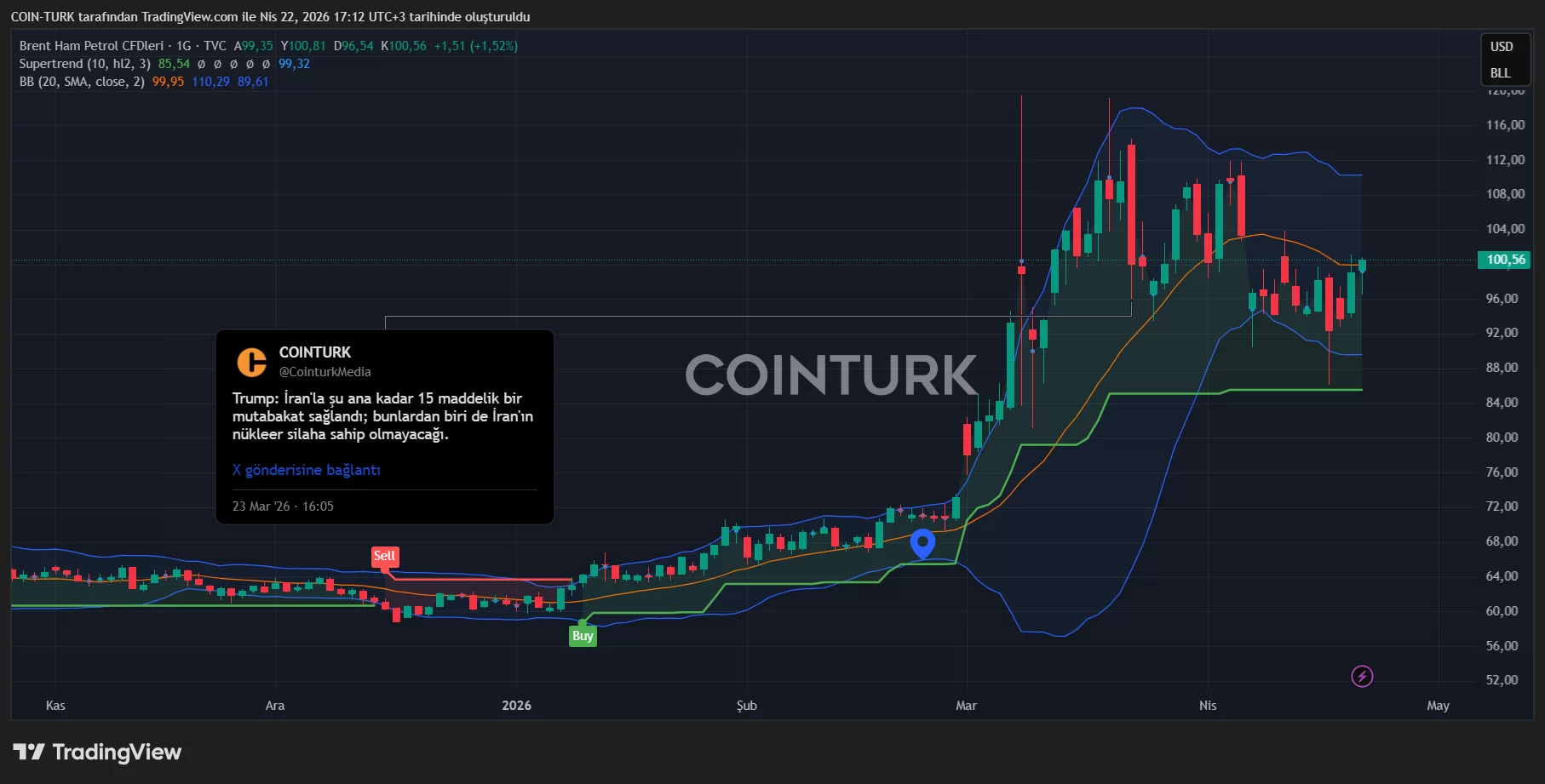
“Without a clearer pullback in oil prices, a credible roadmap for reopening the Strait of Hormuz, or softer signals on rates, the conflict premium will not disappear entirely.
Options markets are also not confirming a decisive breakout. Front-end volatilities, around 40, remain compressed relative to realized volatility, while skew has slightly increased and downside protection remains favored. The term structure is only mildly upward sloping. On the whole, derivatives markets are still pricing in consolidation instead of a prolonged trend, highlighting a lack of directional conviction among institutional participants.”