Bitcoin managed to surpass the $81,500 mark, yet geopolitical tensions around Iran remain unresolved. While the extension of a fragile ceasefire has helped reignite investor risk appetite, uncertainty still lingers. In addition, upbeat earnings reports from major tech companies provided some optimism to the markets. What do these developments mean for crypto investors, and what lies ahead?
Renewed tensions between Iran and the US
Reports yesterday of an Iranian attack on US Navy vessels briefly rattled the markets before American officials dismissed them as false. Still, the US Secretary of Defense confirmed that security monitoring continues in the strategic Strait of Hormuz. China, Iran’s most significant oil trading partner, emerges as a key player, with US officials urging Beijing to exert more diplomatic leverage. US Commerce Secretary Bessent also stressed that China should escalate diplomatic efforts to ensure the Strait of Hormuz remains open.
During a signing ceremony roughly an hour ago, former President Trump commented on the ongoing tensions:
“Things in Iran are moving very much in our favor. Despite conflict, the stock market hit record highs today. Iran’s air defenses and leadership capabilities are lacking.” — Donald Trump
Simultaneously, Iran’s President Pezeşkiyan addressed the situation with a statement shared on X (formerly Twitter):
“When politics is reduced to a scramble for power, the result is today’s world: chaos, oppression, injustice, and piracy.
In our national values and religious worldview, power without morality is an empty concept. Today, Iran stands for moral and responsible leadership, while our enemies represent reckless and unchecked force.” — President Pezeşkiyan
Interest rate uncertainty looms
While the European Central Bank (ECB) and others have started to cut rates, Fed Chair Powell has been reluctant to follow suit. After pausing delayed rate cuts in January, Powell has resisted any reductions ahead of his term’s end, which is just ten days away. As he prepares to pass the baton to his successor Warsh, markets are speculating that the new Fed chair may end quantitative easing and possibly introduce cuts.
Today, Villeroy of the ECB indicated that markets must remain alert to secondary inflationary effects and suggested that rates may actually need to rise. If the ECB hikes rates while the Fed moves in the opposite direction, financial markets face a difficult balancing act.
“If the ECB sees secondary effects, it will raise rates. However, I do not yet see sufficient indicators for another hike.” — François Villeroy de Galhau, ECB
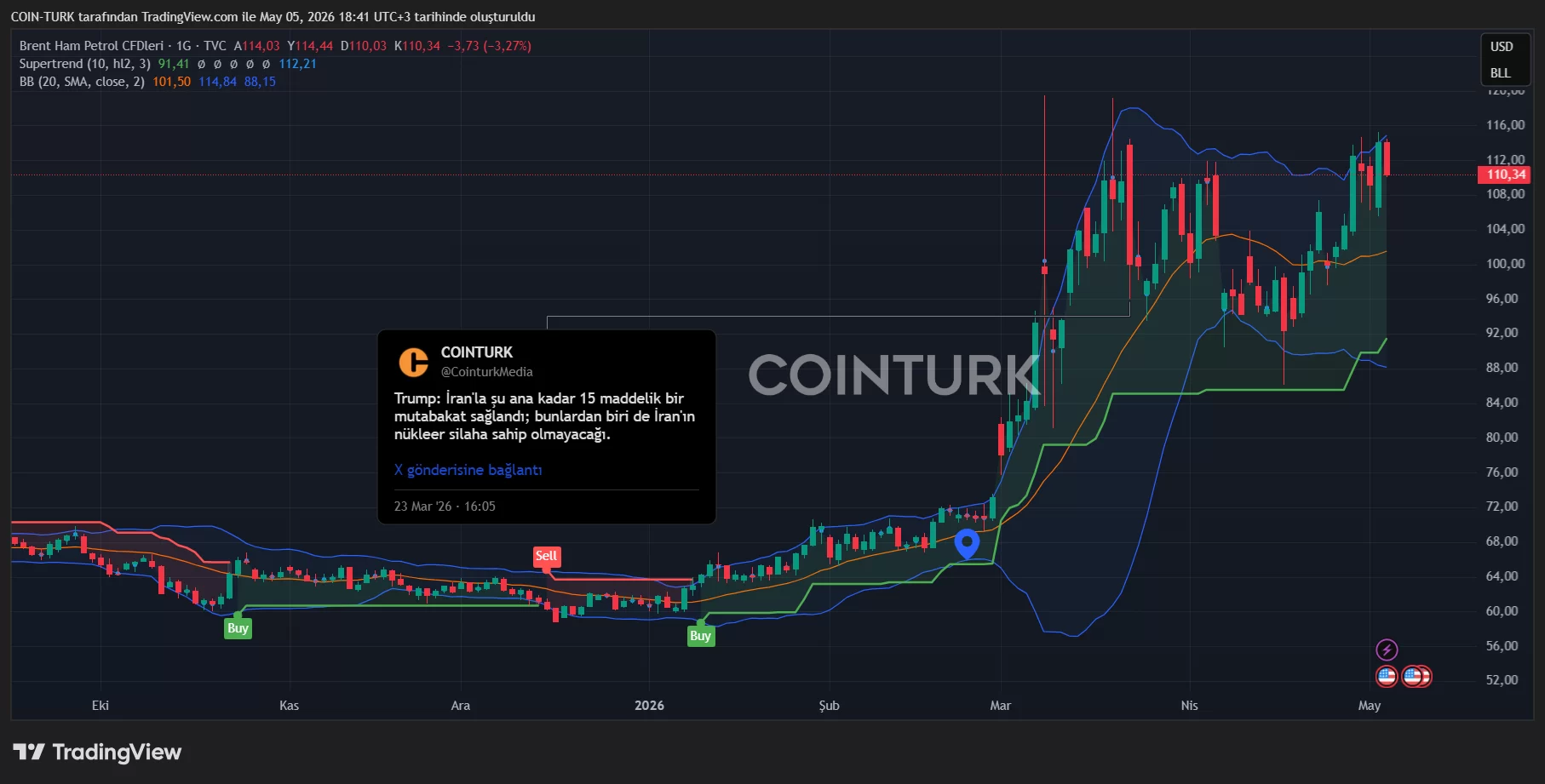
Although oil prices have pulled back slightly, they remain well above $110 per barrel. In order to avoid or curb these secondary effects on inflation, the ideal price point is closer to $75. As this standoff enters its second month, soaring energy prices have already made a significant impact on annual inflation figures.