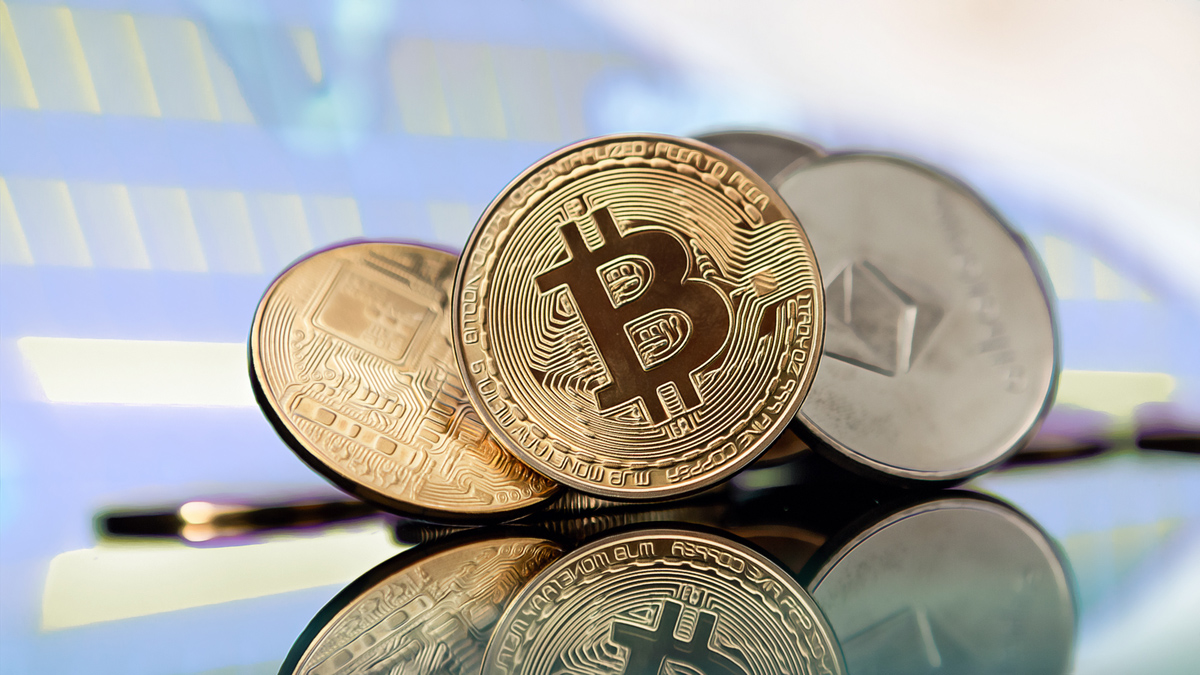
Bitcoin  $77,112, despite recent stagnation in its price movement, is viewed as entering a pivotal phase in its evolution. As interest grows among institutions, the cryptocurrency is drawing comparisons to tech giants like Facebook after going public. This developing narrative positions Bitcoin as not just a digital asset, but a credible investment opportunity for major financial players. The implications of this shift are profound, highlighting Bitcoin’s established place in the financial world.
Is Bitcoin Experiencing a “Silent IPO”?
Matt Hougan, Chief Investment Officer at Bitwise, reports that Bitcoin is undergoing a “silent IPO.” This concept captures the transition taking place as early retail investors sell off their holdings while institutional investors allocate funds into Bitcoin. Both selling by insiders and purchases by big institutions shape this cycle, similar to classic Initial Public Offerings (IPOs) seen by tech companies.
“The process of insiders selling and institutions buying takes time,” noted Hougan. “Only after that transition has hit a certain balance can the stock resume its upward march.”
What Does Institutional Investment Mean for Bitcoin?
Institutional investments are regarded as a positive long-term indicator for Bitcoin. Hougan believes this dynamic could lead Bitcoin to follow a trajectory akin to Facebook’s, which saw substantial gains after initial stagnation post-IPO. He believes that Bitcoin’s perceived stability is already attracting notable interest from significant economic players.
“Going forward, we’re unlikely to see 100x returns in a single year,” said Hougan. “But there is still massive upside once the distribution phase is complete.”
As Bitcoin transitions through this institutional phase, Hougan forecasts significant price stability and predicts growth. Experts at Bitwise anticipate Bitcoin reaching exceptional price levels by 2035, reflecting broader market acceptance and adoption.
Is Lower Volatility Making Bitcoin Safer?
With Bitcoin’s volatility decreasing over time, it is attracting safety-seeking investors. Hougan seizes this opportunity to emphasize Bitcoin as a less risky investment as it matures, pointing to the reduced volatility as a key factor that strengthens its appeal to institutional financiers.
The ongoing re-allocation signals a shift in how Bitcoin is perceived within financial circles. This transition underlines a broader narrative of Bitcoin establishing its footing among seasoned institutional investors, paving the way for potential mainstream adoption and significant value appraisal.
This analysis of Bitcoin’s current market situation sheds light on the noteworthy trend of institutional adoption, suggesting the cryptocurrency is well-poised for future advancements in both value and market position.